Comparing Hybrid Solar Inverters: Traditional vs. Modern Innovations from China
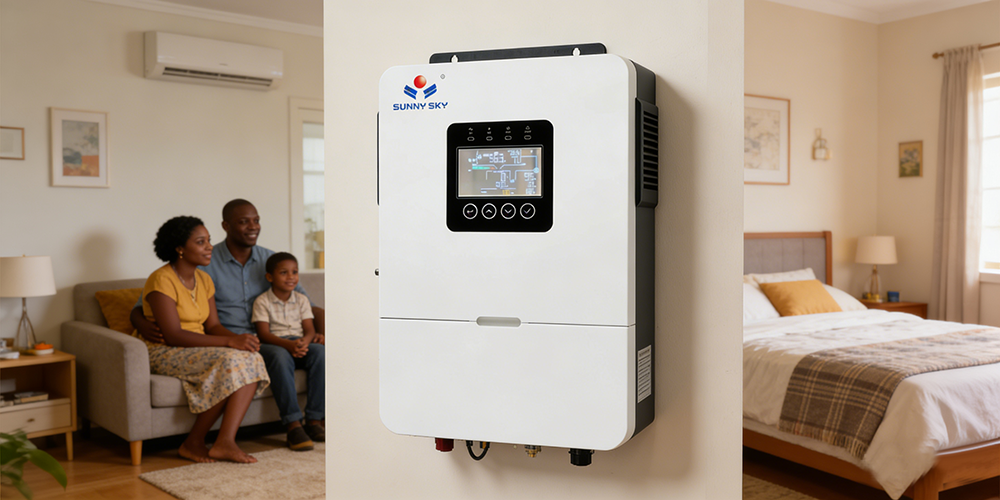
In the evolving world of renewable energy, the hybrid solar inverter stands out as a pivotal technology for integrating solar power with traditional grid systems. This device not only converts solar energy into usable electricity but also manages battery storage and grid interaction efficiently. As homeowners and businesses seek sustainable solutions, comparing traditional inverters with advanced hybrid models reveals significant advantages in performance, cost, and environmental impact. Leading providers like Guangzhou Tianyuan Solar Equipment CO.,LTD, with their SUNNYSKY brand, exemplify how hybrid solar inverter technology is transforming energy management.
Traditional Solar Inverters: Reliability with Limitations
Traditional solar inverters, often grid-tied models, excel in basic solar-to-AC conversion but fall short in flexibility compared to hybrid solar inverter options. These inverters prioritize direct grid feed-in, making them suitable for sunny regions where excess power can be sold back. However, they lack built-in battery compatibility, meaning they shut down during outages, leaving users without power at critical times. In contrast, hybrid solar inverters from China solar inverter manufacturers offer seamless switching between solar, battery, and grid sources, ensuring uninterrupted supply. For instance, while a standard inverter might achieve 95% efficiency in ideal conditions, it doesn't optimize for off-grid scenarios, leading to higher long-term costs from wasted energy. Guangzhou inverter companies, such as those specializing in solar power inverter China, highlight this gap by emphasizing multi-mode operations that adapt to varying loads, a feature absent in older designs.
Hybrid Solar Inverters: Advanced Features and Efficiency Gains
The best hybrid solar inverter China produces, like the SUNNYSKY model from Guangzhou Tianyuan Solar Equipment CO.,LTD, incorporate cutting-edge hybrid inverter technology that outpaces traditional counterparts in versatility and smart controls. Unlike basic inverters, hybrid versions feature real-time monitoring via intuitive displays, tracking solar generation, battery levels, and grid usage with precision. This allows for dynamic energy allocation, reducing reliance on fossil fuels and lowering bills by up to 50% in variable weather. High efficiency solar inverters in this category boast conversion rates exceeding 98%, compared to 90-95% for traditional ones, minimizing losses and enhancing ROI. Solar energy solutions China provides through suppliers in Guangzhou further differentiate by integrating user-friendly touch interfaces and durable, wall-mounted designs that withstand harsh conditions—ideal for homes in diverse climates. In comparison, traditional inverters often require additional equipment for battery support, inflating installation costs and complexity.
Guangzhou's Role in Solar Innovation: Suppliers and Global Reach
Guangzhou solar power systems and solar inverter suppliers Guangzhou are at the forefront of this shift, with companies like ours driving the adoption of high efficiency solar inverters through independent R&D and patented tech. Our SUNNYSKY hybrid solar inverter, for example, contrasts sharply with conventional models by offering compact, reliable performance that reaches over 50 countries, recognized for stability and design excellence. While traditional inverters might suffice for simple setups, hybrid options from Guangzhou inverter companies provide scalable solutions for expanding solar needs, from residential to commercial. This is evident in their ability to handle peak loads without efficiency drops, unlike older systems that strain under high demand. Solar power inverter China innovations also prioritize sustainability, helping reduce carbon emissions—a key contrast to grid-dependent traditional inverters that don't store excess energy. At Guangzhou Tianyuan Solar Equipment CO.,LTD, we're committed to delivering reliable, innovative green energy, inviting global clients to our factory just 20 minutes from Baiyun International Airport for a firsthand look. By choosing the best hybrid solar inverter China has to offer, users gain not just power, but a pathway to energy independence and cost savings that traditional setups simply can't match.
In summary, the hybrid solar inverter's superior integration and efficiency make it a clear winner over traditional models, especially when sourced from trusted China solar inverter manufacturers. Embracing these advancements aligns with a greener future, backed by the expertise of Guangzhou's solar pioneers.