

Understanding Hybrid Solar Inverters vs. Traditional Inverters
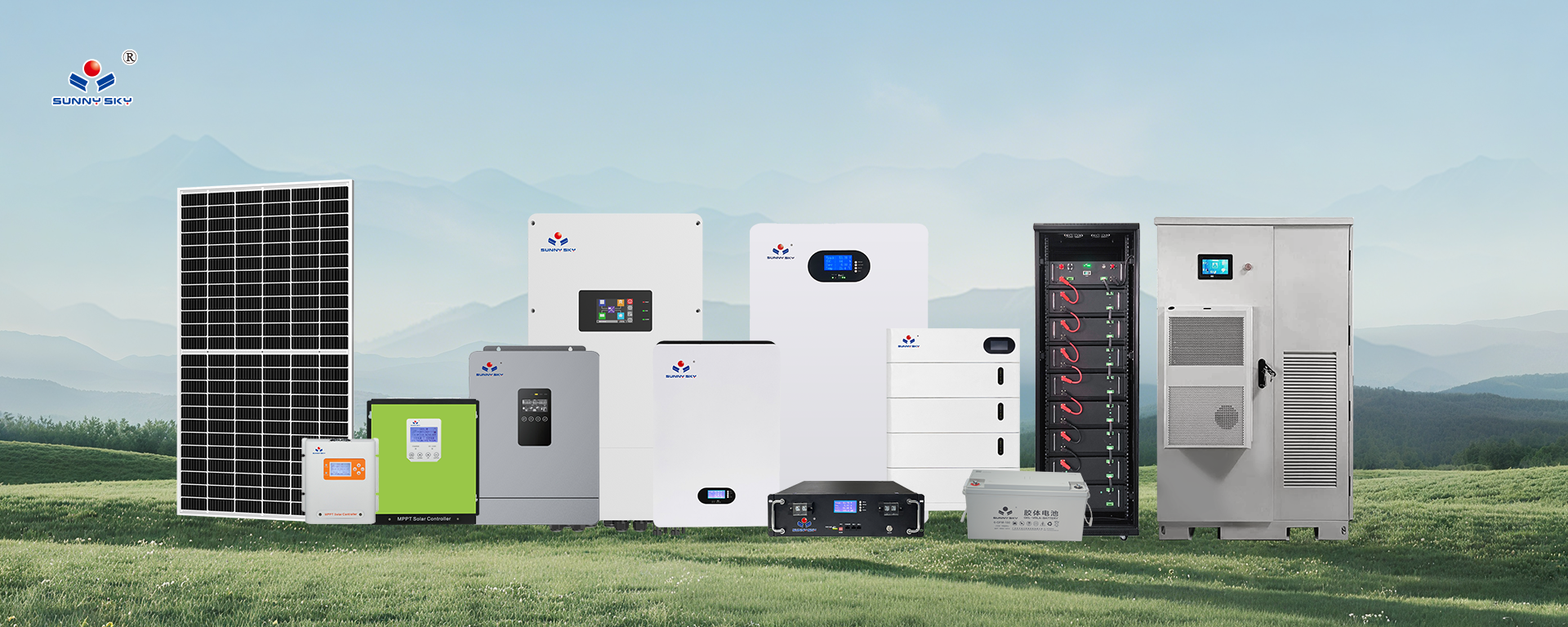
In the evolving world of solar energy solutions, the hybrid solar inverter stands out as a versatile powerhouse. Unlike traditional inverters that solely convert DC power from solar panels to AC for home use, hybrid models integrate seamlessly with both solar inputs and the electrical grid. This comparison highlights how hybrid solar inverters offer superior flexibility, allowing homeowners to store excess energy in batteries for later use, a feature absent in standard setups. While conventional inverters depend entirely on sunlight and grid backup during outages, hybrid systems ensure uninterrupted power, making them ideal for modern households seeking reliability.
Key Benefits: Hybrid Inverter Benefits Compared to Conventional Systems
When evaluating hybrid inverter benefits against those of non-hybrid alternatives, the advantages become clear. Traditional inverters often lead to higher electricity bills during peak hours since they can't optimize energy from multiple sources. In contrast, a hybrid solar inverter like the 6KW model from Sunny Sky efficiently blends solar energy with grid power, reducing reliance on utilities and potentially slashing costs by up to 50%. Moreover, hybrid systems support battery storage, enabling energy independence during blackouts, whereas standard inverters fail in such scenarios. This contrast underscores the long-term savings and environmental impact of hybrids, contributing to sustainable living without compromising on power quality.
Installation Insights: Hybrid Inverter Installation vs. Basic Setups
Hybrid inverter installation differs significantly from installing traditional solar inverters, primarily in complexity and scalability. Basic setups require straightforward wiring to panels and the grid, but they lack the battery integration that hybrids demand, often necessitating professional expertise for optimal performance. For the best hybrid solar inverter, such as Sunny Sky's 6KW unit, installation involves connecting to batteries and smart monitoring systems, which can be done in a day for residential applications. This process, though slightly more involved, pays off with enhanced efficiency—hybrids convert up to 98% of energy compared to 90-95% for traditional ones. Users report smoother setups with user-friendly controls on hybrid models, minimizing downtime versus the rigid configurations of older inverters.
Pricing and Value: Hybrid Inverter Price in Perspective
Assessing hybrid inverter price reveals a compelling value proposition when contrasted with traditional options. Entry-level standard inverters might cost $1,000-$2,000, but they offer limited functionality, often requiring separate components for battery support, driving up total expenses. A quality hybrid solar inverter, priced around $1,500-$3,000 for a 6KW capacity, includes built-in grid-tie and off-grid capabilities, providing better ROI over time. For those looking to buy hybrid solar inverter, models like Sunny Sky's deliver features such as an LCD display for real-time monitoring and durable construction, justifying the premium. In comparison, the initial outlay for hybrids is offset by lower operational costs and incentives like tax credits for solar energy solutions.
Technology and Reviews: Solar Inverter Technology Evolution
Solar inverter technology has advanced dramatically, with hybrid solar inverter reviews praising innovations over outdated designs. Traditional inverters use basic MPPT tracking, but hybrids incorporate AI-driven optimization for maximum yield from variable weather conditions. Reviewing the best hybrid solar inverter, users highlight Sunny Sky's 6KW model's intuitive interface and robust 6KW capacity, scoring high for reliability in both residential and small commercial hybrid solar system setups. In contrast, legacy systems suffer from inefficiency in partial shade, while hybrids maintain output through superior algorithms. This technological edge makes hybrids the preferred choice for forward-thinking buyers, as evidenced by positive feedback on energy savings and ease of use.
Overall, choosing a hybrid solar inverter over traditional alternatives means embracing a more intelligent, resilient path to solar adoption. With features tailored for the future, these systems not only outperform in efficiency but also align with global shifts toward renewable energy.




