tianyuansolar@gmail.com

Harnessing Solar Energy: Innovations in Residential and Commercial Systems

  • Learning center
Posted by SUNNYSKY On Oct 09 2025

The Rising Trends in Solar Energy


Solar energy is rapidly transforming the global energy landscape, emerging as a cornerstone of sustainable development. As the world grapples with climate change and the need for cleaner alternatives, this renewable resource is at the forefront of innovation. Recent trends show a surge in adoption, driven by advancements in technology and increasing awareness of environmental impacts. For instance, photovoltaic systems are becoming more efficient, making solar energy accessible for both everyday use and large-scale applications. This shift not only reduces dependency on fossil fuels but also aligns with broader efforts to achieve carbon neutrality by 2050.
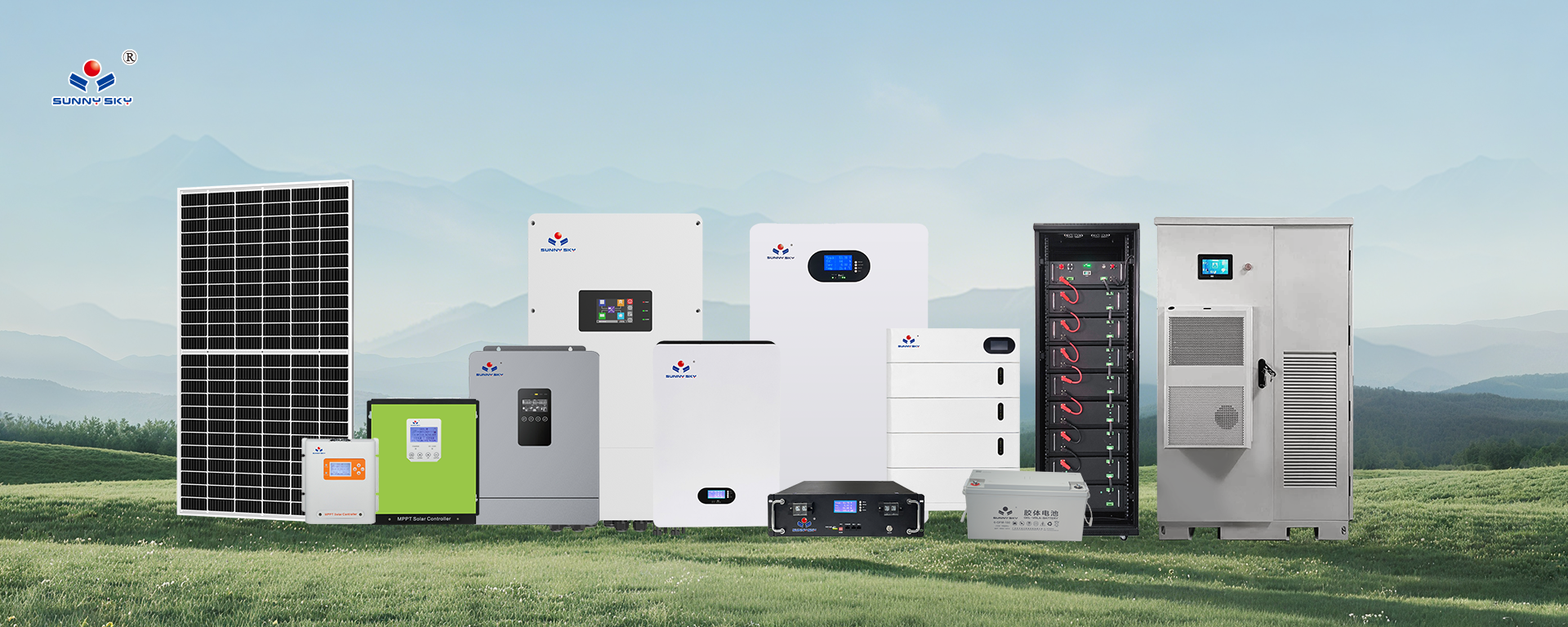
solar energy, residential solar systems, commercial solar power, solar power cost, solar battery storage, photovoltaic systems

Trends in Residential Solar Systems and Energy Efficiency


Residential solar systems are witnessing a significant uptick as homeowners seek to lower their carbon footprints and energy bills. This trend is fueled by falling solar power costs, which have dropped by over 80% in the past decade, making installations more affordable for families. Solar energy efficiency has improved through better panel designs and integration with smart home technologies, allowing users to optimize energy usage. According to industry reports, residential solar systems now account for a large portion of new renewable energy solutions, with off-grid solar systems gaining popularity in remote areas. This development not only enhances energy independence but also promotes photovoltaic systems that can store excess power for later use, such as through solar battery storage.

Commercial Solar Power and Future Innovations


In the commercial sector, solar energy is driving trends toward corporate sustainability, with businesses adopting commercial solar power to meet regulatory requirements and enhance their brand image. This includes large-scale installations like the Tianyuan Solar Power Project, which exemplifies how solar energy systems can be scaled for industrial use while maintaining high efficiency. Trends indicate that renewable energy solutions, including solar battery storage, are key to managing peak demand and ensuring reliable power supply. As off-grid solar systems become more viable, companies are exploring ways to integrate them with existing infrastructure, reducing operational costs and environmental impact. Looking ahead, the evolution of solar energy will likely focus on innovations that make systems more adaptable, supporting a greener economy and addressing challenges like energy storage and grid integration.

The Economic and Environmental Impact of Solar Trends


The economic aspects of solar energy trends are particularly compelling, as solar power cost continues to decline due to technological advancements and economies of scale. This affordability is accelerating the adoption of photovoltaic systems in both residential and commercial settings, with renewable energy solutions projected to dominate the market by 2030. Environmentally, solar energy systems are playing a crucial role in mitigating climate change by cutting emissions and fostering sustainable practices. For example, solar battery storage is enabling better management of intermittent energy sources, making off-grid solar systems a practical choice for diverse applications. As these trends evolve, they underscore the importance of solar energy efficiency in building a resilient and eco-friendly future, ultimately positioning it as a vital tool for global energy security.


Recommended Products

Featured Blogs

Tag:

  • Learning center
Share On
Featured Blogs
Solar System Acceptance Checklist: 10 Key Points for Beginners

Solar System Acceptance Checklist: 10 Key Points for Beginners

1. Visual Inspection: Flat board surface without cracks / Anti-corrosion treatment of bracket / Screws tightened without loosening. 2. DC Side: MC4 connector tightened and waterproof / Cables protected by conduit / Sufficient slack for easy maintenance. 3. AC Side: Independent circuit breaker + leakage protection / Bidirectional energy meter replaced / Terminal blocks tightened. 4. Grounding: Inverter casing / bracket / Grounding wire specification ≥ 4mm² continuous without joints. 5. Inverter: Normal grid connection and startup / Normal parameter display / Switching to off-grid mode within 20ms. 6. Monitoring: Successful APP binding / Data consistent with screen / Obstruction test alarm normal.

Can old and new batteries be mixed? Precautions for parallel expansion of energy storage systems (Introduction)

Can old and new batteries be mixed? Precautions for parallel expansion of energy storage systems (Introduction)

1. Risks of Mixed Use: Internal resistance mismatch leading to uneven current distribution, BMS protocol incompatibility, and wasted capacity. 2. Expansion Methods: New battery of the same model/BMS master-slave mode/Independent system/Complete replacement 3. Operation Steps: Confirm inverter support → Individual activation test of new battery → Power off and connect → Debugging and monitoring 4. Common Problems: New battery overheating/System alarm mismatch/Incomplete charging/Discharging/Efficiency reduction 5. Solutions: Reduce load, update firmware, recalibrate BMS, set new battery to charge-only mode 6. Conclusion: Mixed use is generally not recommended. The optimal solution is to expand capacity using the same model, with an independent system as the second choice.

Can a cracked solar panel still be used? A detailed explanation of four levels of damage.

Can a cracked solar panel still be used? A detailed explanation of four levels of damage.

1. Causes of cracks: Hail impact, thermal stress, installation pressure, handling bumps, aging. 2. Four-step assessment: Check crack location/shape/whether it is expanding/whether it affects power generation. 3. Level 1: Minor: Fine scratches/hairline cracks, impact <5%, no treatment required, continue use. 4. Level 2: Moderate: Obvious cracks that do not penetrate, impact 5%-15%, requires continuous observation. 5. Level 3: Severe: Through-crack/glass shattered, impact 15%-50%, must be replaced. 6. Level 4: Completely broken/frame detached, immediately disconnect power and replace.

Can solar energy systems still be used during consecutive rainy days? Energy storage configuration guide.

Can solar energy systems still be used during consecutive rainy days? Energy storage configuration guide.

1. Impact on power generation: Power generation drops to 10%-30% of sunny days on cloudy days, and only 1/5 of sunny days after a week of cloudy/rainy weather. 2. Three-stage effect: Daytime charging and discharging → Nighttime battery power supply → Battery depletion during continuous cloudy days. 3. Range reference: 10 kWh battery lasts 1-7 days, 20 kWh lasts 2-14 days, 30 kWh lasts 3-21 days. 4. Configuration recommendation: Designed to last at least three days, with a power rating slightly higher than the inverter. 5. Practical tips: Use high-power appliances during the day, pay attention to weather forecasts and plan ahead. 6. Extreme solution: A hybrid of photovoltaic + energy storage + diesel generation, suitable for "uninterrupted power" needs.

tianyuansolar@gmail.com
+86-13711660041
+8613711660041
WhatsApp :WhatsApp QR Code


