Are you tired of rising electricity bills and the uncertainty of an unstable power grid? For many homeowners and businesses, managing energy costs while ensuring a reliable power supply has become a significant challenge. The desire for a more sustainable, eco-friendly lifestyle further complicates the energy puzzle. The solution lies in gaining control over your power generation and consumption, and a modern hybrid inverter is the key technology to unlock that independence, offering a seamless and intelligent way to manage your energy resources.
A hybrid solar inverter is a sophisticated device at the heart of a modern energy system. Unlike traditional inverters that only convert DC power from solar panels to usable AC power, a hybrid model does much more. This advanced hybrid inverter technology is designed to intelligently manage power from three sources: your solar panels, a battery storage system, and the utility grid. It acts as a central energy hub, deciding in real-time whether to use solar power to run your appliances, charge your batteries for later use, or send excess power back to the grid, giving you unprecedented control and efficiency.
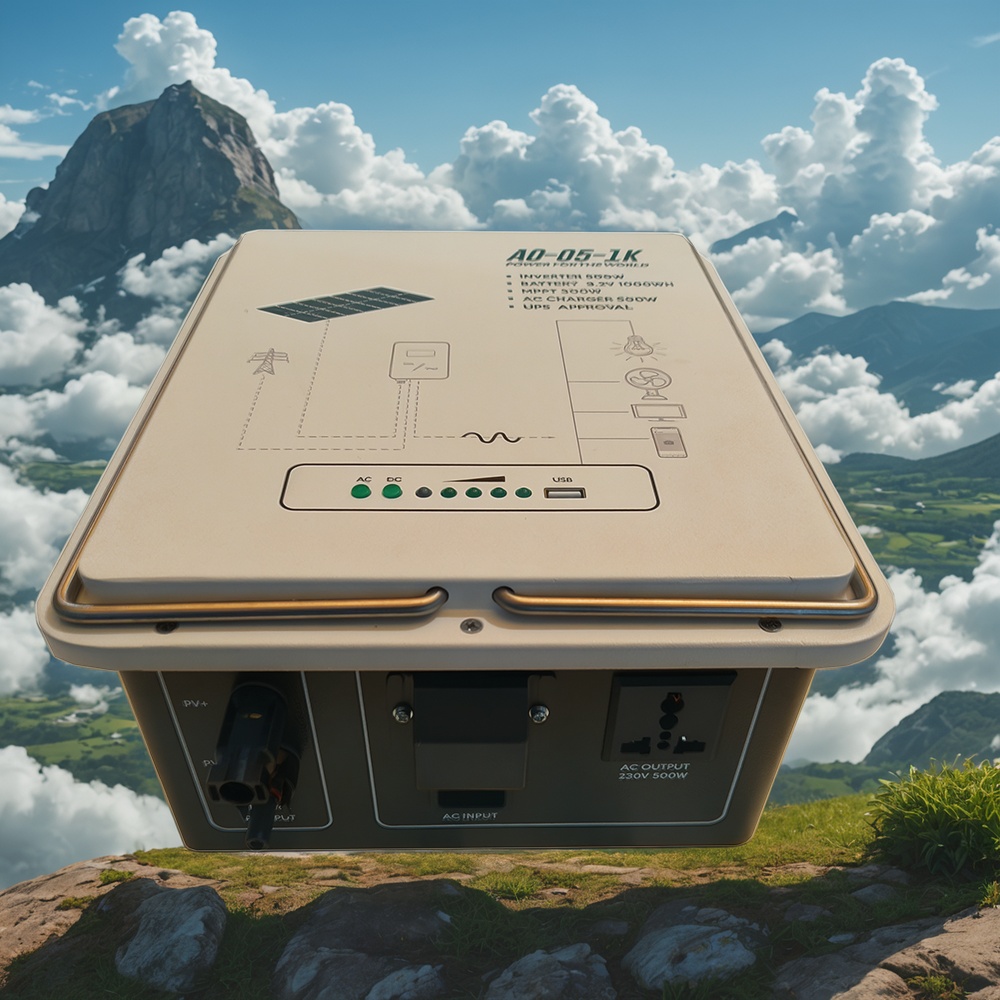
One of the greatest advantages of hybrid inverter systems is their incredible versatility. They provide a perfect solution for those who want to remain connected to the grid but also have a reliable backup during outages. In this setup, the system prioritizes solar power, using battery storage when the sun isn't shining, and only draws from the grid as a last resort. For those seeking complete energy independence, an off grid hybrid inverter is the ideal choice. It allows you to build a self-sufficient system capable of powering your entire property without any reliance on the utility company, making it perfect for remote locations or anyone wanting total energy freedom.
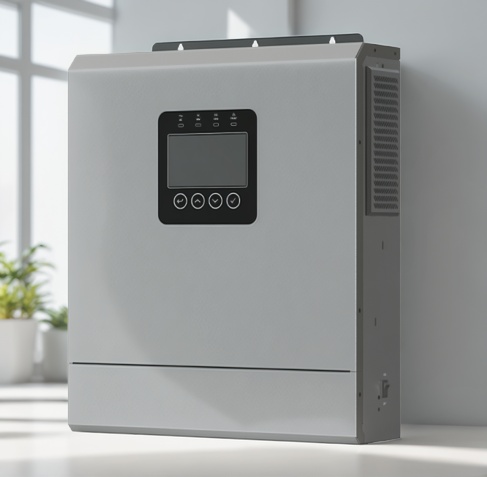
With many options on the market, finding the best hybrid inverter requires looking at a few key features. When reading hybrid inverter reviews, pay attention to the output type; a pure sine wave output is essential for protecting sensitive electronics. Look for advanced Maximum Power Point Tracking (MPPT) technology, which maximizes the energy harvested from your solar panels. An intelligent battery management system is also crucial for extending the life of your batteries. Modern units often feature intuitive LCD touch displays, making it easy to monitor performance and adjust settings. Finally, consider the capacity, like a robust 6KW model, to ensure it can handle your energy demands.
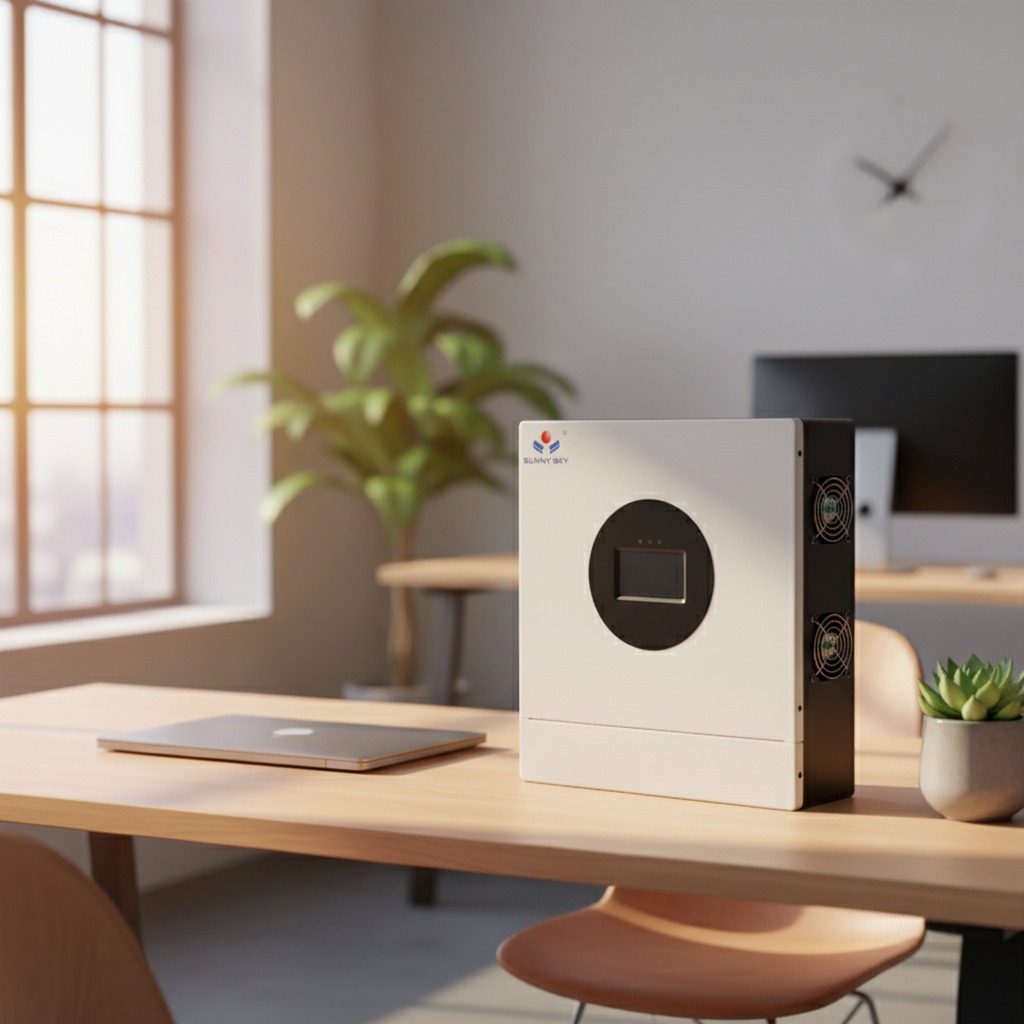
Years ago, setting up a comprehensive solar energy system could be a complex undertaking. However, leading hybrid inverter manufacturers have focused on creating products that are both powerful and user-friendly. Sleek, streamlined designs make hybrid inverter installation more straightforward, whether in a garage or a dedicated utility room. Once installed, the management of these sophisticated systems is simplified through user-friendly interfaces. This allows you to effortlessly track your energy production, consumption, and battery status, turning complex energy management into a simple, hassle-free experience.
A solar hybrid inverter is more than just a piece of equipment; it's a long-term investment in your financial and environmental well-being. By maximizing your use of clean, renewable solar energy, these systems significantly reduce your reliance on fossil fuels and lower your carbon footprint. Over time, the savings on your electricity bills can be substantial, providing a strong return on your investment. Choosing a reliable system equipped with multiple safety protections, such as over-voltage and overload protection, ensures your home and investment are secure for years to come, paving the way for a more sustainable and energy-independent future.
Understanding Hybrid Inverter Technology
A hybrid solar inverter is a sophisticated device at the heart of a modern energy system. Unlike traditional inverters that only convert DC power from solar panels to usable AC power, a hybrid model does much more. This advanced hybrid inverter technology is designed to intelligently manage power from three sources: your solar panels, a battery storage system, and the utility grid. It acts as a central energy hub, deciding in real-time whether to use solar power to run your appliances, charge your batteries for later use, or send excess power back to the grid, giving you unprecedented control and efficiency.
The Ultimate in Energy Flexibility
One of the greatest advantages of hybrid inverter systems is their incredible versatility. They provide a perfect solution for those who want to remain connected to the grid but also have a reliable backup during outages. In this setup, the system prioritizes solar power, using battery storage when the sun isn't shining, and only draws from the grid as a last resort. For those seeking complete energy independence, an off grid hybrid inverter is the ideal choice. It allows you to build a self-sufficient system capable of powering your entire property without any reliance on the utility company, making it perfect for remote locations or anyone wanting total energy freedom.
Choosing the Best Hybrid Inverter for Your Needs
With many options on the market, finding the best hybrid inverter requires looking at a few key features. When reading hybrid inverter reviews, pay attention to the output type; a pure sine wave output is essential for protecting sensitive electronics. Look for advanced Maximum Power Point Tracking (MPPT) technology, which maximizes the energy harvested from your solar panels. An intelligent battery management system is also crucial for extending the life of your batteries. Modern units often feature intuitive LCD touch displays, making it easy to monitor performance and adjust settings. Finally, consider the capacity, like a robust 6KW model, to ensure it can handle your energy demands.
Simplifying Hybrid Inverter Installation and Management
Years ago, setting up a comprehensive solar energy system could be a complex undertaking. However, leading hybrid inverter manufacturers have focused on creating products that are both powerful and user-friendly. Sleek, streamlined designs make hybrid inverter installation more straightforward, whether in a garage or a dedicated utility room. Once installed, the management of these sophisticated systems is simplified through user-friendly interfaces. This allows you to effortlessly track your energy production, consumption, and battery status, turning complex energy management into a simple, hassle-free experience.
A Smart Investment for a Greener Future
A solar hybrid inverter is more than just a piece of equipment; it's a long-term investment in your financial and environmental well-being. By maximizing your use of clean, renewable solar energy, these systems significantly reduce your reliance on fossil fuels and lower your carbon footprint. Over time, the savings on your electricity bills can be substantial, providing a strong return on your investment. Choosing a reliable system equipped with multiple safety protections, such as over-voltage and overload protection, ensures your home and investment are secure for years to come, paving the way for a more sustainable and energy-independent future.