Are you tired of unpredictable electricity bills and the uncertainty of grid power? For many homeowners and businesses, the quest for energy independence and sustainability feels like a constant challenge. The solution lies in smarter energy management, and at the heart of this revolution is the modern hybrid inverter. This single device offers a powerful answer to rising energy costs and the desire for a greener footprint, seamlessly blending renewable energy with reliable power storage.
A hybrid solar inverter is the brain of a modern energy system, intelligently managing power from multiple sources. Unlike traditional inverters that only convert DC power from solar panels to usable AC power for your home, a hybrid model does much more. It directs excess solar energy to charge a battery bank, pulls power from those batteries when sunlight is low, and can still draw from or feed back to the main grid when necessary. This creates highly efficient hybrid inverter systems that maximize your use of free solar energy, ensuring you have power day and night, even during an outage. This advanced capability makes it a superior choice for anyone looking to build a resilient energy solution.
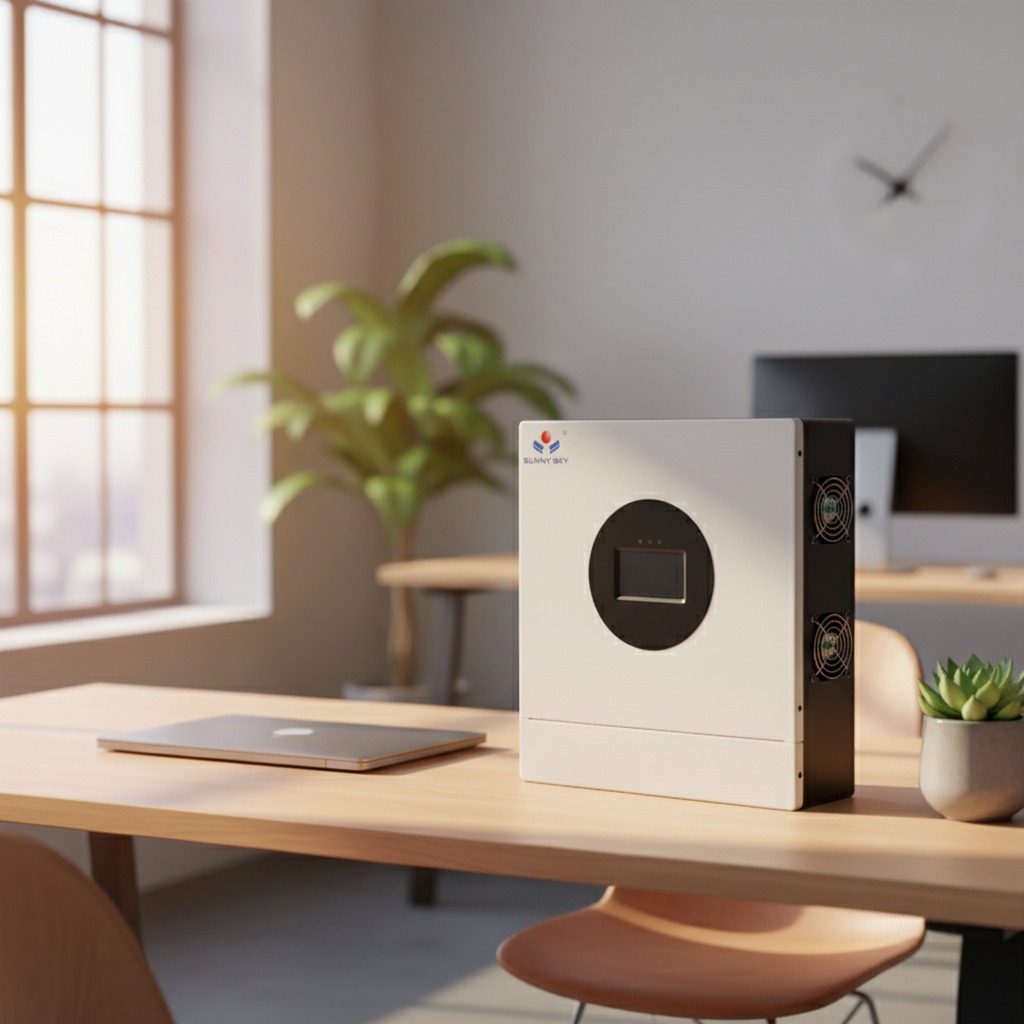
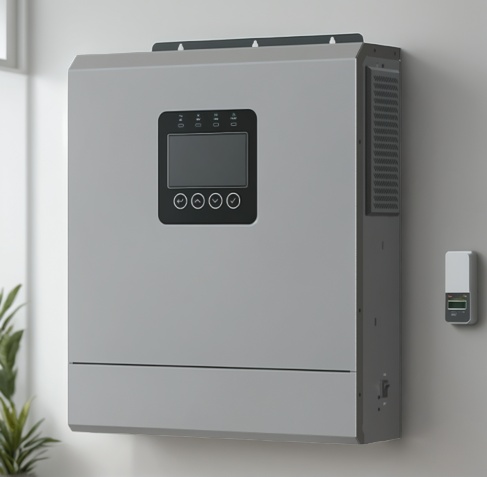
When searching for the best hybrid inverter, it’s crucial to look beyond basic specifications. Top-tier models, like the cutting-edge 6KW Hybrid Inverter, combine performance with user-centric design. This particular unit features a sophisticated matte finish and a robust build, ensuring it not only looks great but is also built to last. A key feature often highlighted in positive hybrid inverter reviews is an intuitive user interface. This inverter excels with its clear LCD touch interface and simple controls, allowing you to effortlessly monitor energy flow and system status. This commitment to quality and usability is a hallmark of leading hybrid inverter manufacturers who prioritize both function and form.
One of the biggest concerns for homeowners is the complexity of new technology. However, the best solar hybrid inverter solutions are designed for straightforward integration. The 6KW model emphasizes a convenient and adaptable hybrid inverter installation process, allowing it to be wall-mounted or fit into existing setups with ease. At its core, advanced hybrid inverter technology works to make your life simpler. It intelligently switches between solar, battery, and grid power without any manual intervention, ensuring optimal efficiency. Whether you need a reliable backup or want to operate independently as an off grid hybrid inverter, this smart management ensures you always have the power you need while minimizing your reliance on the grid and lowering your energy bills.
Choosing to install a powerful and intelligent inverter is more than just a home upgrade; it’s a significant step towards a sustainable and energy-independent future. By prioritizing the use of renewable solar power and storing it for later, you drastically reduce your carbon footprint and gain protection from fluctuating energy prices. The 6KW Hybrid Inverter exemplifies this investment, blending cutting-edge technology with unparalleled design to help you create a greener, smarter, and more resilient home. It’s a forward-thinking choice that delivers tangible benefits today and for years to come.
What is a Hybrid Solar Inverter and How Does it Work?
A hybrid solar inverter is the brain of a modern energy system, intelligently managing power from multiple sources. Unlike traditional inverters that only convert DC power from solar panels to usable AC power for your home, a hybrid model does much more. It directs excess solar energy to charge a battery bank, pulls power from those batteries when sunlight is low, and can still draw from or feed back to the main grid when necessary. This creates highly efficient hybrid inverter systems that maximize your use of free solar energy, ensuring you have power day and night, even during an outage. This advanced capability makes it a superior choice for anyone looking to build a resilient energy solution.
Identifying the Best Hybrid Inverter for Your Home
When searching for the best hybrid inverter, it’s crucial to look beyond basic specifications. Top-tier models, like the cutting-edge 6KW Hybrid Inverter, combine performance with user-centric design. This particular unit features a sophisticated matte finish and a robust build, ensuring it not only looks great but is also built to last. A key feature often highlighted in positive hybrid inverter reviews is an intuitive user interface. This inverter excels with its clear LCD touch interface and simple controls, allowing you to effortlessly monitor energy flow and system status. This commitment to quality and usability is a hallmark of leading hybrid inverter manufacturers who prioritize both function and form.
Effortless Installation and Advanced Technology
One of the biggest concerns for homeowners is the complexity of new technology. However, the best solar hybrid inverter solutions are designed for straightforward integration. The 6KW model emphasizes a convenient and adaptable hybrid inverter installation process, allowing it to be wall-mounted or fit into existing setups with ease. At its core, advanced hybrid inverter technology works to make your life simpler. It intelligently switches between solar, battery, and grid power without any manual intervention, ensuring optimal efficiency. Whether you need a reliable backup or want to operate independently as an off grid hybrid inverter, this smart management ensures you always have the power you need while minimizing your reliance on the grid and lowering your energy bills.
Your Investment in a Sustainable Future
Choosing to install a powerful and intelligent inverter is more than just a home upgrade; it’s a significant step towards a sustainable and energy-independent future. By prioritizing the use of renewable solar power and storing it for later, you drastically reduce your carbon footprint and gain protection from fluctuating energy prices. The 6KW Hybrid Inverter exemplifies this investment, blending cutting-edge technology with unparalleled design to help you create a greener, smarter, and more resilient home. It’s a forward-thinking choice that delivers tangible benefits today and for years to come.