

Unlocking Reliable Power: Overcoming Challenges with the 12KW Split-Phase Solar Inverter
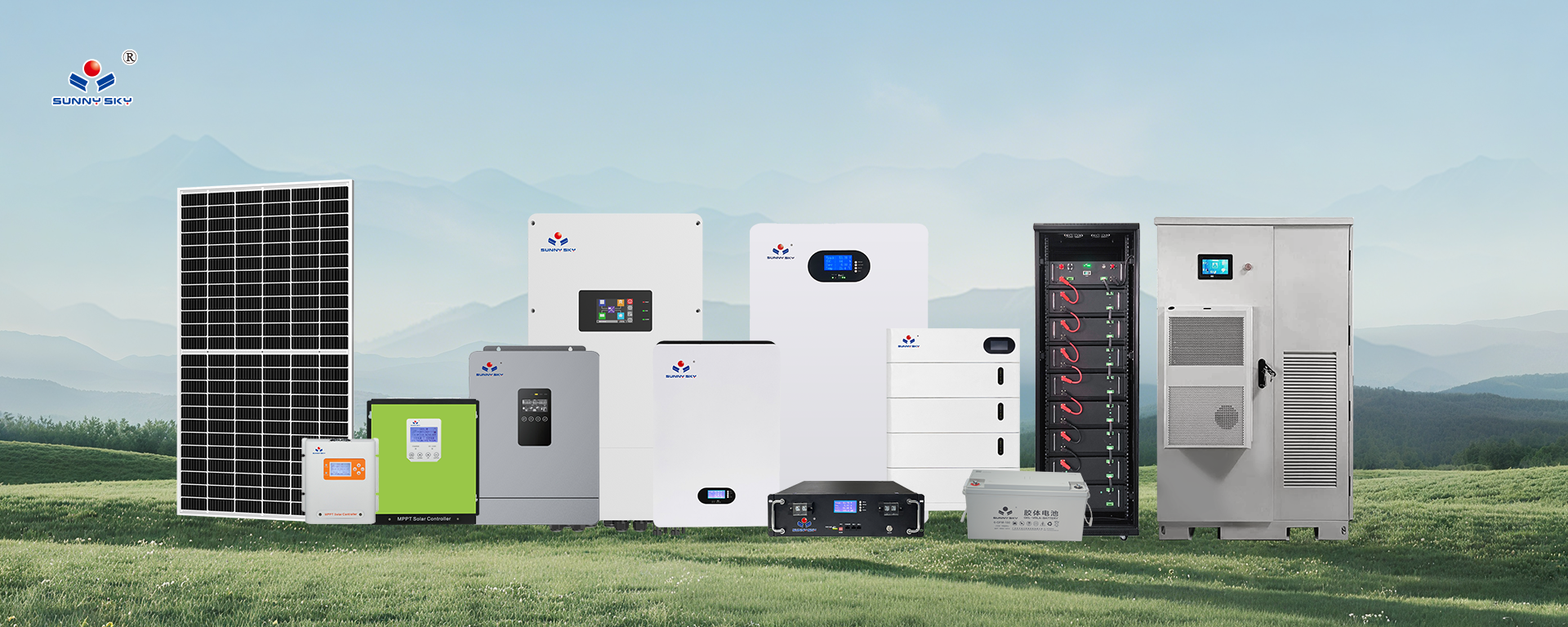
In the quest for sustainable energy, many homeowners and businesses face the challenge of inconsistent power supply from traditional grids, especially in areas prone to outages or high electricity costs. The 12KW Split-Phase Solar Inverter emerges as a game-changing solution, designed to harness solar energy efficiently while providing stable, split-phase output for modern households and commercial setups. This high-capacity inverter addresses the core issues of energy reliability and efficiency, ensuring that your solar investment delivers maximum returns without the frustrations of underperformance or compatibility problems.
The Problem: Inefficiencies and Limitations in Standard Solar Setups
Traditional solar inverters often struggle with delivering consistent power in split-phase systems, which are essential for powering standard 120V/240V AC Output appliances in homes and businesses. For residential solar energy systems, fluctuating voltages can lead to equipment damage or reduced efficiency, while commercial solar solutions demand robust handling of higher loads without compromising on Solar Inverter Efficiency. Many users encounter issues like overheating, complex installations, and limited scalability, making it difficult to transition to reliable Home Solar Inverters or Business Solar Inverters. The 48V Solar Inverter configurations in older models frequently fall short for larger applications, resulting in energy wastage and higher operational costs. These pain points not only increase expenses but also hinder the adoption of eco-friendly power sources, leaving users reliant on unstable grids.
The Solution: Harnessing the Power of the 12KW Split-Phase Solar Inverter
Enter the 12KW Split-Phase Solar Inverter, a pinnacle of innovation in Split Phase Solar Inverters that resolves these challenges with advanced technology and versatile design. Building on proven features like those in the Sunny Sky series—such as powerful output, advanced cooling systems, and user-friendly interfaces—this inverter scales up to 12KW capacity, making it ideal for demanding Residential Solar Energy Systems and Commercial Solar Solutions. It operates seamlessly at 48V, converting solar input into reliable 120V/240V AC Output with exceptional High Efficiency Solar Inverter performance, often exceeding 95% efficiency rates to minimize energy loss. The split-phase versatility ensures compatibility with diverse electrical setups, from household appliances to commercial machinery, eliminating the need for multiple units and simplifying installations.
For businesses, the 12KW model supports scalable operations, integrating effortlessly into existing grids to provide backup power during peaks or outages. Homeowners benefit from its durable construction and intuitive monitoring, which tracks system status in real-time, allowing for proactive adjustments. Enhanced cooling fans prevent overheating even under heavy loads, extending lifespan and reducing maintenance needs. This High Efficiency Solar Inverter not only cuts down on electricity bills but also promotes sustainability by maximizing solar panel output. Whether upgrading a current setup or starting fresh, the 12KW Split-Phase Solar Inverter transforms potential pitfalls into opportunities for energy independence.
Real-World Benefits and Long-Term Advantages
Implementing the 12KW Split-Phase Solar Inverter yields tangible results, such as reduced energy costs by up to 70% in residential settings and enhanced productivity in commercial environments through uninterrupted power. Users report seamless integration with 48V Solar Inverter batteries, ensuring stored energy is utilized optimally without degradation. The design's focus on Solar Inverter Efficiency means less waste and more savings, while the 120V/240V AC Output caters to a wide range of devices, from kitchen appliances to industrial tools. For those investing in Home Solar Inverters or Business Solar Inverters, this solution offers peace of mind with its robust build, warranting warranties up to 10 years. Beyond immediate fixes, it future-proofs your system against rising energy demands, supporting eco-conscious goals. In essence, the 12KW Split-Phase Solar Inverter isn't just a device—it's a strategic ally in overcoming solar power hurdles, delivering reliable, efficient, and scalable energy for years to come.
By addressing the common woes of inefficiency and incompatibility head-on, this inverter empowers users to embrace clean energy fully. With its blend of power, precision, and practicality, it's the ultimate choice for anyone serious about sustainable power solutions.




