

Unlocking the Power of the 12KW Split-Phase Solar Inverter: Solving Your Energy Needs
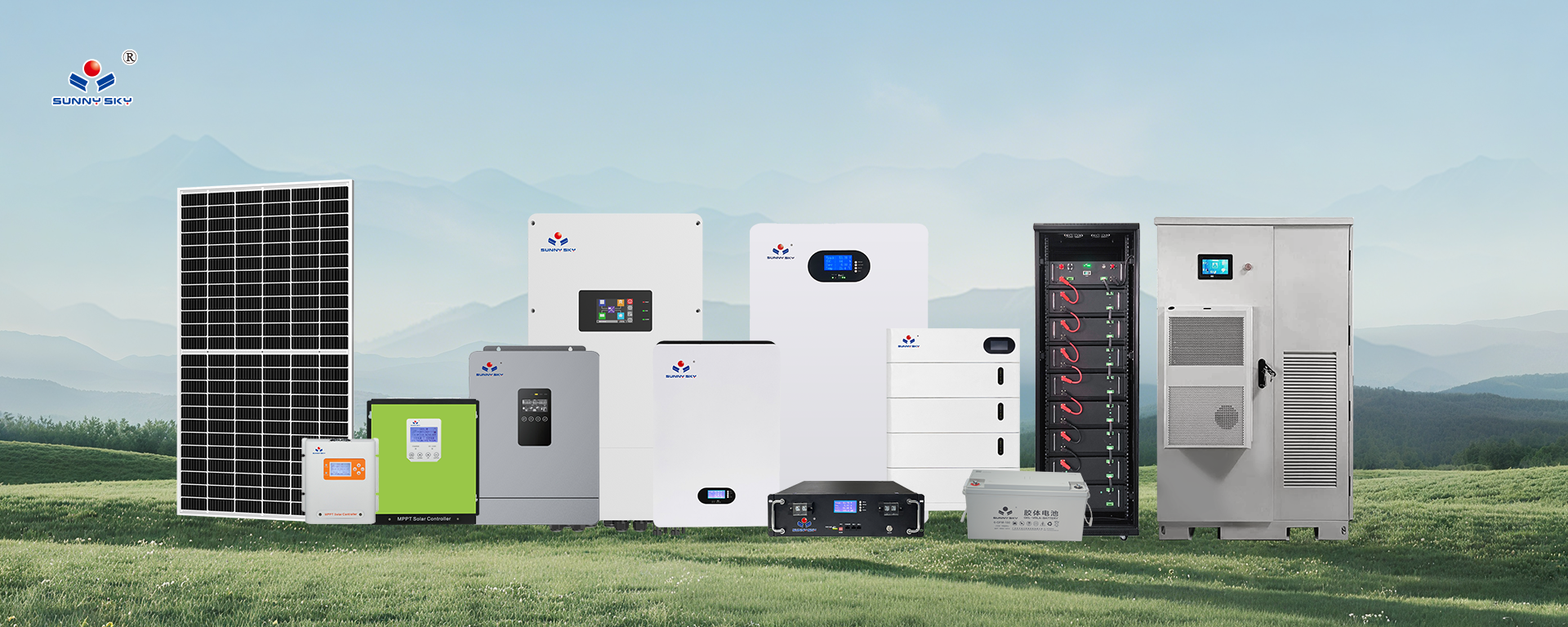
In today's world, where energy costs are soaring and sustainability is a priority, many homeowners and businesses face the challenge of unreliable power supply and high electricity bills. The 12KW Split-Phase Solar Inverter emerges as a game-changer, addressing these issues head-on by providing robust, efficient solar energy conversion for residential and commercial setups. This powerful device, operating on a 48V system, ensures seamless integration into your solar infrastructure, delivering the reliable power you need without the headaches of frequent outages or escalating expenses.
The Problems with Traditional Energy Systems and How Split Phase Solar Inverters Help
Traditional grid-dependent systems often leave users vulnerable to blackouts, fluctuating energy prices, and environmental concerns from fossil fuels. For homes and businesses requiring balanced power distribution, standard inverters fall short, leading to inefficient energy use and compatibility issues with appliances needing 120V/240V AC output. Split Phase Solar Inverters, like the 12KW model, solve this by offering dual-phase output that matches standard household wiring, ensuring all your devices run smoothly. Whether you're powering a family home or a small office, this inverter eliminates the frustration of mismatched voltages and underperforming systems, providing a stable 120V/240V AC output that supports everything from lights to heavy machinery.
Moreover, inefficiency in energy conversion can waste up to 20-30% of your solar potential, translating to lost savings. High Efficiency Solar Inverters tackle this by boasting conversion rates often exceeding 95%, maximizing the energy harvested from your panels. For residential solar energy systems, this means more power for daily needs and fewer worries about peak-hour demands. Businesses, too, benefit from business solar inverters that scale up without compromising performance, turning potential downtime into productive uptime.
Overcoming Scalability and Durability Challenges with 48V Solar Inverters
Scaling solar setups for larger demands, such as commercial solar solutions, often involves complex installations and overheating risks, especially in hot climates. A 48V Solar Inverter like the 12KW Split-Phase model addresses these pain points with its robust build and advanced cooling mechanisms, such as side-mounted fans that keep temperatures in check during heavy loads. This prevents efficiency drops and extends the lifespan of your system, solving the common issue of premature wear in home solar inverters.
Installation hurdles are another barrier, but the user-friendly design of these inverters simplifies the process. With intuitive displays for real-time monitoring, you can track performance metrics like input voltage and output load effortlessly. For those upgrading to commercial applications, the flexibility of split-phase capability allows easy expansion, supporting multiple circuits without rewiring your entire setup. This not only reduces costs but also future-proofs your energy system against growing demands.
Realizing Savings and Sustainability with High Efficiency Solar Inverters
The ultimate goal for any solar adopter is cost reduction and eco-friendliness, yet many struggle with inverters that don't deliver on promised returns. The 12KW Split-Phase Solar Inverter counters this by optimizing solar inverter efficiency, ensuring every watt from your panels contributes to tangible savings—often paying for itself in just a few years through lower utility bills. In residential solar energy systems, this translates to energy independence, powering air conditioners, refrigerators, and EVs without grid reliance.
For businesses, commercial solar solutions powered by such inverters mean uninterrupted operations and a greener brand image. The high efficiency solar inverter's ability to handle 48V inputs and produce clean 120V/240V AC output minimizes harmonic distortions, protecting sensitive electronics and reducing maintenance needs. Imagine a setup where your solar investment not only cuts operational costs by 50% or more but also aligns with global sustainability goals, reducing your carbon footprint significantly.
By choosing a 12KW Split-Phase Solar Inverter, you're not just solving immediate energy problems; you're building a resilient, future-ready system. This inverter's blend of power, efficiency, and versatility makes it indispensable for anyone serious about solar. With features inspired by top-tier models like the Sunny Sky series, it offers durability, style, and performance that elevate your entire setup. Embrace this solution today and step into a brighter, more efficient tomorrow—your energy challenges are about to become a thing of the past.




