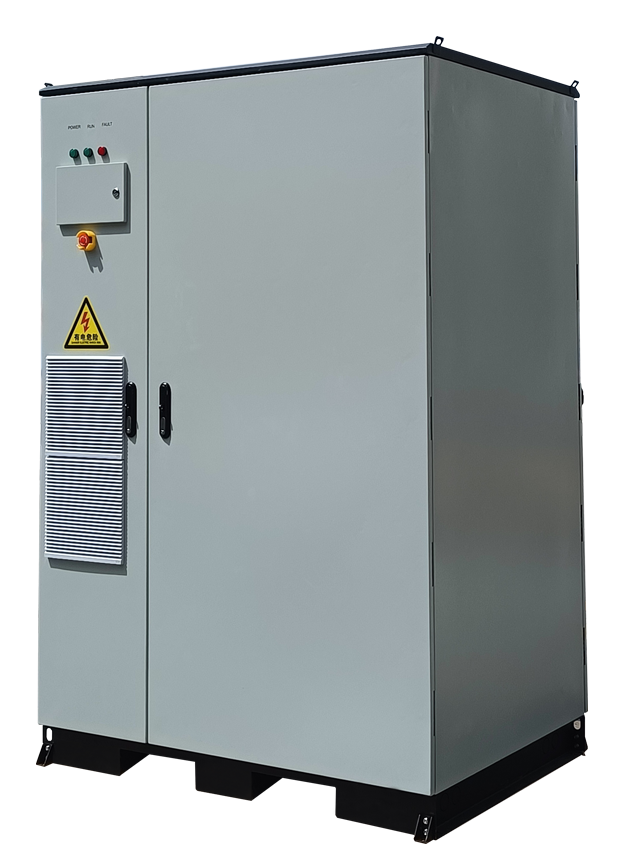
The landscape of residential power is undergoing a significant transformation, moving away from complete grid dependency towards self-sufficiency. At the forefront of this evolution is the advanced 51.2V lithium battery, a cornerstone technology for modern home energy storage. For years, the options for storing energy at home were limited and often inefficient. However, the advent of high-capacity lithium-ion solutions has revolutionized how we think about power, offering a glimpse into a more sustainable and reliable energy future.
The journey of solar energy storage began with bulky and high-maintenance lead-acid batteries. While they served their purpose, their drawbacks were significant. Lead-acid batteries have a shorter lifespan, lower energy density (meaning they are heavier and larger for the same capacity), and require regular maintenance like checking water levels. In stark contrast, a modern solar battery system equipped with lithium-ion technology offers a superior alternative. These systems are compact, lightweight, and boast a much longer cycle life, often lasting more than a decade with minimal to no maintenance. This leap in technology makes solar energy storage a far more practical and cost-effective solution for the average homeowner, turning the concept of a residential lithium battery from a niche product into a mainstream essential.
Not all lithium-ion batteries are created equal. Within the lithium family, various chemistries exist, each with its own set of pros and cons. While chemistries like Nickel Manganese Cobalt (NMC) are common in electric vehicles due to their high energy density, Lithium Iron Phosphate (LiFePO4) has emerged as the clear winner for stationary applications like a solar power system battery. The primary advantage of LiFePO4 is its exceptional safety profile. It is far less prone to thermal runaway than other lithium chemistries, making it a much safer choice for installation inside a home. Furthermore, a LiFePO4-based lithium ion battery for solar boasts an incredibly long cycle life, capable of thousands of charge and discharge cycles while retaining a high percentage of its original capacity. This durability ensures a lower total cost of ownership over the battery's lifespan compared to alternatives that may degrade more quickly.
When planning an energy storage solution, homeowners face a choice: build a system from individual components or opt for an integrated unit. While a component-based approach offers flexibility, it can be complex, requiring careful matching of inverters, charge controllers, and batteries. An integrated solution, such as a 350AH wall-mounted battery, simplifies this process immensely. These power wall lithium battery units are designed as a complete package, with the battery, an intelligent Battery Management System (BMS), and often the inverter housed in a single, sleek enclosure. This not only ensures all components work together seamlessly but also results in a cleaner, more professional installation. The built-in BMS is crucial, as it protects the battery from overcharging, deep discharging, and extreme temperatures, thereby maximizing both safety and longevity, a feature that can be challenging to configure correctly in a piecemeal system.
In comparing the available energy storage technologies, the advantages of a modern LiFePO4-based solar storage battery are undeniable. They surpass older lead-acid technologies in every significant metric, including efficiency, lifespan, safety, and convenience. Furthermore, when compared to other lithium chemistries, LiFePO4 stands out as the most stable and durable option for home applications. By choosing a well-designed, integrated system, homeowners can easily and safely achieve greater energy independence, reduce their reliance on the grid, and secure a reliable power source for years to come. The choice is clear: for a robust, long-lasting, and safe energy solution, the advanced 51.2V lithium battery is the definitive standard.
Traditional vs. Modern Solar Battery Systems
The journey of solar energy storage began with bulky and high-maintenance lead-acid batteries. While they served their purpose, their drawbacks were significant. Lead-acid batteries have a shorter lifespan, lower energy density (meaning they are heavier and larger for the same capacity), and require regular maintenance like checking water levels. In stark contrast, a modern solar battery system equipped with lithium-ion technology offers a superior alternative. These systems are compact, lightweight, and boast a much longer cycle life, often lasting more than a decade with minimal to no maintenance. This leap in technology makes solar energy storage a far more practical and cost-effective solution for the average homeowner, turning the concept of a residential lithium battery from a niche product into a mainstream essential.
LiFePO4: The Superior Choice for Safety and Longevity
Not all lithium-ion batteries are created equal. Within the lithium family, various chemistries exist, each with its own set of pros and cons. While chemistries like Nickel Manganese Cobalt (NMC) are common in electric vehicles due to their high energy density, Lithium Iron Phosphate (LiFePO4) has emerged as the clear winner for stationary applications like a solar power system battery. The primary advantage of LiFePO4 is its exceptional safety profile. It is far less prone to thermal runaway than other lithium chemistries, making it a much safer choice for installation inside a home. Furthermore, a LiFePO4-based lithium ion battery for solar boasts an incredibly long cycle life, capable of thousands of charge and discharge cycles while retaining a high percentage of its original capacity. This durability ensures a lower total cost of ownership over the battery's lifespan compared to alternatives that may degrade more quickly.
The Power of Integrated Design: All-in-One vs. Component-Based
When planning an energy storage solution, homeowners face a choice: build a system from individual components or opt for an integrated unit. While a component-based approach offers flexibility, it can be complex, requiring careful matching of inverters, charge controllers, and batteries. An integrated solution, such as a 350AH wall-mounted battery, simplifies this process immensely. These power wall lithium battery units are designed as a complete package, with the battery, an intelligent Battery Management System (BMS), and often the inverter housed in a single, sleek enclosure. This not only ensures all components work together seamlessly but also results in a cleaner, more professional installation. The built-in BMS is crucial, as it protects the battery from overcharging, deep discharging, and extreme temperatures, thereby maximizing both safety and longevity, a feature that can be challenging to configure correctly in a piecemeal system.
Conclusion: Embracing the Future of Energy Independence
In comparing the available energy storage technologies, the advantages of a modern LiFePO4-based solar storage battery are undeniable. They surpass older lead-acid technologies in every significant metric, including efficiency, lifespan, safety, and convenience. Furthermore, when compared to other lithium chemistries, LiFePO4 stands out as the most stable and durable option for home applications. By choosing a well-designed, integrated system, homeowners can easily and safely achieve greater energy independence, reduce their reliance on the grid, and secure a reliable power source for years to come. The choice is clear: for a robust, long-lasting, and safe energy solution, the advanced 51.2V lithium battery is the definitive standard.