Why Choose a Three-Phase Solar Inverter System?
In many industrial and commercial settings, power loads arethree-phase by design—ranging from motors, compressors, and pumps to heavy IT infrastructure.
Using a single-phase inverter in these contexts can cause:
-
Load imbalance
-
Voltage drops
-
Overheating of equipment
-
System inefficiency or failure
Athree-phase solar inverter systemensures smooth distribution across all lines (L1, L2, L3), improving efficiency and equipment lifespan.
Key Applications
-
Factories and production workshops
-
Agricultural processing (milling, irrigation)
-
Educational campuses with lab infrastructure
-
Telecom hubs with multi-phase UPS integration
-
Mini-grids for rural electrification
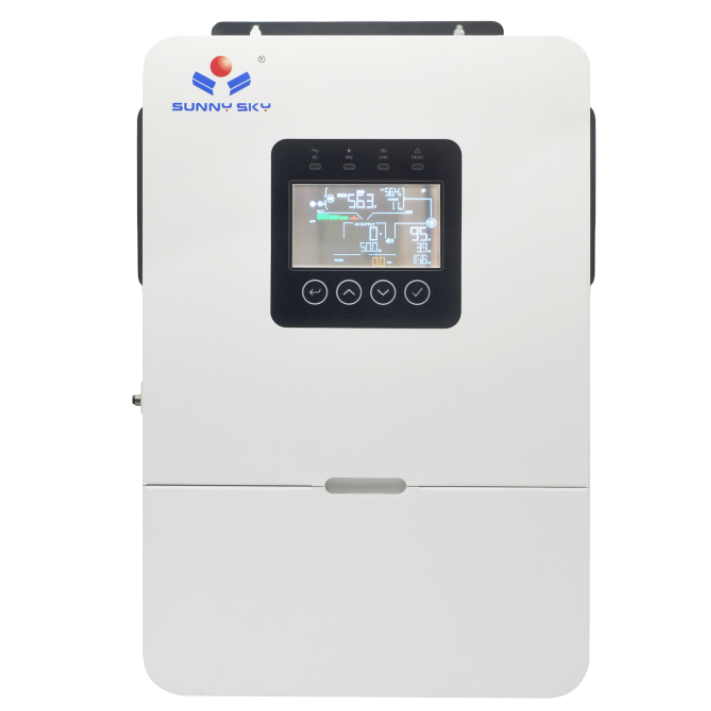
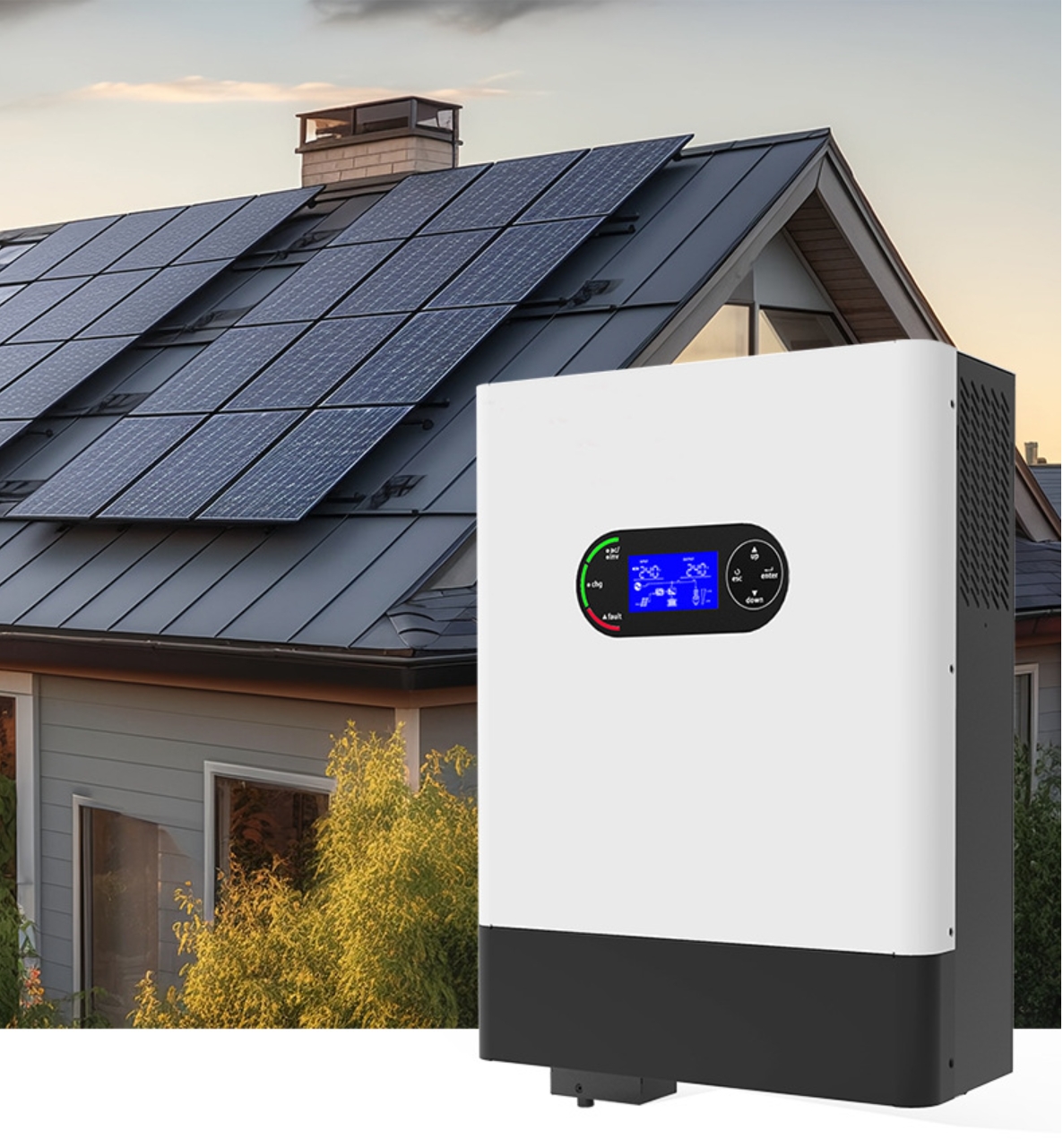
Didisolar’s Three-Phase Inverter Highlights
| Feature | Specification |
|---|---|
| Capacity Range | 5KW to 50KW (stackable design) |
| Output Type | True three-phase, with 100% unbalanced load tolerance |
| Battery Integration | Supports lead-acid, LiFePO₄, or no battery (grid-tied mode) |
| MPPT Efficiency | ≥99% with dual/quad tracker input (model dependent) |
| Grid Support | Grid-tie / Hybrid / Off-grid |
| Surge Capacity | Up to 2x rated power for motor starting |
| Enclosure | IP65 for outdoor deployments |
| AC Bypass Function | Optional automatic bypass (on hybrid models) |
| Monitoring | WiFi/GPRS, RS485, app support |
These systems aremodular and customizable, suitable for single-building loads or distributed microgrid clusters.
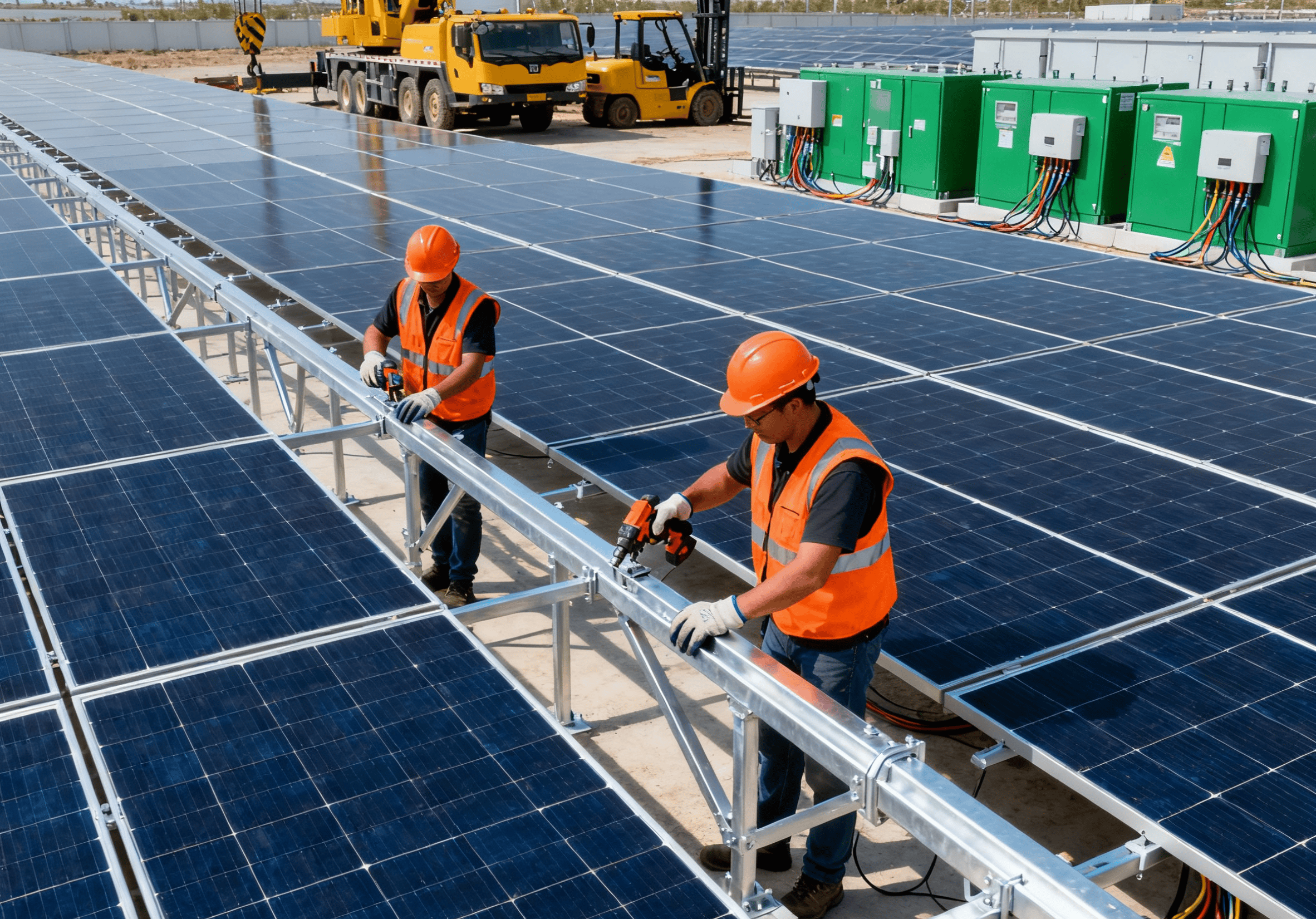
Didisolar Engineering Use Case: Factory in Southern Philippines
-
Client:Agro-processing facility with grain mills and packaging
-
Challenge:High diesel use, unstable grid, 3-phase motors
-
Solution:
-
30KW three-phase hybrid inverter
-
40kWh LiFePO₄ battery bank
-
45kWp solar array
-
-
Result:
-
65% diesel reduction
-
Smoother machine performance
-
Payback achieved in under 3.2 years
-
Consult project-ready three-phase inverter kits on Didisolar
How to Select the Right Three-Phase Inverter System
1. Load Type & Startup Demand
Inductive loads like motors and compressors need inverters withhigh surge capacity.
2. Power Capacity Matching
Always oversize slightly (10–20%) to ensure inverter isn’t overdriven during peak use.
3. Phase Balance Control
Didisolar inverters support100% unbalanced load, making them ideal for uneven machinery distribution.
4. Off-grid vs Hybrid vs Grid-Tie
-
Off-grid: Ideal for remote setups
-
Hybrid: Enables backup + self-consumption
-
Grid-tie: Maximize solar injection with minimal storage
5. Monitoring & Maintenance
Choose models with remote fault alerts, diagnostics, andRS485 or Modbus supportfor SCADA systems.
Conclusion
Three-phase inverter systems are the backbone of solar-powered industry and infrastructure. With Didisolar’sfield-tested, scalable, and smart inverter solutions, commercial users can reduce reliance on unstable grids, lower fuel costs, and boost long-term reliability.