Understanding Hybrid Solar Inverters vs. Traditional Inverters
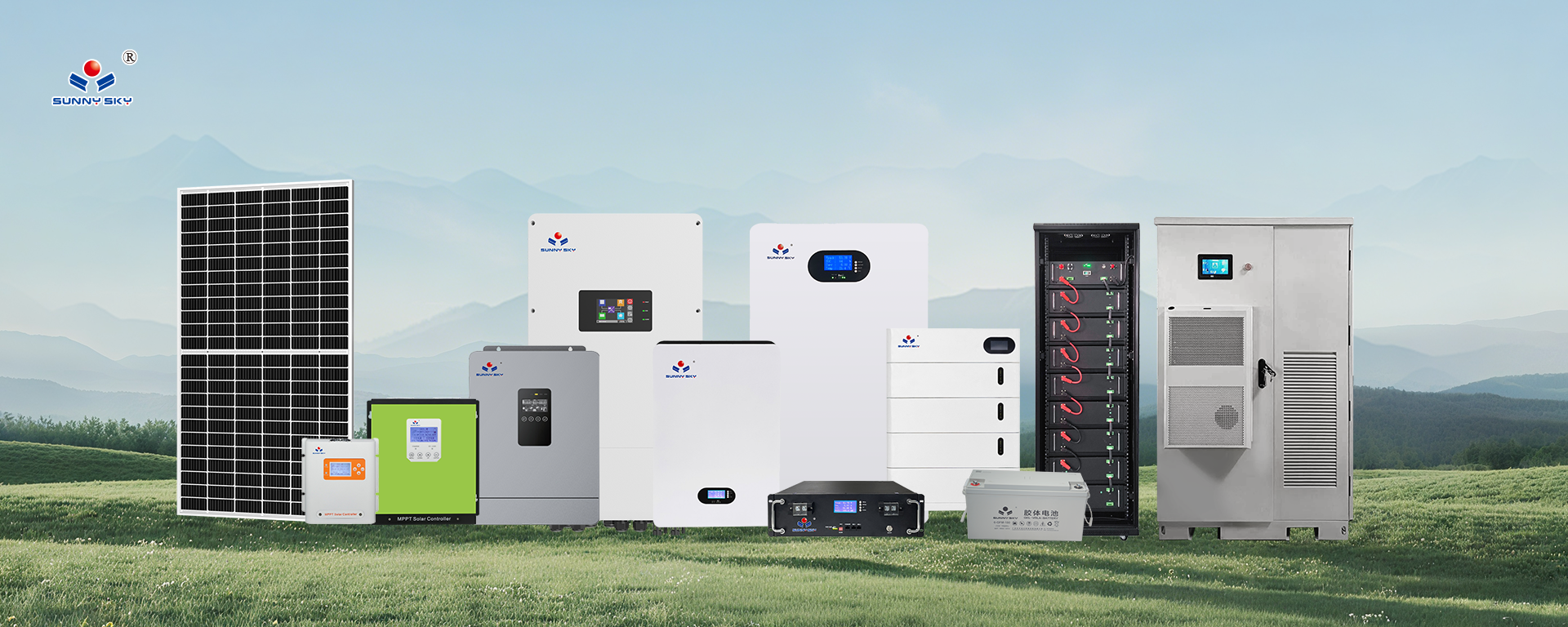
In the evolving world of renewable energy, the hybrid solar inverter stands out as a versatile powerhouse, blending solar power with grid and battery systems for unmatched efficiency. Unlike traditional inverters that solely convert DC to AC power from solar panels, hybrid models like the Sunny Sky 6KW offer integrated solutions for both on-grid and off-grid scenarios. This comparison highlights how hybrid solar inverters provide greater flexibility compared to their conventional counterparts, which often require separate components for battery storage or grid interaction.
Traditional inverters excel in simple grid-tied setups, feeding excess solar energy back to the utility grid without the complexity of storage. However, they fall short in areas with unreliable grids or during outages, leaving users powerless. In contrast, the hybrid solar inverter from Sunny Sky seamlessly switches between modes, ensuring continuous power supply. Its sleek design with an LCD display and intuitive buttons makes monitoring effortless, a feature absent in basic models that lack real-time data insights.
Best Hybrid Solar Inverter: Performance and Price Comparison
When evaluating the best hybrid solar inverter, factors like capacity, efficiency, and hybrid inverter price become crucial. The Sunny Sky 6KW model boasts a robust 6KW output, outperforming many entry-level inverters that cap at lower wattages and struggle with high-demand households. Priced competitively, its hybrid inverter price reflects premium solar inverter technology without the exorbitant costs of lesser-known brands, which often compromise on build quality.
Compared to standard solar panel inverters, which focus primarily on conversion without hybrid capabilities, the Sunny Sky inverter integrates advanced features like parallel operation for scalability. Budget options might save upfront but lead to higher long-term costs due to inefficiencies, whereas this model's energy management optimizes output, reducing electricity bills by up to 30% in hybrid solar systems.
Off-Grid Hybrid Inverter vs. Grid-Tied: Advantages in Action
For those considering an off-grid hybrid inverter, the Sunny Sky 6KW shines in remote or unstable power regions, unlike purely grid-tied inverters that depend on utility stability. The hybrid inverter advantages include built-in inverter battery storage support, allowing excess solar energy to be stored for nighttime use, a stark contrast to non-hybrid systems that waste surplus power.
In grid-tied setups, traditional renewable energy inverters prioritize net metering but offer no backup during blackouts. The Sunny Sky inverter, however, transitions smoothly to off-grid mode, powering essentials with stored energy. This dual functionality not only enhances reliability but also future-proofs your setup against rising energy costs, making it superior for eco-conscious users investing in a comprehensive hybrid solar system.
Solar Inverter Technology: Innovation Driving Hybrid Systems
Advancements in solar inverter technology have propelled hybrid models ahead of outdated string inverters, which suffer from single-point failures if one panel underperforms. The Sunny Sky 6KW employs MPPT tracking for maximum efficiency, converting more sunlight into usable power compared to fixed-ratio traditional tech.
Hybrid inverter advantages extend to scalability; you can add more units for larger homes, unlike rigid conventional systems. When paired with solar panel inverters in a full renewable energy inverter ecosystem, it minimizes losses and maximizes ROI. Users report seamless integration with existing setups, contrasting the cumbersome retrofits needed for non-hybrid alternatives.
Overall, choosing a hybrid solar inverter like the Sunny Sky 6KW means embracing a future where energy independence meets affordability, outpacing the limitations of yesterday's technology.