As homeowners increasingly seek energy independence and sustainability, the market for solar power solutions has expanded significantly. Choosing the right system for your needs can seem daunting, but understanding the core components is the first step. A 500W solar system, for instance, represents a popular and accessible entry point into the world of renewable energy, offering a balance of power, capacity, and affordability that suits many modern households. These systems are not just about generating power; they are about intelligently storing and managing it to ensure reliability when you need it most.
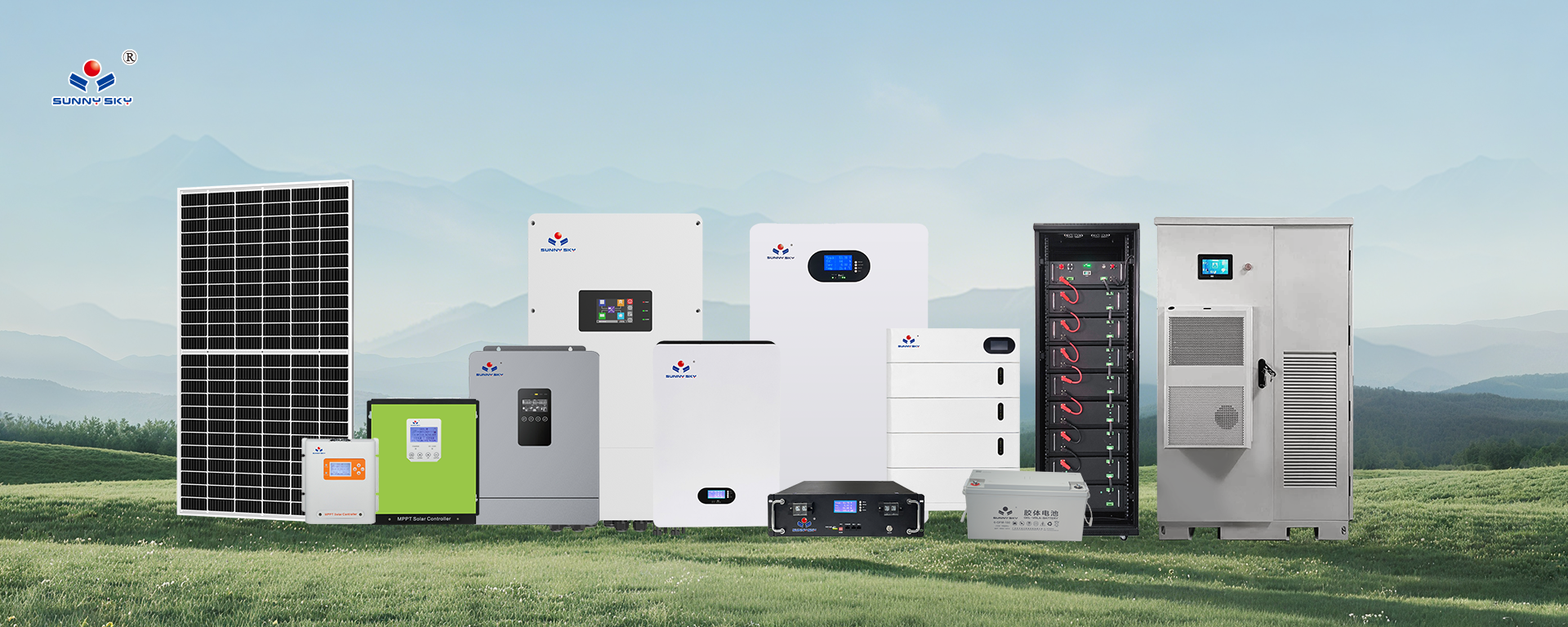
A typical 500W solar system is designed for efficiency and convenience, making it an ideal choice for apartments, small homes, or as a dedicated backup for essential devices. A prime example is a unit featuring a 500W inverter paired with approximately 1kWh energy storage. This combination is powerful enough to run lights, fans, routers, and charge personal electronics like laptops and phones for extended periods. The inclusion of a built-in inverter is a critical feature, as it seamlessly converts the DC power stored in the battery to AC power usable by your appliances, creating a plug-and-play home energy storage solution. Advanced models also incorporate an MPPT solar charge controller to maximize the energy harvested from your solar panels, ensuring you get the most out of every ray of sunshine.
While a 500W solar system is perfect for basic needs, some households require more robust power. This is where a direct comparison with a larger system, such as a 1000W model with 2kWh of storage, becomes important. The decision to upgrade depends entirely on your energy consumption. If you plan to run larger appliances like a refrigerator or multiple devices simultaneously, the higher output of a 1000W system is necessary. This larger capacity provides a more comprehensive residential solar storage solution, offering longer backup times during a power outage and greater overall energy security. It transforms from a simple backup unit into a more fully integrated energy system for your home, capable of handling more significant loads.
Regardless of the power level, modern systems share key technologies that enhance their performance and user experience. The trend towards a wall-mounted solar storage design is a significant advantage, saving valuable floor space and offering a sleek, unobtrusive look. Internally, the choice of battery is paramount. Many premium systems utilize a lithium iron phosphate battery, prized for its long lifespan, safety, and stable performance compared to other battery chemistries. This, combined with UPS (Uninterruptible Power Supply) functionality, ensures a seamless transition to battery power during an outage, protecting sensitive electronics from sudden power loss. This high level of integration is key to achieving optimal energy efficiency.
Ultimately, selecting between a 500W solar system and a more powerful alternative comes down to a personal assessment of your needs. The 500W option provides an excellent, cost-effective entry into residential solar storage, perfect for covering essential loads and reducing reliance on the grid. For those with greater energy demands or a desire for more comprehensive backup, a larger integrated energy system is the superior choice. Both paths lead toward greater energy independence and improved energy efficiency. By evaluating your daily power usage and what appliances you deem essential during an outage, you can confidently choose one of these solar power solutions to power your home sustainably into the future.
Understanding the 500W Solar System: A Closer Look
A typical 500W solar system is designed for efficiency and convenience, making it an ideal choice for apartments, small homes, or as a dedicated backup for essential devices. A prime example is a unit featuring a 500W inverter paired with approximately 1kWh energy storage. This combination is powerful enough to run lights, fans, routers, and charge personal electronics like laptops and phones for extended periods. The inclusion of a built-in inverter is a critical feature, as it seamlessly converts the DC power stored in the battery to AC power usable by your appliances, creating a plug-and-play home energy storage solution. Advanced models also incorporate an MPPT solar charge controller to maximize the energy harvested from your solar panels, ensuring you get the most out of every ray of sunshine.
Comparing Power Levels: When to Step Up from a 500W System
While a 500W solar system is perfect for basic needs, some households require more robust power. This is where a direct comparison with a larger system, such as a 1000W model with 2kWh of storage, becomes important. The decision to upgrade depends entirely on your energy consumption. If you plan to run larger appliances like a refrigerator or multiple devices simultaneously, the higher output of a 1000W system is necessary. This larger capacity provides a more comprehensive residential solar storage solution, offering longer backup times during a power outage and greater overall energy security. It transforms from a simple backup unit into a more fully integrated energy system for your home, capable of handling more significant loads.
Core Technologies: What Makes a Modern Solar Storage System?
Regardless of the power level, modern systems share key technologies that enhance their performance and user experience. The trend towards a wall-mounted solar storage design is a significant advantage, saving valuable floor space and offering a sleek, unobtrusive look. Internally, the choice of battery is paramount. Many premium systems utilize a lithium iron phosphate battery, prized for its long lifespan, safety, and stable performance compared to other battery chemistries. This, combined with UPS (Uninterruptible Power Supply) functionality, ensures a seamless transition to battery power during an outage, protecting sensitive electronics from sudden power loss. This high level of integration is key to achieving optimal energy efficiency.
Making the Right Choice for Your Home
Ultimately, selecting between a 500W solar system and a more powerful alternative comes down to a personal assessment of your needs. The 500W option provides an excellent, cost-effective entry into residential solar storage, perfect for covering essential loads and reducing reliance on the grid. For those with greater energy demands or a desire for more comprehensive backup, a larger integrated energy system is the superior choice. Both paths lead toward greater energy independence and improved energy efficiency. By evaluating your daily power usage and what appliances you deem essential during an outage, you can confidently choose one of these solar power solutions to power your home sustainably into the future.