Key Features of the Sunway 125kW/261kWh Liquid-Cooled Energy Storage System:
This liquid-cooled energy storage system is engineered for demanding applications by the top solar energy storage supplier in China, including robust solar energy storage, integrating high performance, safety, and intelligence into a single solution.
- Enhanced Power Output
Delivers 125 kW of rated AC power and 261 kWh of energy capacity, providing reliable support for large-scale industrial and commercial energy storage needs.
- All-in-One Outdoor Cabinet
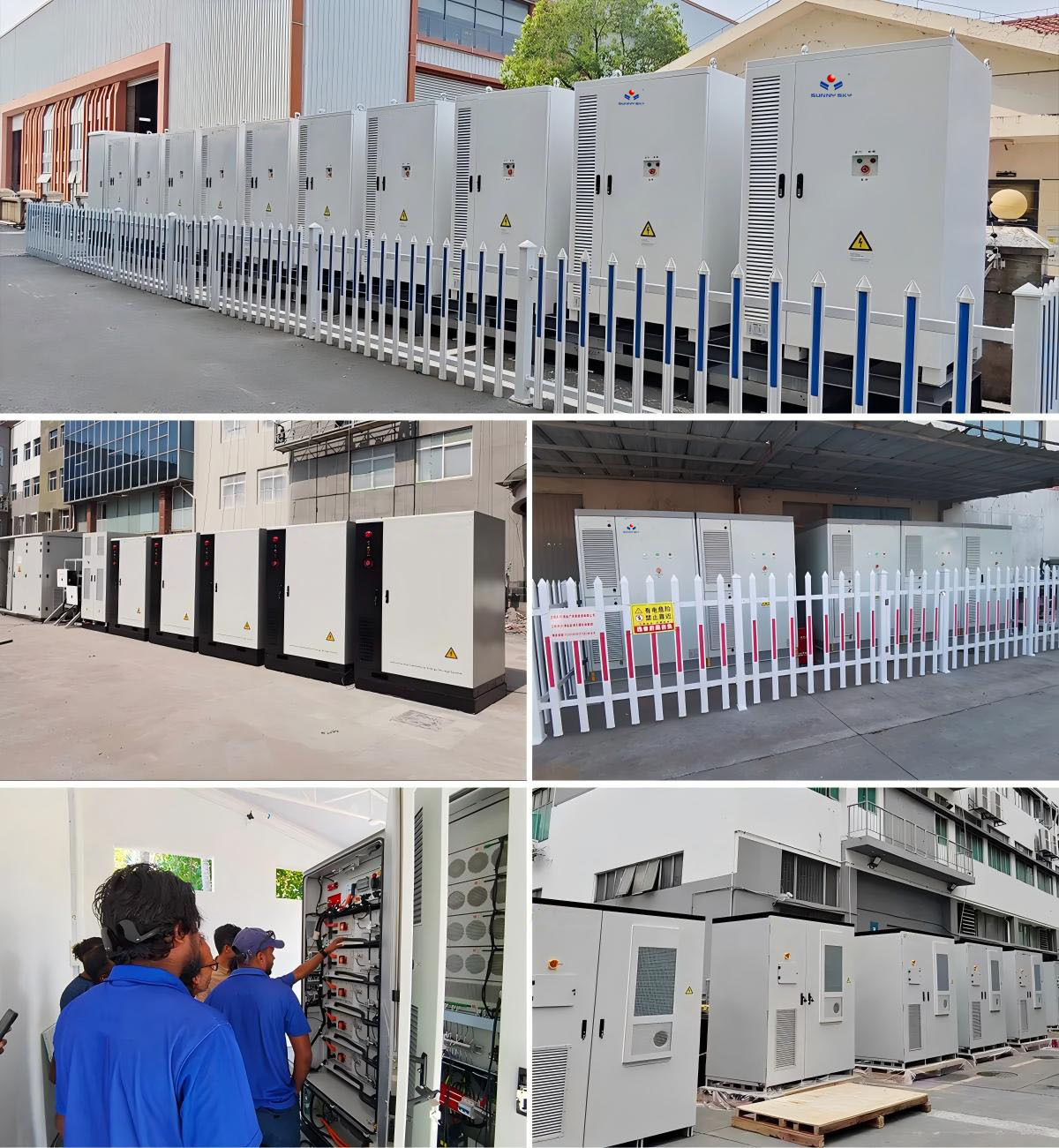
The advanced outdoor solar energy storage system that integrates LFP batteries, modular PCS, EMS/BMS, power distribution, fire suppression, and environmental control systems into a unified, compact enclosure, purpose-built for reliable commercial, industrial, and other outdoor operations.
-
Advanced Liquid Cooling
Delivers advanced battery energy storage solutions by employing intelligent thermal management to enhance efficiency and extend battery life under demanding operating conditions.
-
High Protection & Safety
Designed for dependable solar energy storage, our liquid-cooled energy storage system features an IP55 protection rating, transformer isolation, and comprehensive system monitoring to ensure maximum reliability.
-
Smart & Scalable:
Engineered for scalable commercial energy storage, it supports real-time communication via CAN, Ethernet, and RS485, and features a modular design for seamless future capacity expansion.
-
Pre-assembled & Pre-tested:
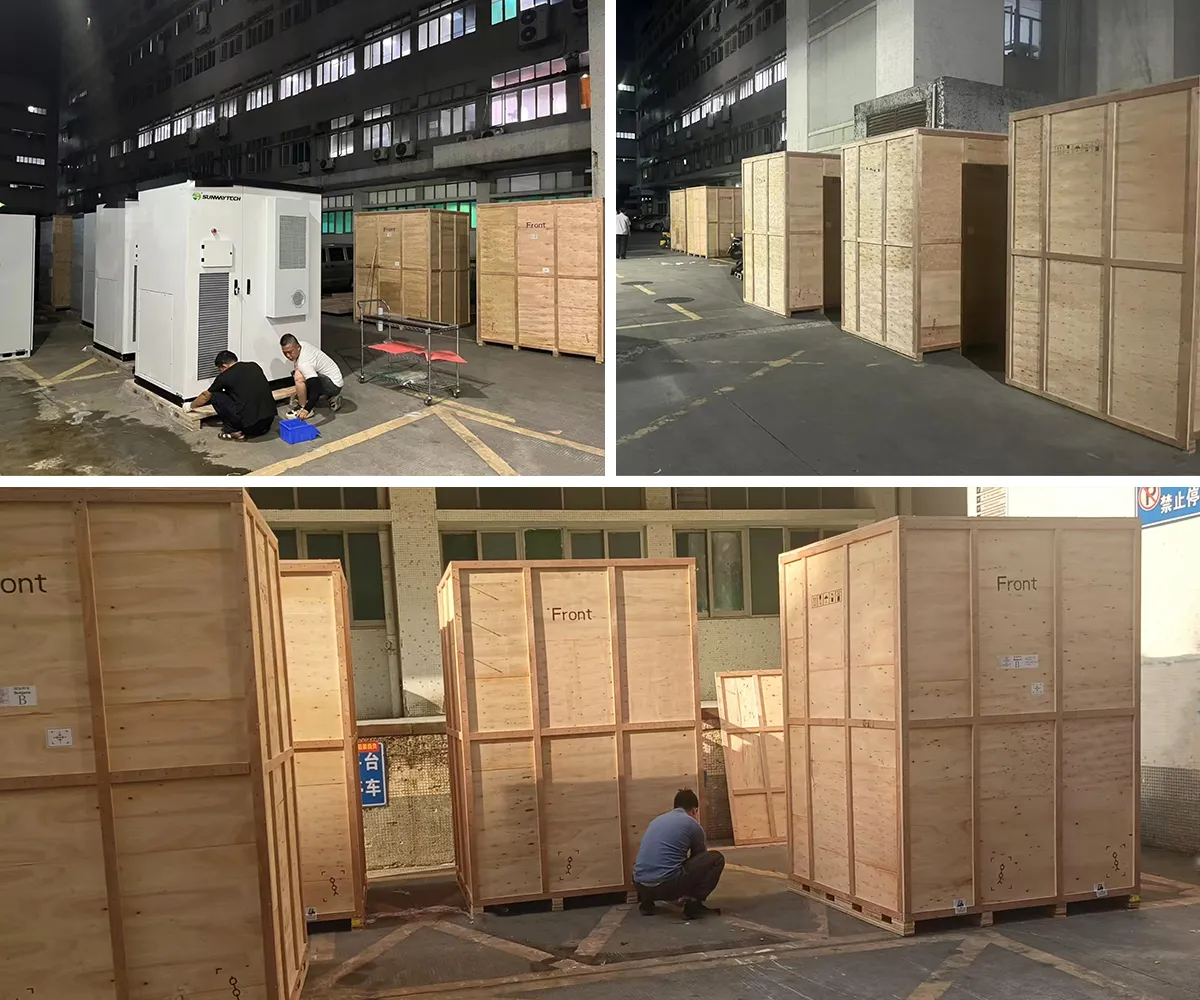
Factory-integrated and commissioned, this 100kW battery storage solution arrives ready to install, minimizing on-site labor and complexity across various projects.
As a comprehensive battery energy storage solutions provider, this system is a powerful and safe outdoor solar energy storage system ready for challenging environments.
|
product model |
105KW-241KWH |
125KW-261KWH |
|
DC side parameters |
||
|
battery capacity |
3 1 4 Ah, LFP |
3 1 4 Ah,LFP |
|
Series and parallel mode |
1P240S |
1P260S |
|
Rated battery energy (kWh) |
241 |
261 |
|
nominal voltage (V) |
768 |
832 |
|
Working voltage range (V) |
672~876 |
728~949 |
|
Depth of discharge (DOD) |
90% (SOC available range 5% ~ 95%) |
90% (SOC available range 5% ~ 95%) |
|
Communication side parameters |
||
|
Rated output power (kW) |
105 |
125 |
|
Rated grid voltage (V AC) |
400(3W+N+PE) |
400(3W+N+PE) |
|
Voltage range of the grid (V AC) |
340~460 |
340~460 |
|
Rated power frequency (Hz) |
50/60 |
50/60 |
|
system parameter |
||
|
Product size (L*W*H mm) |
1000*1400*2400 |
1000*1400*2400 |
|
weight (KG) |
≤2500 |
≤2500 |
|
cloud platform |
Available (optional) |
|
|
Warranty period |
Five years |
Five years |
|
communication int-erface |
RS485 ,Ethernet,CAN |
RS485 ,Ethernet,CAN |
|
General agreement |
ModbusRTU/ TCP, IEC6 18 50 |
ModbusRTU/ TCP, IEC6 18 50 |
|
levels of protection |
IP54, outdoor installation |
IP54, outdoor installation |
|
Battery unit cooling |
Intelligent liquid cooling |
Intelligent liquid cooling |
|
Number of cycles of the cell |
≥ 6000cycle |
≥ 6000cycle |
Liquid Cooled Integrated Energy Storage Cabinet for Commercial and Industrial Power Management
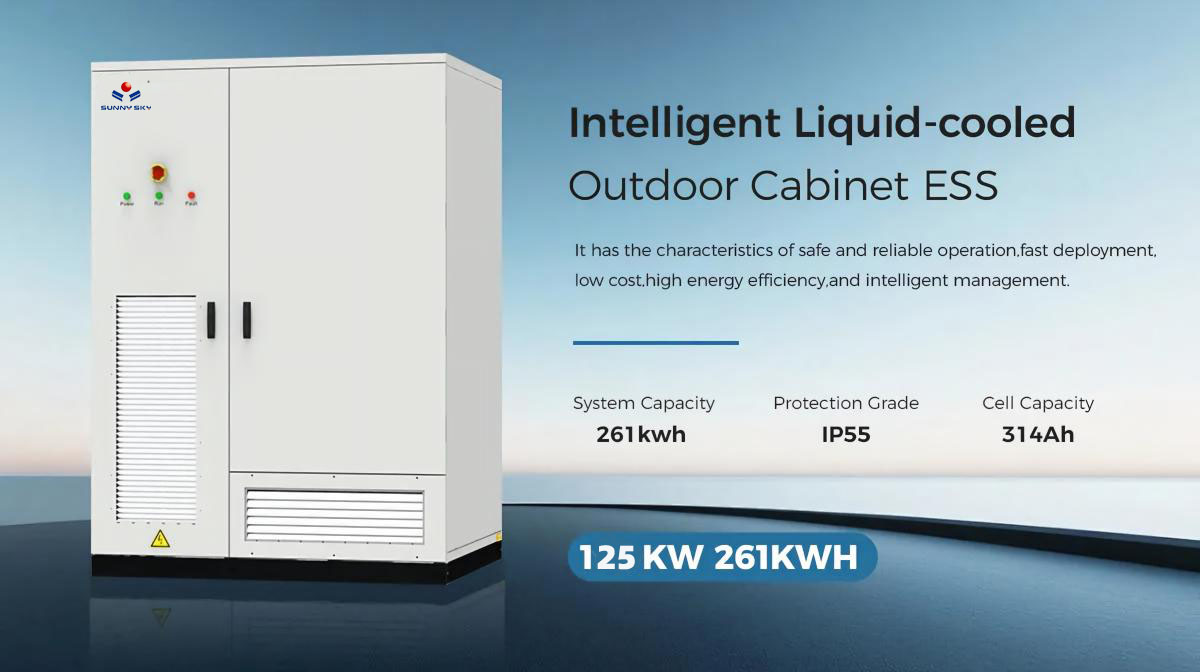
The liquid cooled integrated energy storage cabinet is designed to solve a common problem for industrial and commercial sites: how to store more energy in a compact outdoor unit while keeping temperature under control. When facilities need peak shaving, backup power, load shifting, or renewable energy buffering, a cabinet-based storage system can provide the flexibility of battery storage without requiring a large indoor plant room. With a visible 125kW power rating, 261kWh capacity, IP55 protection grade, and 314Ah cell capacity shown in the product data, this type of system is aimed at outdoor deployment where reliability and enclosure protection matter.
Product Overview
This product is an outdoor cabinet energy storage system built around a modular battery architecture and liquid cooling management. It combines battery clusters, a local controller, power conversion equipment, and electrical distribution inside an enclosed metal cabinet. The internal layout data shows clearly separated functional sections, including a liquid cooling unit, PCS and UPS, distribution box, high-voltage box, battery cluster, and local controller. That arrangement is important because it helps organize the system for serviceability, thermal stability, and controlled power delivery.
For buyers comparing an integrated energy storage system cabinet with a traditional battery room solution, the cabinet format offers a more compact footprint and simpler site planning. It is especially relevant for factories, logistics parks, commercial buildings, microgrids, and sites with distributed solar power.
Key Specifications and Functional Highlights
Visible and provided specifications
Based on the supplied product information, the cabinet shows a 125kW rating, 261kWh energy capacity, 314Ah cell capacity, and IP55 protection. The enclosure also appears to be built for outdoor service, with ventilation details, front access panels, and industrial warning labeling.
System architecture
The internal schematic indicates a compartmentalized layout. Battery clusters are grouped separately from the PCS and UPS, distribution components, and the high-voltage box. This kind of separation is valuable for orderly routing, maintenance access, and electrical safety management. The local controller suggests onboard system supervision, which is an important feature in an industrial commercial energy storage system.
Materials, Enclosure, and Finish Options
The visible cabinet uses a tall rectangular metal housing with a painted white industrial finish. From the images and description, the enclosure appears to be fabricated sheet metal with front access doors or panels and lower ventilation sections. Because the internal construction is not fully visible, exact sheet thickness, coating type, and material grade should be confirmed during technical review.
For projects that require special site conditions, buyers often ask about enclosure customization such as color, door configuration, cable entry placement, grounding layout, and service access orientation. These details can influence installation efficiency and long-term maintenance.
Liquid Cooling and Thermal Management
Liquid cooling is one of the strongest features of this Industrial and Commercial Liquid Cooled Energy Storage Cabinet. Battery systems generate heat during charge and discharge cycles, and unmanaged heat can affect performance and service life. Liquid cooling helps maintain a more stable internal temperature profile than simple air-based approaches in many high-density applications. The exact cooling medium, flow design, and control logic are not stated in the provided data, so those items should be confirmed before final procurement.
Manufacturing and System Integration
This is not a single component product; it is a system integration project. The manufacturing scope likely includes metal enclosure fabrication, electrical assembly, battery pack integration, cooling installation, wiring, testing, and final cabinet assembly. The product data also points to industrial-grade compartmentalized engineering, which is exactly what buyers should look for when sourcing a liquid cooled integrated energy storage cabinet for demanding site conditions.
A well-integrated cabinet should support efficient cable management, clear separation of high-voltage and control sections, and practical access for inspection and replacement. Those design choices can reduce installation risk and simplify field service.
Typical Application Scenarios
This cabinet is suitable for commercial rooftops, factories, warehouses, charging stations, renewable energy sites, and other locations that need energy buffering and power stability. It can support load shifting during expensive tariff periods, reduce demand peaks, provide backup support for critical loads, and smooth renewable generation output. For buyers deploying solar plus storage, the cabinet can serve as the bridge between intermittent generation and predictable site consumption.
Quality Control and Buyer Decision Factors
When evaluating a 125kW 261kWh liquid cooled battery cabinet, buyers should pay attention to enclosure protection, thermal management, service access, control architecture, and site compatibility. Important questions include: Is the cabinet suitable for outdoor placement in the local climate? How is the battery cluster monitored? What protections are built into the distribution and high-voltage sections? How easy is maintenance access from the front and rear? These factors often matter more than headline capacity alone.
Since some details such as battery chemistry, cycle life, communication protocol, and certification scope are not provided here, a technical review is recommended before ordering. That is especially important for projects with grid interconnection or strict safety requirements.
Customization Guidance
Buyers often need cabinet energy storage systems tailored to project conditions. Common customization points include capacity sizing, power rating, cabinet layout, cable entry position, controller integration, and enclosure finish. If your project requires integration with solar inverters, factory energy management systems, or backup circuits, specify the interface requirements early so the cabinet can be matched to the site design.
Why Choose SUNNYSKY
Guangzhou Tianyuan Solar Equipment CO.,LTD, operating under the SUNNYSKY brand, focuses on reliable green energy products backed by independent R&D and patented technologies. With experience serving customers in over 50 countries, the company positions itself around stability, performance, and practical design. Its location near Guangzhou Baiyun International Airport also supports efficient factory visits and international collaboration.
Request a Project Review
If you are planning a commercial or industrial energy storage project, this liquid cooled integrated energy storage cabinet is worth reviewing in detail. Share your load profile, operating site, and installation goals, and ask for a configuration matched to your application. For serious buyers, the next step is not just a quotation, but a system check against your power, space, and thermal requirements.