
5KW Off-Grid Solar Power System for Reliable Telecom and Remote Energy Use
A 5KW Off-Grid Solar Power System is a practical answer when a site needs stable electricity but the utility grid is weak, unavailable, or too expensive to extend. For rooftop telecom equipment, small base stations, and other distributed loads, this type of off-grid setup helps keep critical devices running while reducing dependence on diesel backup and unstable grid supply. It is especially useful where space is limited and continuous operation matters.

Solar panel
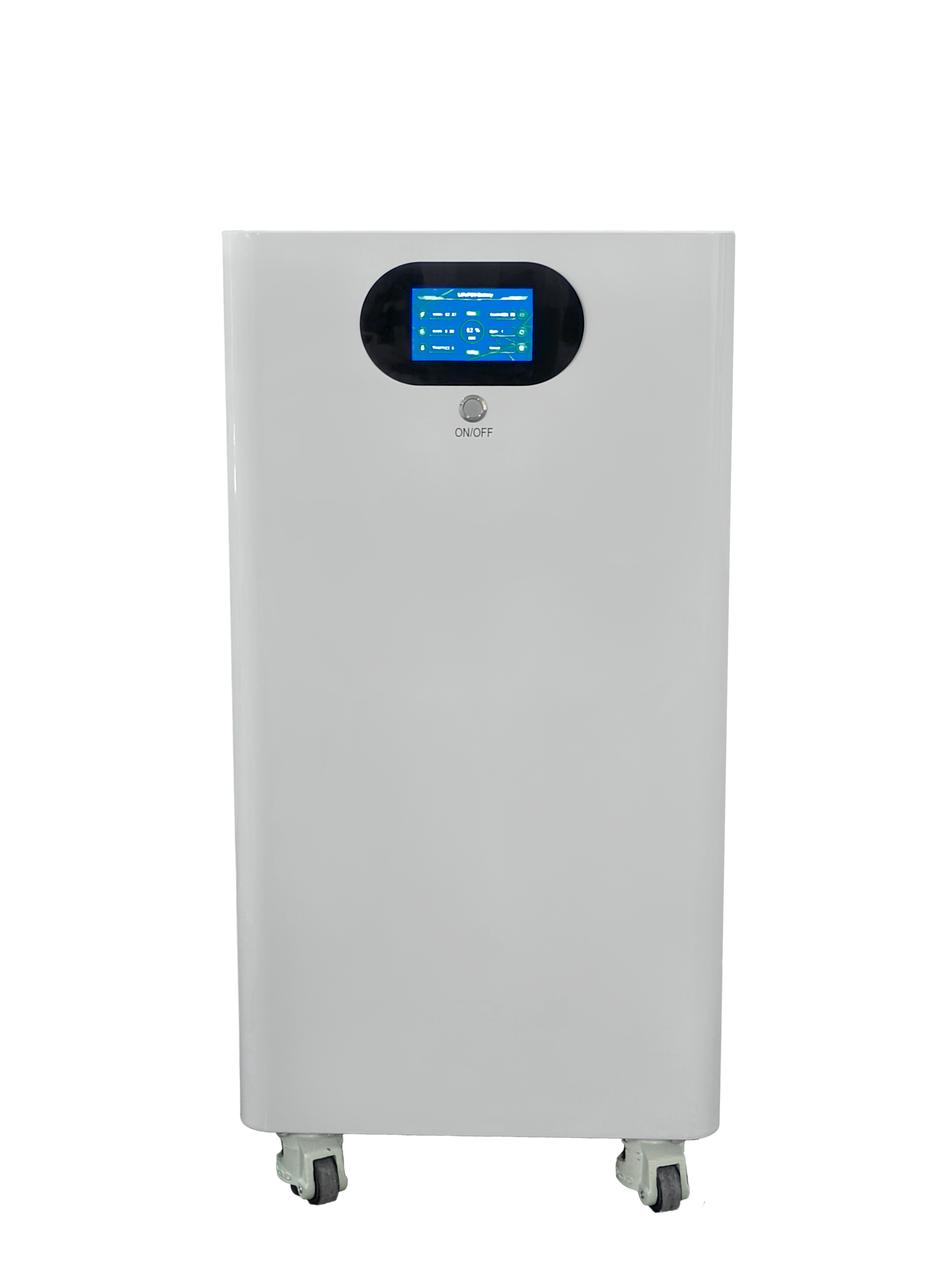
Lithium battery 51.2V314AH
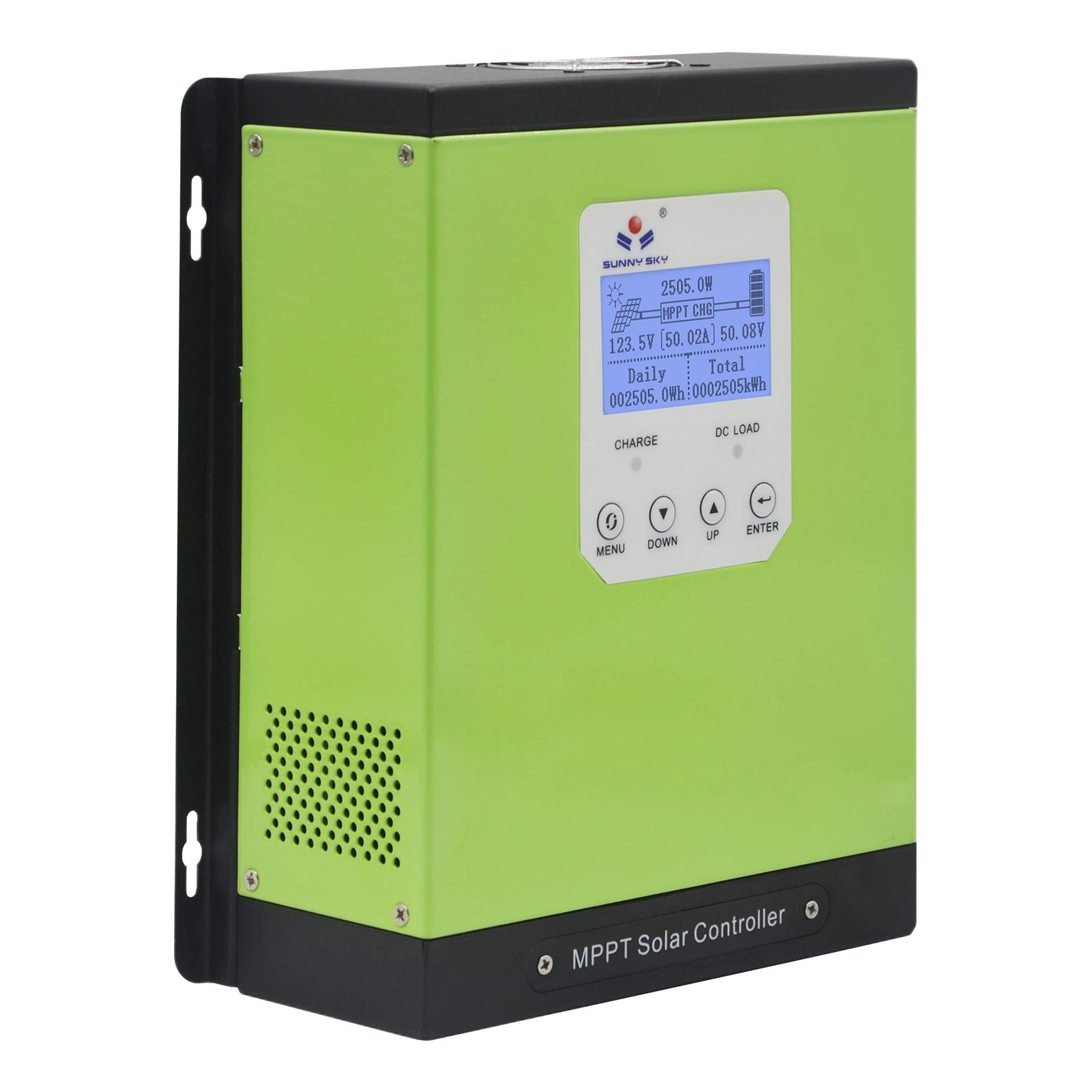
MPPT Solar Charge Controller
Key Features
48V DC Native Output
Direct feed for telecom equipment — no conversion loss, compatible with RRU, BBU, transmission devices.
Industrial LiFePO4 Battery
4000+ cycles at 80% DoD, -20°C to +60°C operating range, BMS cell balancing & temperature monitoring.
99% MPPT Efficiency
Maximum energy harvest from solar panels, 15-30% more efficient than PWM controllers.
Remote 4G Monitoring
Real-time SOC, voltage, current, fault alarms via SNMP/4G — perfect for unmanned sites.
IP65 Outdoor Cabinet
Dustproof, waterproof, heat-insulated, sun-protected — built for deserts and harsh climates.
Hybrid Ready
Integrates with diesel generator backup for extended cloudy periods and emergency operation.
Application Scenarios
- Off-grid telecom towers — no grid connection required, remote rural sites
- 4G / 5G macro base stations — multi-sector, high continuous load demand
- BTS transceiver stations — main equipment RRU/BBU power supply
- Microwave relay stations — critical communication infrastructure
- Satellite ground stations — stable 48V DC power for sensitive equipment
- Emergency temporary BTS — rapid deployment for disaster recovery
Why Operators Choose TYS-6KS for Africa & Middle East
Our solar telecom power systems are engineered for the specific conditions of African and Middle Eastern telecom sites: extreme heat up to 55°C, sandstorms, high humidity, and extended periods of low sunlight during rainy seasons. Every TYS-6KS system includes oversized battery autonomy (72-120 hours minimum) and robust IP65+ enclosures to ensure your network stays online when it matters most.
Over 75% of new telecom infrastructure investments in Africa now include solar energy components. The TYS-6KS cuts diesel generator operating costs by up to 80% over system lifetime, with payback typically within 2-3 years.
Frequently Asked Questions
Available for Africa & Middle East Markets
Africa: South Africa, Kenya, Nigeria, Tanzania, Ethiopia, Ghana, Senegal, Morocco, Egypt, Angola, Mozambique, DRC, Zambia, Zimbabwe, Uganda, Rwanda
Middle East: UAE, Saudi Arabia, Oman, Qatar, Kuwait, Bahrain, Jordan, Iraq, Yemen
Contact our regional sales team for local reference projects, distributor pricing, and on-site technical consultation.
Product Overview
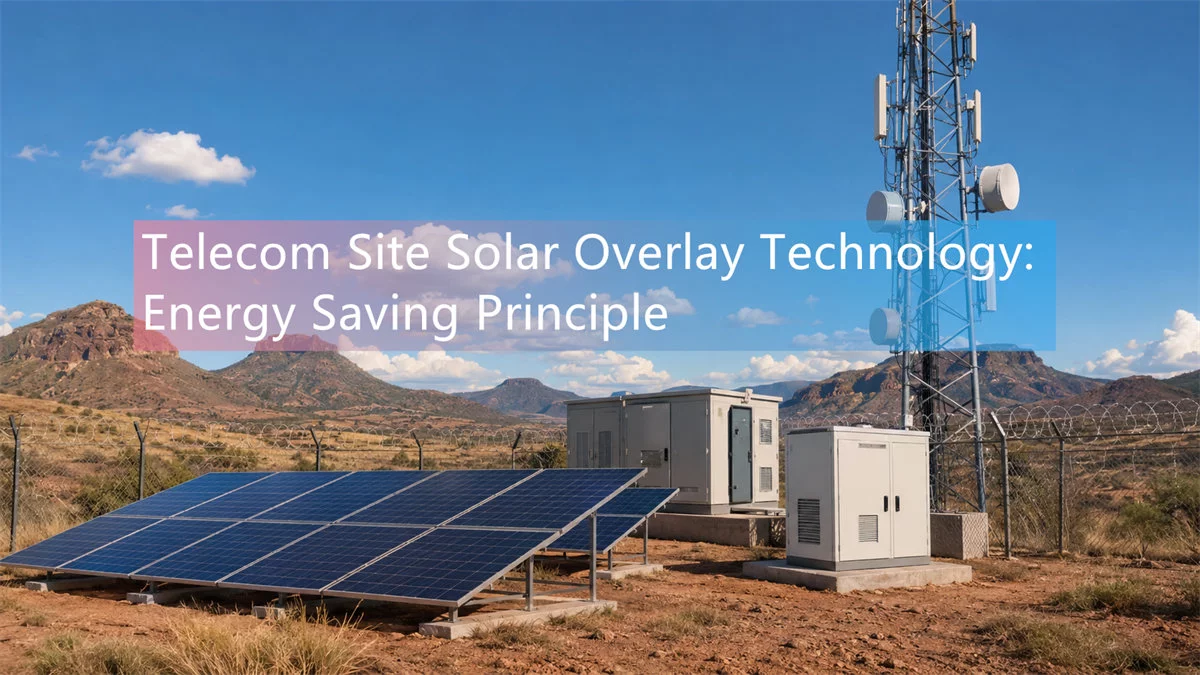
This system is designed around solar generation, outdoor-rated power equipment, and site-ready installation hardware. In a telecom environment, the structure typically supports antennas, control enclosures, cable routing, and photovoltaic modules in one compact rooftop footprint. The visible installation style suggests a focused deployment model for urban rooftops, network densification, and communications sites that require dependable auxiliary power.
Guangzhou Tianyuan Solar Equipment CO.,LTD develops solar solutions with independent R&D and patented technologies, supporting customers across more than 50 countries. SUNNYSKY emphasizes stability, performance, and practical design, which is important when a project must operate outdoors, under heat, wind, and long service cycles.
Key Features and System Capabilities
Compact rooftop layout
The configuration uses a small footprint, with solar panels mounted on tilted frames and telecom equipment arranged on a central mast. This makes it suitable for urban rooftops, parapet-adjacent spaces, and retrofit projects where structural area is restricted.
Outdoor-rated infrastructure
Visible components include weatherproof cabinets, insulated cabling, galvanized or stainless steel support structures, and metal antenna housings. These details matter because outdoor solar and telecom equipment must handle rain, UV exposure, and vibration without frequent maintenance intervention.
Power continuity for critical loads
As an Off Grid Solar Solution, the system is intended to keep essential equipment powered when grid supply is absent or unstable. In telecom use, that can support network availability for base stations, repeaters, edge nodes, and related communications hardware.
Typical Specifications and Building Blocks
Exact electrical ratings were not provided, so the following should be treated as a functional reference rather than a fixed specification. A project in this category commonly includes solar modules, mounting frames, a charge controller, battery storage, DC distribution, protection devices, and enclosure-based control hardware.
For telecom deployments, buyers often request an MPPT Solar Charge Controller to improve solar charging efficiency, and a 48V DC LiFePO4 Battery for stable storage and better cycle life in demanding outdoor service. A Remote Monitoring Solar System can also be added so operators can track site status, energy flow, and alarm conditions without frequent field visits.
Materials and Finish Options
The visible installation uses practical industrial materials: aluminum-framed solar panels, coated steel or galvanized mast structures, painted metal cabinet surfaces, and black insulated wiring. These materials are widely used because they balance corrosion resistance, structural strength, and serviceability.
For buyer planning, finish options often depend on the project environment. Coastal or high-humidity sites may require enhanced anti-corrosion treatment. Rooftop projects may also need additional mounting protection, cable management, and sealed conduit routing to reduce long-term wear.
Manufacturing and Installation Approach
This category is not just equipment supply; it is a site deployment solution. Panels are mounted for solar exposure, enclosures are positioned for accessibility and protection, and cables are routed to minimize exposure and mechanical stress. When deployed as Telecom Backup Power System infrastructure, the layout must be planned with load profile, autonomy target, and available rooftop area in mind.
SUNNYSKY’s focus on energy efficiency and reliability aligns well with systems that need dependable operation in real field conditions. Buyers looking for Solar Power for Telecom projects usually value consistent assembly quality, predictable integration, and straightforward maintenance access more than decorative design.
Application Scenarios
This solution fits a range of use cases: rooftop 5G small-cell installations, dense urban network expansion, temporary communications sites, rural or remote coverage points, and mixed-power locations where solar assists the primary supply. It is also appropriate where diesel logistics are difficult or where lower operating emissions are a priority.
Quality Control and Buyer Decision Factors
For telecom and off-grid projects, the buyer should review structural load capacity, battery autonomy, controller compatibility, enclosure protection, cable routing, and maintenance access. The most important decision point is not only generation size, but whether the full system matches the site’s daily energy demand and outage expectations.
Before purchase, confirm the actual load list, required backup hours, mounting restrictions, and monitoring needs. If the site will support sensitive communications equipment, ask for a clear integration plan covering protection, grounding, and service access.
Customization Guidance
Projects can often be tailored by panel quantity, storage capacity, cabinet configuration, controller selection, and monitoring functions. A Telecom Base Station Solar System may need a different design from a general off-grid application, especially when radio equipment, power converters, and uptime requirements are involved. Clear site data leads to a better fit and fewer installation surprises.
Request a Project Consultation
If you are planning a 5KW Off-Grid Solar Power System for telecom or other critical outdoor loads, share your site conditions and power requirements with Guangzhou Tianyuan Solar Equipment CO.,LTD. Our team can help evaluate the right configuration, from the solar array and controller to storage and enclosure layout, so your project is built for dependable operation rather than short-term output.