Understanding Hybrid Solar Inverters and Why You Need One
A hybrid solar inverter is a versatile device that integrates solar power with grid electricity and battery storage, making it an essential component for modern renewable energy systems. If you're looking to optimize your home's energy efficiency, understanding how to choose and use a hybrid solar inverter can transform your setup. In this guide, we'll walk you through everything from selecting the best hybrid solar inverter to installation tips, helping you harness sustainable power effectively.
Choosing the Best Hybrid Solar Inverter for Your Needs
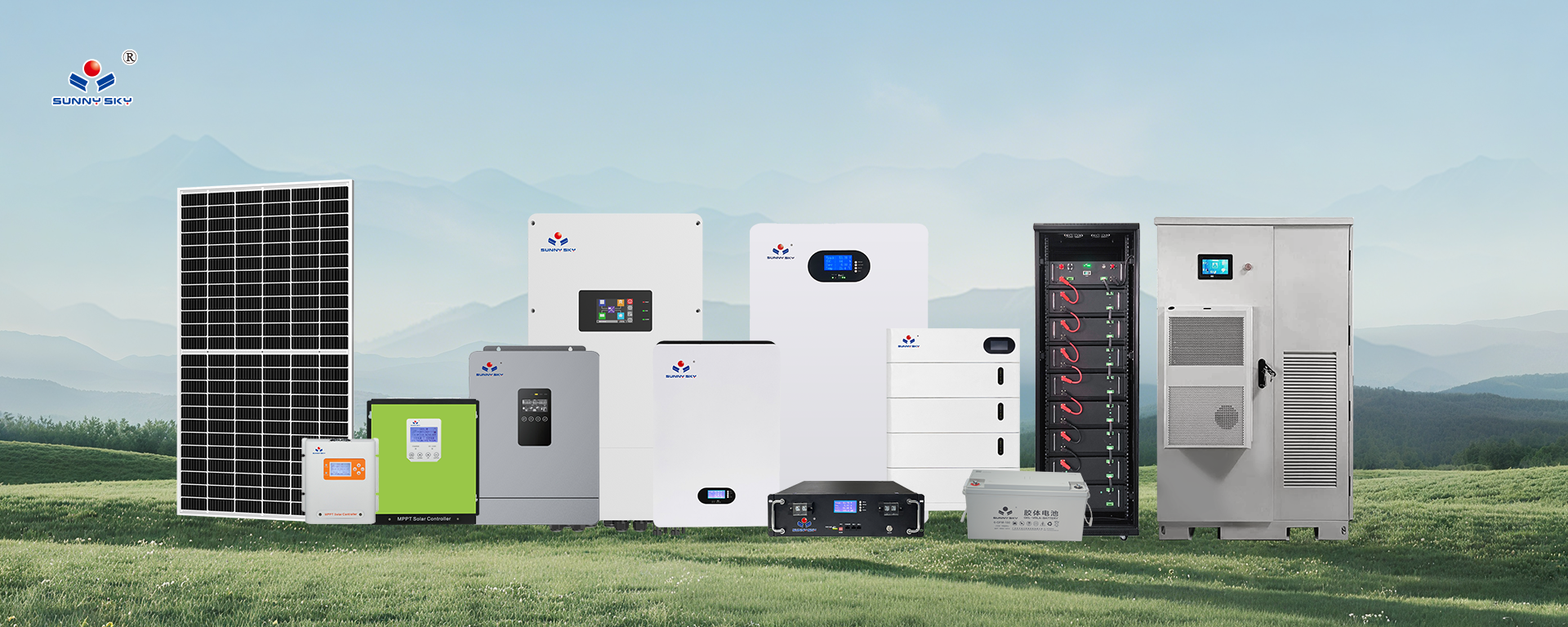
When searching for the best hybrid solar inverter, start by assessing your energy requirements. The Sunny Sky 6KW Hybrid Solar Inverter stands out as a top choice due to its robust 6KW capacity, ideal for medium to large households or small businesses. This model combines solar and grid power intelligently, ensuring optimal energy use while supporting battery backups for uninterrupted supply. Key hybrid solar inverter features include a high-resolution LCD display for real-time monitoring and an intuitive control panel for easy adjustments. Compare it with traditional options by reading hybrid solar inverter reviews, which praise its efficiency and sleek design. The hybrid inverter vs solar inverter debate often favors hybrids for their flexibility, as they handle both on-grid and off-grid scenarios seamlessly. Factor in the hybrid solar inverter price—Sunny Sky offers competitive value without compromising on quality. Look for models with advanced smart technology to maximize solar utilization and reduce grid dependency.
Key Benefits and Features of a Hybrid Solar Inverter System
The hybrid solar inverter benefits are numerous, starting with energy savings and sustainability. By blending solar input with grid power, a hybrid solar inverter system minimizes electricity bills and provides backup during outages, offering peace of mind. Explore hybrid solar inverter features like high conversion efficiency and durable construction, which ensure long-term reliability. For instance, the Sunny Sky inverter's modern white finish and compact build fit effortlessly into any space, while its robust materials withstand various conditions. In hybrid solar inverter reviews, users highlight the ease of tracking performance via the digital interface, making it user-friendly for beginners. Unlike a pure solar inverter, a hybrid version adapts to fluctuating energy needs, providing a stable power source. Investing in a system like this not only lowers your carbon footprint but also increases property value through eco-friendly upgrades.
Step-by-Step Guide to Installing a Hybrid Solar Inverter
Ready to install hybrid solar inverter? Begin with professional consultation to evaluate your site's solar potential and electrical load. For the Sunny Sky 6KW model, hybrid solar inverter installation involves mounting the unit in a well-ventilated area, connecting it to your solar panels, grid, and batteries. Follow these steps: First, secure the inverter on a sturdy wall bracket, ensuring it's level and accessible. Next, wire the DC inputs from panels to the inverter's terminals, using appropriate gauges to avoid losses. Connect the AC output to your home's electrical panel, and integrate battery storage if desired—this setup enhances the hybrid solar inverter system's resilience. Always hire certified electricians for hybrid solar inverter installation to comply with safety codes and warranties. Test the system post-installation by monitoring the LCD for smooth operation. Budget for hybrid solar inverter price fluctuations, but remember, the initial cost pays off through long-term savings. If unsure, refer to detailed hybrid inverter vs solar inverter guides to confirm the hybrid suits your hybrid solar inverter needs.
Maintaining Your Hybrid Solar Inverter for Optimal Performance
To ensure longevity, regular maintenance is key for your hybrid solar inverter. Clean the unit quarterly to prevent dust buildup on vents, which could affect cooling. Check connections biannually for wear, and update firmware via the control panel for enhanced features. Hybrid solar inverter benefits extend further with proper care, like consistent energy output and fewer repairs. Monitor via the app or display to spot issues early, as noted in many hybrid solar inverter reviews. For the Sunny Sky model, its smart technology alerts you to potential problems, simplifying upkeep. Compare this to a standard solar inverter, where hybrids excel in adaptability. By following these tips, your hybrid solar inverter system will deliver reliable power for years, supporting your journey to sustainability.