Case Study: Revolutionizing Residential Solar with Sunny Sky's 5KW Split-Phase Solar Inverter

In the quest for sustainable energy solutions, the Split-Phase Solar Inverter has emerged as a game-changer for homeowners seeking reliable power management. At Guangzhou Tianyuan Solar Equipment CO.,LTD, under our SUNNYSKY brand, we introduced the 5KW Solar Split-Phase Inverter to address the unique needs of residential setups in regions with split-phase power systems. This case study explores how this innovative device transformed a typical suburban home's energy profile, highlighting its efficiency and seamless integration into everyday life.
Understanding Solar Inverter Types and the Rise of Split-Phase Systems
When evaluating Solar Inverter Types, it's essential to consider the specific demands of your electrical setup. Traditional single-phase inverters often fall short in homes wired for split-phase configurations, which are common in the US and provide 240V across two 120V legs. Our 5KW Split-Phase Solar Inverter was designed precisely for these Split-Phase Power Systems, offering dual voltage capabilities that ensure balanced output without the need for additional transformers. In our case study, a family in a mid-sized American city upgraded from an outdated grid-tied system that frequently tripped breakers during peak usage. By installing our Dual Voltage Solar Inverter, they achieved stable power distribution, powering high-demand appliances like air conditioners and electric vehicles effortlessly. This shift not only eliminated downtime but also optimized energy flow, demonstrating the inverter's versatility in both on-grid and off-grid scenarios.
Achieving Peak Performance: Split-Phase Inverter Efficiency in Action
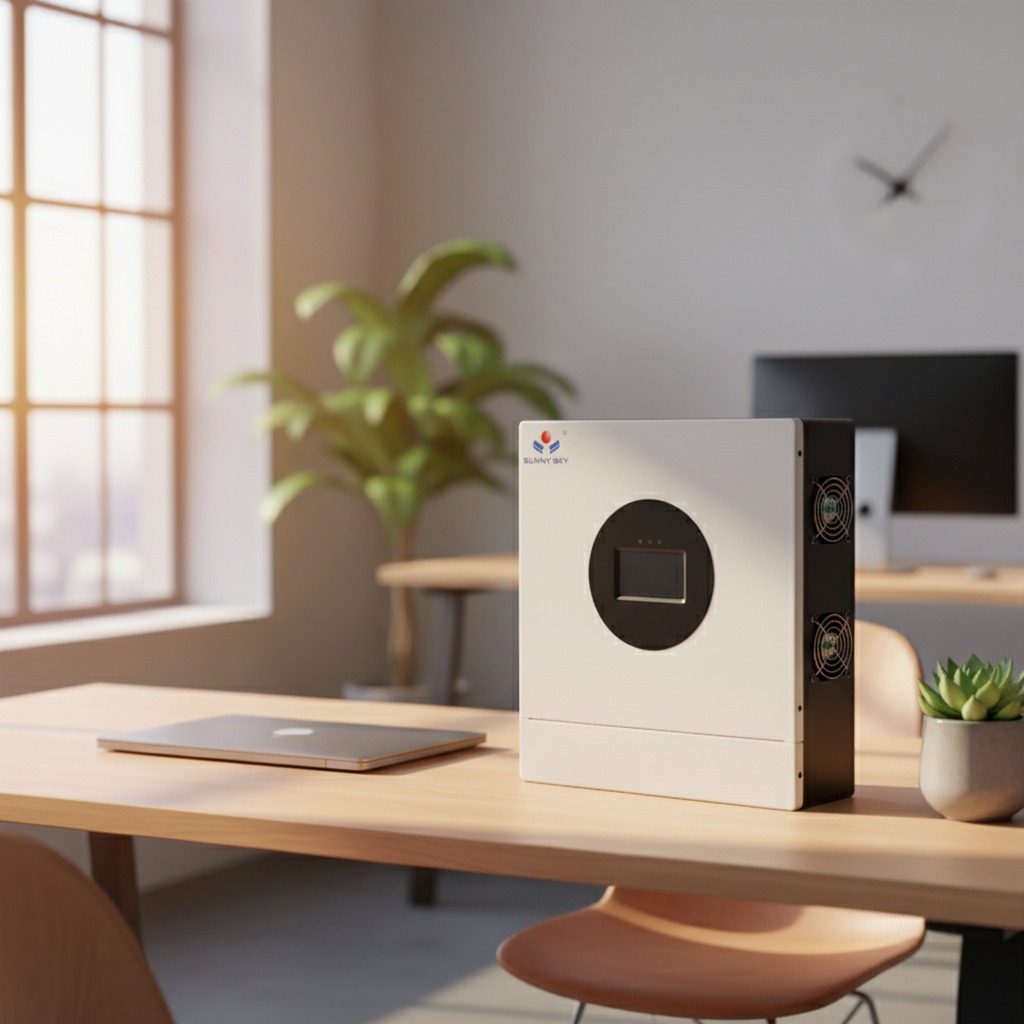
Efficiency is at the heart of any solar investment, and our Split-Phase Inverter Efficiency stands out with its advanced MPPT tracking and pure sine wave output, converting DC from solar panels to AC with minimal losses—up to 98% efficiency under optimal conditions. For residential solar inverters, this translates to more usable energy and lower bills. In this residential case, the homeowner's 10kW solar array paired with the 5KW unit generated 15,000 kWh annually, a 25% increase over their previous setup due to the inverter's superior heat dissipation and robust 48V architecture. Encased in a sleek white body with a central black display panel, the device provided real-time diagnostics, allowing the family to monitor performance via an intuitive interface. This high-efficiency inverter not only reduced energy waste but also extended system lifespan, proving its worth in Off-Grid Solar Solutions where reliability is paramount.
Navigating Installation and Long-Term Benefits
The Inverter Installation Guide for our Best Split-Phase Inverter emphasizes simplicity and safety, with plug-and-play wiring that complies with NEC standards. In our study, professional installers completed the setup in under a day, integrating it with existing Residential Solar Inverters without major rewiring. Post-installation, the system handled variable weather seamlessly, maintaining output during cloudy days through intelligent load balancing. High Efficiency Inverters like ours, backed by SUNNYSKY's patented technologies, have reached over 50 countries, empowering users to cut carbon emissions by an average of 10 tons per household yearly. For this family, the result was a 40% drop in utility costs and energy independence, underscoring our commitment to innovative green energy.
Why Choose SUNNYSKY for Your Solar Journey
At Guangzhou Tianyuan Solar Equipment CO.,LTD, our dedication to R&D ensures products like the 5KW Split-Phase Solar Inverter deliver lasting value. Located just 20 minutes from Guangzhou Baiyun International Airport, we welcome global clients with complimentary pickups to experience our facility firsthand. This case study illustrates how our solutions not only meet but exceed expectations, fostering a sustainable future one home at a time. By choosing SUNNYSKY, you're investing in reliability, performance, and a greener planet.