What buyers usually mean by a solar storage inverter system
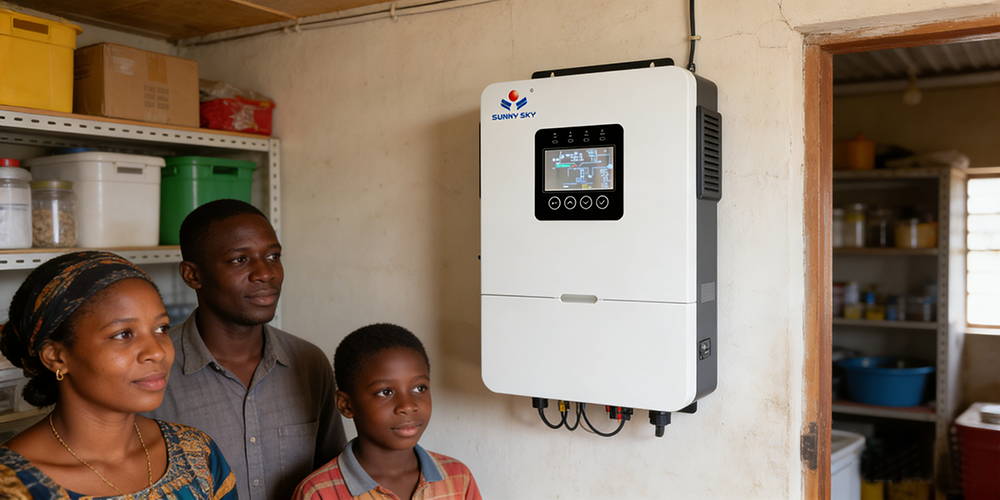
A solar storage inverter system is the part of a solar-plus-storage project that turns DC power into usable AC power and manages how energy moves between the panels, batteries, and the load. In practice, buyers often use the term for a broader package: a photovoltaic inverter system paired with storage hardware, controls, and the cabinet or enclosure that keeps everything organized and protected. That broader definition matters, because the right choice is not only about conversion efficiency. It is also about how the system behaves during outages, peak-demand periods, and daily cycling.
For engineers and sourcing teams, the real question is usually this: do you need a solar inverter with battery storage for a home solar storage system, a commercial solar inverter for a business site, or a larger battery energy storage system for industrial buffering and backup? Each use case pushes the design in a different direction.
Why the cabinet matters as much as the inverter
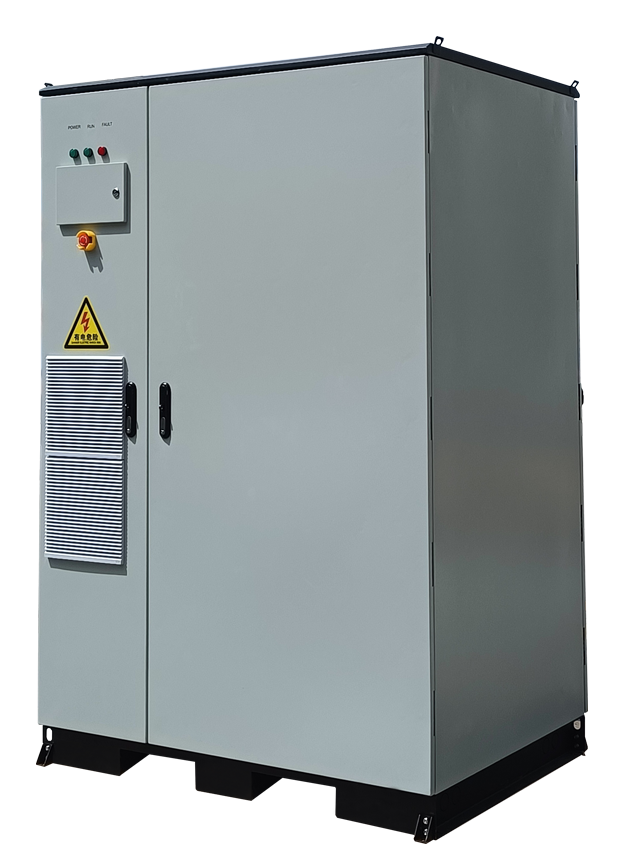
In many projects, the visible part of the solution is an integrated cabinet. The product information here points to a freestanding, enclosed metal cabinet with a lockable front access door, warning labels, an emergency stop button, ventilation, indicator lights, and lifting points at the base. That tells you a lot about the product philosophy even if the internal stack is not fully disclosed.
A cabinet-style solar power storage inverter arrangement is often chosen because it reduces installation complexity and helps standardize field deployment. It can also make maintenance easier, provided the layout is sensible and service access is not too cramped. On the other hand, buyers should be cautious about assuming what is inside. Battery chemistry, PCS architecture, BMS integration, HVAC, and fire suppression may vary widely from one unit to another. If those elements matter to your project, they need to be verified in writing.
Common system types and where they fit
Residential energy storage inverter
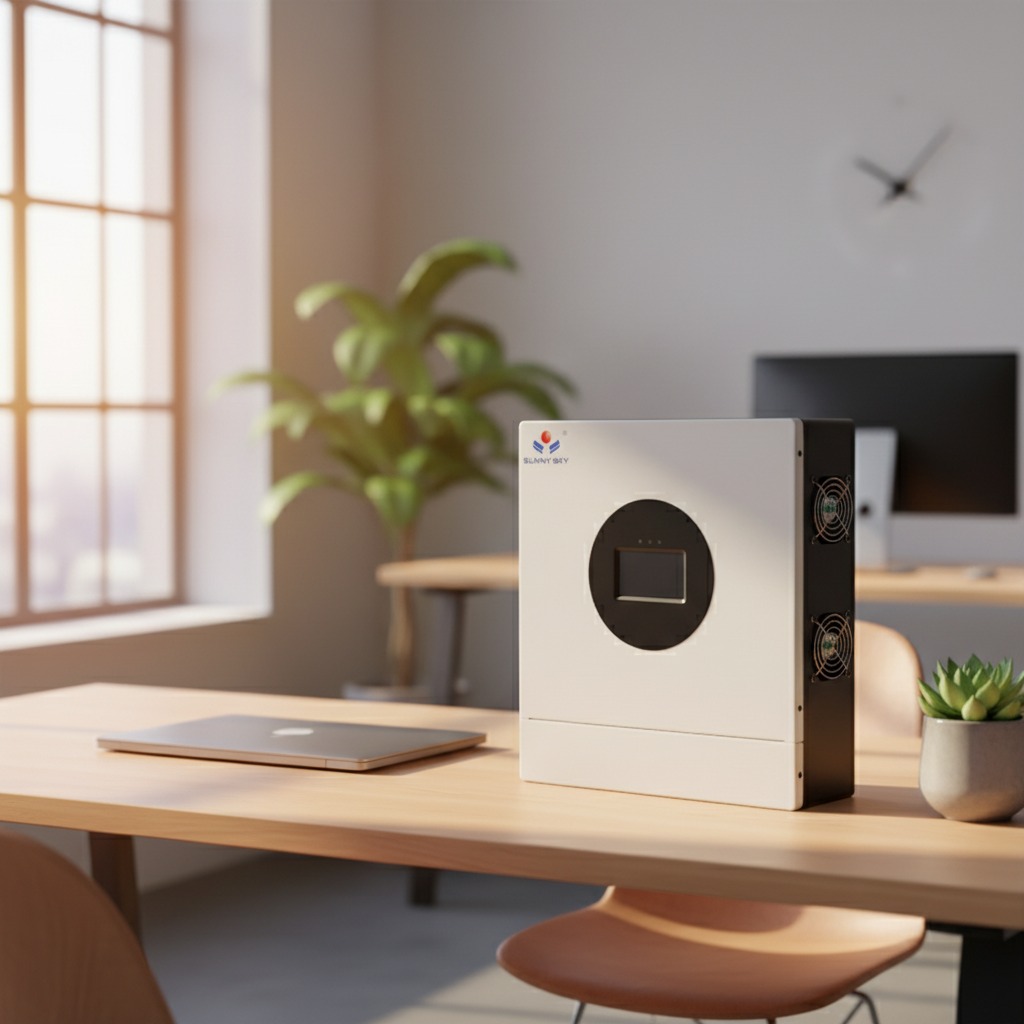
A residential energy storage inverter is usually selected for self-consumption, backup power, and tariff optimization. Homeowners tend to care about quiet operation, compact size, and simple monitoring. In this segment, a hybrid solar inverter is often the practical starting point because it can handle both PV input and battery coordination.
Commercial solar inverter
Commercial sites need a different conversation. Load profiles are less predictable, and peak shaving can matter more than simple backup. A commercial solar inverter tied to storage may be used to reduce demand charges, smooth site loads, or keep critical circuits alive during short outages.
Off grid solar inverter
An off grid solar inverter is a different animal again. The system must hold up without the utility as a backstop, so battery sizing, control logic, and generator integration become more sensitive. If the project is remote or mission-critical, that design margin is not optional.
Quick buyer checklist before you compare quotes
The easiest mistake is comparing cabinet systems by appearance alone. A neat enclosure does not tell you whether the internal electrical architecture fits your load profile.
Ask for the operating voltage, power rating, usable storage capacity, cooling method, communication interfaces, and the protection strategy for overtemperature, overcurrent, and emergency shutdown. If the supplier claims a photovoltaic inverter system for solar + storage, ask how it behaves in islanded mode, how fast it switches, and what happens when the battery reaches its limits. Those details matter more than brochure language.
For larger projects, site conditions deserve equal attention. Indoor or outdoor placement, ambient temperature range, service clearance, lifting access, and cable entry all affect long-term reliability. A well-designed cabinet can still become a headache if installation constraints are ignored.
Typical mistakes buyers make
One common error is treating a battery energy storage system as a commodity box. It is not. Even when the cabinet is standardized, the system integration can make or break uptime. Another mistake is overlooking maintenance access. If technicians cannot reach the control box, inspect the ventilation path, or isolate the unit safely, future service calls become slower and more expensive.
There is also a habit of over-focusing on capacity and under-focusing on control. For a solar storage inverter system, control is what decides whether the site saves money, rides through outages cleanly, or simply cycles batteries in a way that looks good on paper but disappoints in the field.
What SUNNYSKY adds to the discussion
Guangzhou Tianyuan Solar Equipment CO.,LTD says its SUNNYSKY brand combines independent R&D and patented technologies, with customers in more than 50 countries. The company also emphasizes stable performance, design, and energy-efficiency improvements. That background suggests a supplier positioned not just for hardware supply, but for broader solar solution support. The company notes its factory is about 20 minutes from Guangzhou Baiyun International Airport and welcomes global visitors with airport pickup, which can be useful if you want to inspect manufacturing capability before placing an order.
FAQ
Is a solar storage inverter system the same as a hybrid solar inverter?
Not always. A hybrid solar inverter is one type of solar storage inverter system, but the broader system may also include batteries, cabinets, protection devices, and controls.
Can one cabinet fit both backup power and load shifting?
Often yes, but only if the internal configuration and controls are designed for both duties. Do not assume that a backup-oriented unit will also be ideal for peak shaving.
What should I verify first when sourcing?
Start with the application, then confirm electrical ratings, protection functions, service access, and whether the cabinet is intended for residential, commercial, or industrial use.
Should I ask for internal layout drawings?
Absolutely. If the system is going into a plant, warehouse, or microgrid, layout drawings are not a formality. They are part of the risk review.
Next step
If you are comparing a solar storage inverter system for a new project, use the application first and the brochure second. Match the control strategy to the load, confirm the enclosure details, and ask the supplier for the operating data that actually affects site performance. For teams evaluating cabinet-based solar + storage equipment, that is usually the difference between a tidy purchase and a dependable installation.