Solar inverters are at the forefront of the renewable energy revolution, driving the transition towards sustainable power solutions. As we delve into the evolving landscape of energy technology, the hybrid solar inverter stands out as a key innovator, blending traditional and modern energy sources to enhance efficiency and reliability. This trend analysis explores how solar inverters are shaping the future of energy consumption, particularly in residential and commercial sectors. With the global push for greener alternatives, solar inverters have become essential in optimizing solar energy systems, making them more accessible and effective than ever before.
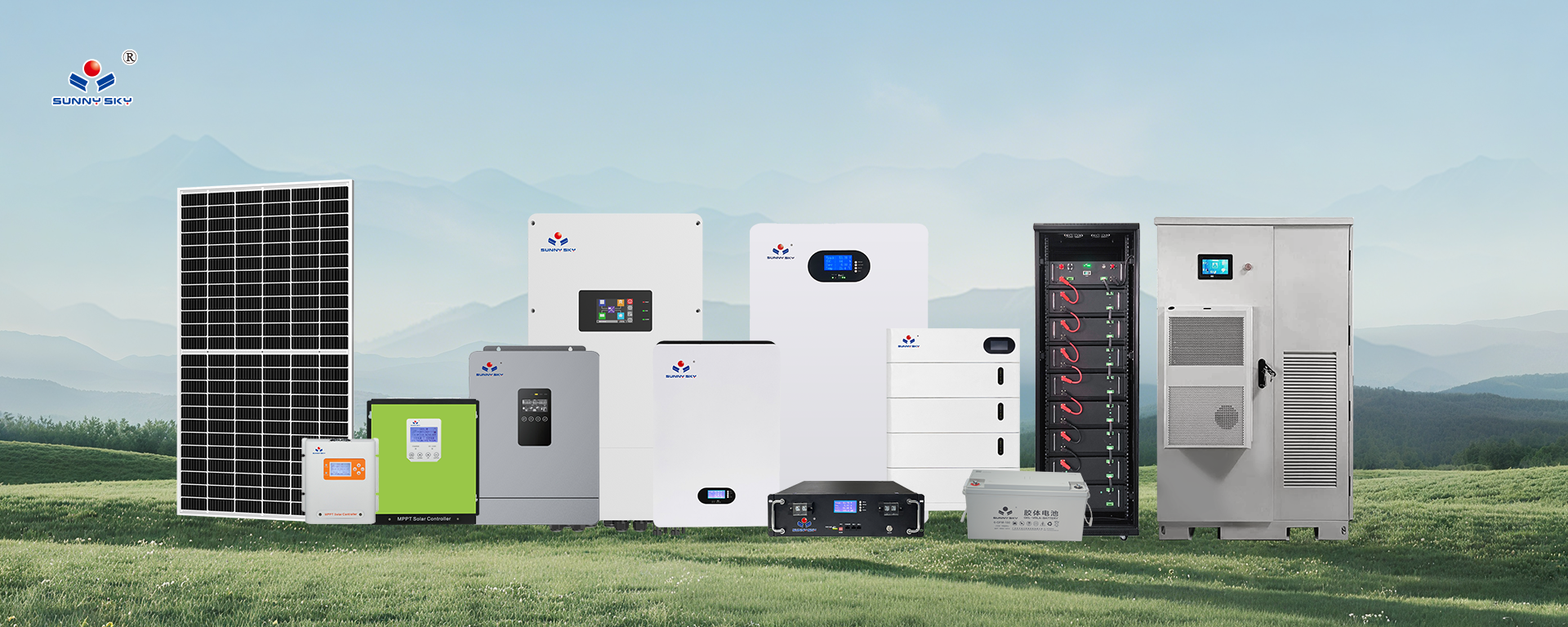
Current Trends in Solar Inverter Technology
The solar inverter market is witnessing rapid advancements, with off-grid solar inverters gaining popularity among those seeking energy independence. These systems allow users to harness solar power without reliance on the grid, ideal for remote areas or as backup during outages. According to recent industry reports, solar inverter efficiency has improved significantly, with many models now achieving up to 98% conversion rates, which minimizes energy loss and maximizes output. Hybrid solar inverters, like the Sunny Sky 6KW model, are particularly trending due to their ability to switch seamlessly between solar and grid power, addressing the growing demand for reliable energy in fluctuating conditions. This shift is fueled by increasing awareness of climate change, pushing consumers towards solar power inverters that offer both environmental and economic benefits. Solar inverter manufacturers are responding by innovating products that integrate smart technology, such as AI-driven monitoring, to predict and optimize energy usage.
The Impact of Solar Inverter Prices and Efficiency on Adoption
Solar inverter price has become a critical factor in widespread adoption, as manufacturers compete to make these devices more affordable without compromising quality. Over the past few years, prices have dropped by nearly 20%, making solar energy inverters accessible to middle-income households. This price reduction is tied to advancements in solar inverter efficiency, where newer models convert more DC from solar panels into usable AC power, directly influencing return on investment. For instance, hybrid solar inverters are now designed for home use, providing a stable power supply even during low sunlight periods by drawing from batteries or the grid. As solar inverter warranty periods extend—often up to 10-15 years—consumers feel more confident in their purchases, further driving market growth. This trend not only boosts solar inverter for home installations but also contributes to global energy trends, where renewable sources are expected to dominate by 2030.
Future Prospects and Innovations in Solar Inverters
Looking ahead, the solar inverter sector is poised for even greater innovations, with a focus on integrating with smart grids and IoT devices to create more efficient energy ecosystems. Hybrid solar inverters will likely lead this charge, offering features like predictive maintenance and real-time data analytics to enhance user experience. As solar inverter manufacturers continue to expand, we're seeing a rise in specialized products tailored for various applications, from off-grid solar inverter setups in rural communities to high-efficiency models for urban environments. The emphasis on solar energy inverter durability and performance is also a key trend, ensuring these devices withstand extreme weather and provide long-term value. With ongoing research into materials and designs, the future holds promise for even higher efficiencies and lower costs, making solar power more viable worldwide. This evolution not only supports individual energy needs but also aligns with broader trends towards sustainability, positioning solar inverters as a cornerstone of the green energy movement.






