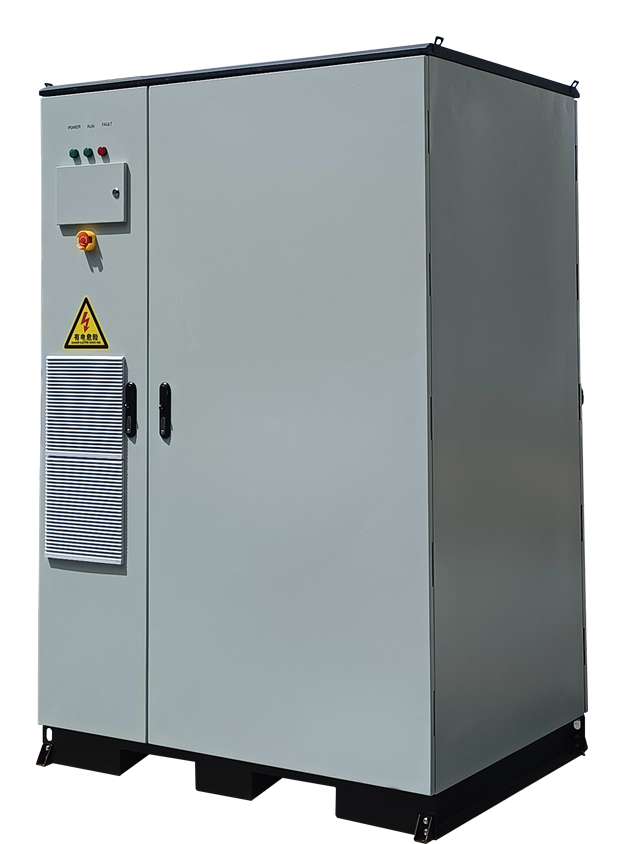
In today's world, where sustainable energy solutions are more crucial than ever, the hybrid solar inverter stands out as a game-changer for homeowners and businesses alike. This innovative device seamlessly combines solar power with energy storage, allowing you to maximize your use of renewable resources and reduce reliance on the grid. Our hybrid solar inverter from Sunny Sky is engineered for superior performance, offering unmatched efficiency and versatility that can transform how you manage power in your daily life.
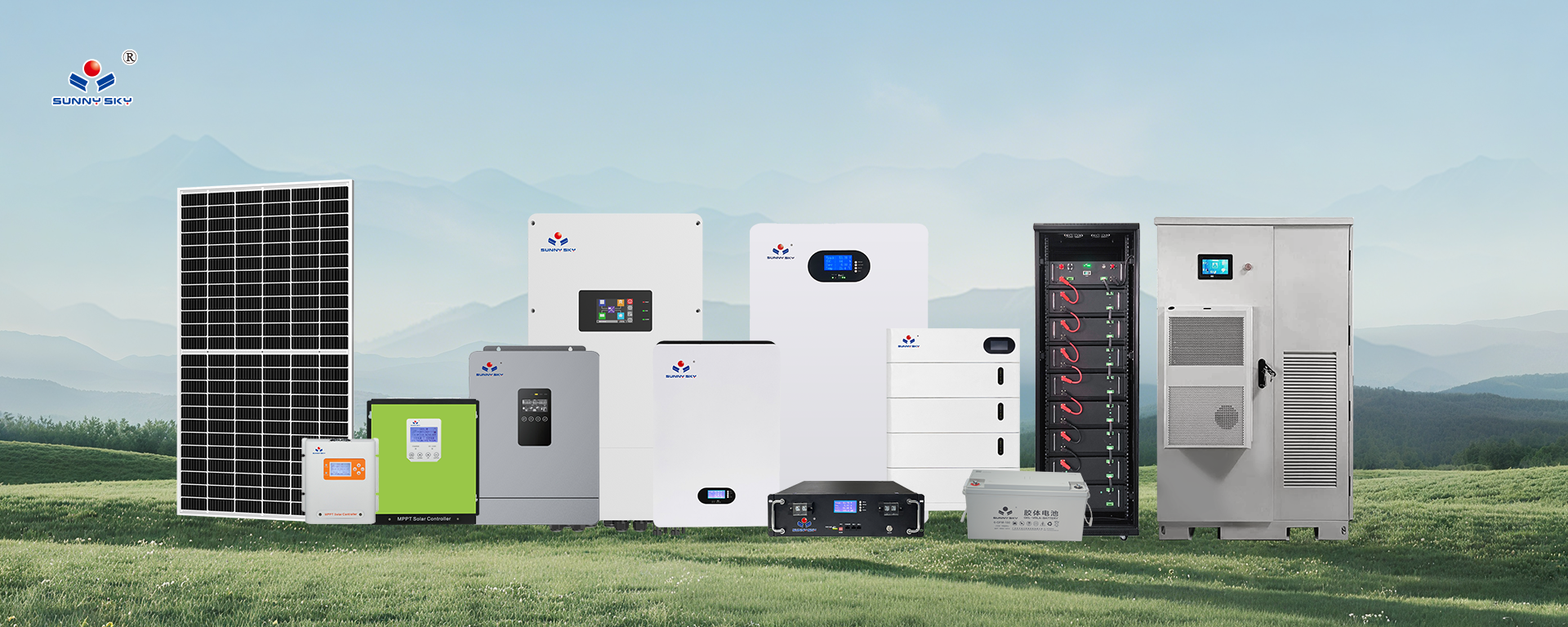
Key Features of Our Hybrid Solar Inverter
The hybrid solar inverter is designed with advanced features that make it a top choice for solar energy storage systems. With dual PV inputs like PV1 and PV2, it efficiently handles solar power from multiple panels, ensuring optimal energy capture even on cloudy days. This setup integrates perfectly with storage solar inverter technology, allowing excess energy to be stored for later use, which is ideal for solar inverter for home applications. Our product also includes multiple AC terminals for robust connectivity, enabling seamless power distribution to various devices. By choosing this inverter, you're not just investing in a product; you're embracing a smarter, more sustainable lifestyle that cuts costs and minimizes environmental impact.
Benefits for Your Home or Business
When it comes to solar energy storage systems, our hybrid solar inverter excels by providing reliable backup through its GEN terminal for generator integration and LOAD output for efficient energy distribution. This means you can enjoy uninterrupted power during outages, making it one of the best hybrid solar inverter options on the market. For those focused on solar power storage inverter capabilities, our device ensures that stored energy from solar battery inverter systems is used wisely, reducing your carbon footprint while saving on utility bills. Imagine a home where energy is managed intelligently, with real-time monitoring via an intuitive LCD display that tracks production, consumption, and storage levels. This persuasive technology empowers users to make informed decisions, promoting long-term savings and eco-friendly living.
Why Our Hybrid Solar Inverter Leads the Industry
In a crowded market of energy storage hybrid inverter products, ours stands out due to its grid-tied capabilities and solar panel inverter with storage features, which allow for easy integration into existing setups. Built with durable, weather-resistant materials, this inverter is ready for any environment, from residential homes to commercial buildings. It's not just about functionality; it's about peace of mind, knowing you're using a product that's precision-engineered for the future. By opting for Sunny Sky's hybrid solar inverter, you're making a smart choice that aligns with global sustainability goals, offering significant returns through energy independence and reduced operational costs. Whether you're new to solar or upgrading your system, this inverter is the key to unlocking a more efficient, greener tomorrow, proving that innovative technology can drive real change in how we power our lives.