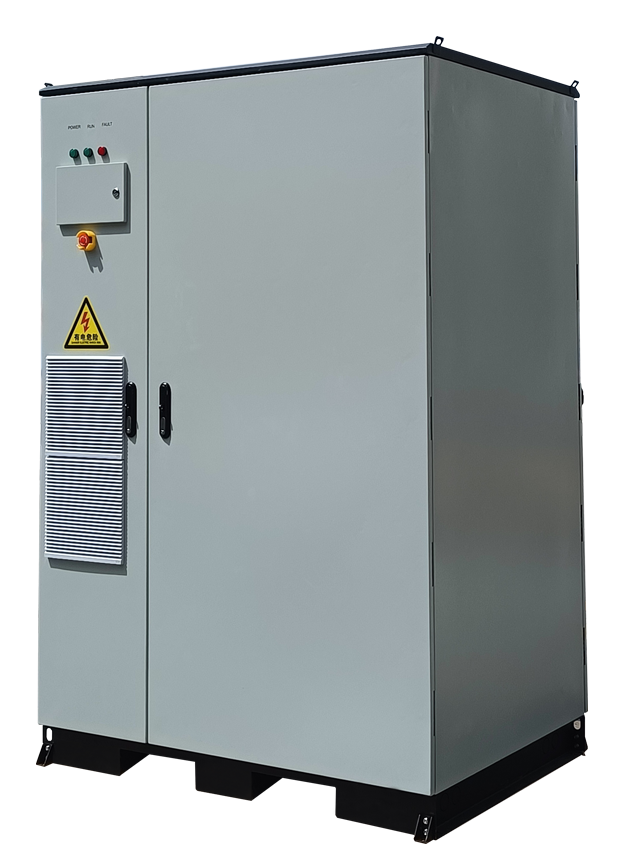
MPPT Solar Charge Controller technology has become essential in addressing the challenges of inefficient solar energy systems. Many users face issues like suboptimal energy harvesting from solar panels, which leads to reduced power output, battery undercharging, and higher costs over time. In homes and businesses relying on solar power, problems such as voltage mismatches, overheating, and poor system monitoring can result in wasted sunlight and shortened battery life, making renewable energy less reliable and more frustrating.

Identifying Common Challenges in Solar Energy Systems
In traditional solar setups, the lack of advanced charging controllers often means that solar panels do not operate at their peak efficiency. For instance, "solar charge controller" inefficiencies can cause energy losses of up to 30%, as systems fail to track the optimal power point under varying weather conditions. This problem is compounded by incompatible battery voltages and limited input ranges, leading to scenarios where "solar battery charger" devices cannot handle diverse solar panel configurations. Additionally, without smart features, users struggle with monitoring and troubleshooting, resulting in undetected faults and inconsistent energy storage. These issues not only increase operational costs but also hinder the adoption of "solar panel technology" in everyday applications.
Implementing Effective Solutions with Advanced MPPT Controllers
To overcome these obstacles, integrating high-quality MPPT Solar Charge Controller models like the TYC series offers a robust solution. These controllers, such as the TYC-40IR up to TYC-120IR, utilize Maximum Power Point Tracking to maximize energy yield by dynamically adjusting to the best voltage and current for your setup. For example, they support multiple battery voltages from 12V to 48V and handle input powers from 570W to 6800W, ensuring "charging controllers" adapt seamlessly to residential or commercial needs. This technology boosts efficiency by up to 30% compared to older systems, directly addressing energy loss and improving "solar energy controller" performance even on cloudy days. Furthermore, features like LED displays for real-time data on battery status and fault queries provide users with easy monitoring, reducing downtime and enhancing system reliability.
Enhancing Long-Term Benefits and Sustainability
Beyond immediate fixes, "smart solar controllers" from the TYC series promote sustainable energy practices by extending battery life and optimizing "energy storage systems". With wide input voltage ranges and compatibility with various battery types, these devices prevent common pitfalls like overcharging or underutilization, making "solar power technology" more accessible. Users can leverage intuitive interfaces for record queries and temperature monitoring, allowing for proactive maintenance and better integration with broader systems. By adopting these solutions, individuals and businesses not only solve current inefficiencies but also future-proof their setups against evolving energy demands, ultimately leading to cost savings and a greener footprint. In summary, the MPPT Solar Charge Controller transforms potential challenges into opportunities for efficient, reliable solar energy management.