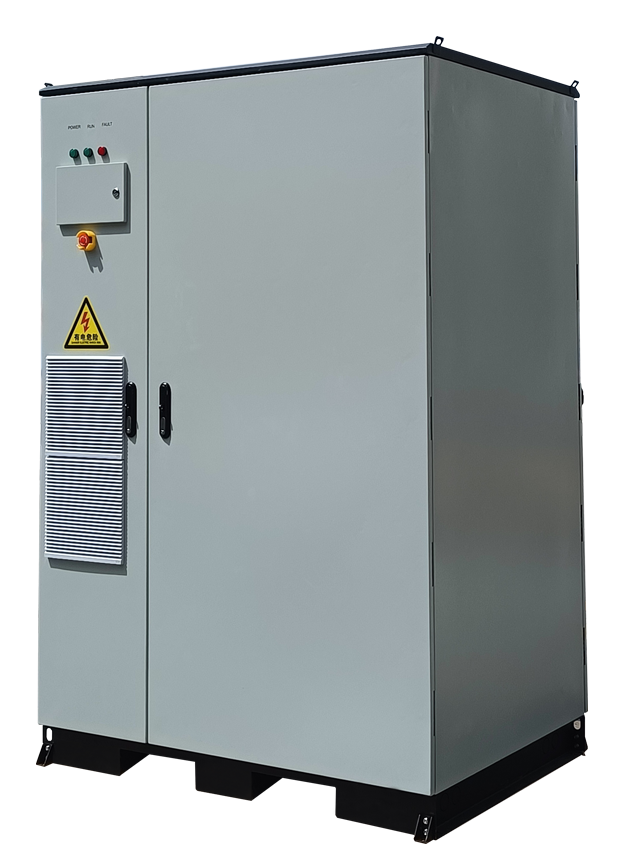
MPPT solar charge controller is a critical component in modern solar energy systems, designed to optimize the energy harvest from photovoltaic panels by continuously tracking the maximum power point. This technology ensures that solar arrays operate at peak efficiency, converting sunlight into usable electricity with minimal losses. As renewable energy solutions gain traction globally, understanding how an MPPT solar charge controller functions can help users maximize their solar investments, particularly in applications like off-grid solar systems and battery management systems.

Understanding MPPT Technology in Photovoltaic Systems
Maximum power point tracking, or MPPT, is a sophisticated algorithm embedded in these controllers that adjusts the electrical operating point of the solar panels in real-time. Unlike traditional controllers, MPPT systems can handle variations in solar irradiance and temperature, making them ideal for solar energy conversion in diverse environments. For instance, in photovoltaic systems, MPPT controllers can boost overall system efficiency by up to 30% compared to older methods. This is achieved through advanced circuitry that matches the panel's output to the battery's voltage requirements, ensuring optimal charging even under suboptimal conditions. Renewable energy solutions like these are essential for sustainable power generation, and MPPT solar charge controller units often integrate seamlessly with various solar battery charging setups to prevent overcharging and extend battery life.
Comparing MPPT and PWM Controllers
Solar charge controller types vary significantly, with MPPT controllers standing out against PWM controllers due to their superior performance in energy conversion. PWM, or pulse width modulation, controllers are simpler and more cost-effective but lack the dynamic tracking capabilities of MPPT systems. In a head-to-head comparison, MPPT vs PWM controllers, the former excels in scenarios with high-voltage panels, as it steps down the voltage while stepping up the current, resulting in higher energy yields. For off-grid solar systems, where reliability is paramount, an MPPT controller's ability to adapt to changing weather patterns makes it the preferred choice. Additionally, battery management systems benefit from the precise control offered by MPPT, which minimizes energy wastage and enhances the longevity of storage components. The TCY Series MPPT solar charge controller, for example, handles 40 to 120 Amperes with 99% efficiency, providing robust protection against overvoltage and short circuits.
Applications and Benefits in Off-Grid and Renewable Energy Setups
In practical applications, MPPT solar charge controllers play a pivotal role in renewable energy solutions for both residential and commercial settings. These devices support parallel connections, allowing for scalable systems that can grow with energy demands, and offer multiple charging modes to accommodate different battery types. For solar energy conversion, the controller's intuitive LED and LCD displays provide real-time data on system parameters, enabling users to monitor and adjust operations for maximum efficiency. Off-grid solar systems, in particular, rely on this technology to maintain stable power supply in remote locations, where grid access is unavailable. The robust build of products like the TCY Series ensures durability against environmental challenges, such as extreme temperatures and humidity, while its protection functions safeguard the entire setup from common issues like reverse polarity. Overall, integrating an MPPT solar charge controller into your photovoltaic systems not only optimizes performance but also contributes to long-term cost savings through enhanced energy capture and reduced maintenance needs.