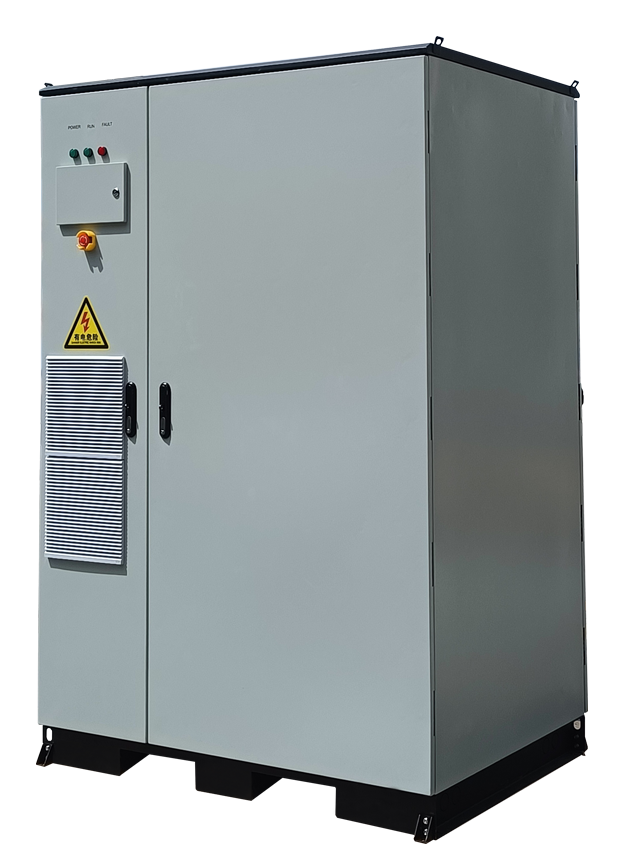
MPPT solar charge controller technology has revolutionized the way we manage solar energy, offering unparalleled efficiency in converting sunlight into usable power. This advanced system ensures that solar panels operate at their optimal voltage, maximizing energy harvest even under varying weather conditions. As renewable energy solutions gain traction, understanding the role of an MPPT solar charge controller becomes essential for anyone looking to enhance their photovoltaic systems.

Exploring Solar Charge Controller Types
Solar charge controller types primarily include MPPT and PWM variants, with MPPT controllers standing out for their superior performance. Unlike PWM controllers, which simply switch the power on and off, an MPPT solar charge controller uses maximum power point tracking algorithms to adjust the electrical operating point of the solar array in real-time. This results in higher efficiency rates, often reaching up to 99%, as highlighted in our cutting-edge MPPT Solar Charge Controller from the TCY Series. Renewable energy solutions like these are crucial for solar battery charging processes, where they prevent overcharging and extend battery life. Photovoltaic systems benefit immensely from this technology, as it adapts to fluctuations in solar energy conversion, making it ideal for both residential and commercial applications.
Advantages of MPPT in Off-Grid Solar Systems
In off-grid solar systems, an MPPT solar charge controller plays a pivotal role in battery management systems by optimizing the flow of energy from panels to batteries. This technology excels in environments with inconsistent sunlight, ensuring that every watt is utilized effectively. For instance, our MPPT Solar Charge Controller supports parallel connections, allowing users to scale their setups for greater energy independence. When compared to PWM controllers in MPPT vs PWM controllers discussions, MPPT options provide up to 30% more power output under the same conditions, thanks to advanced maximum power point tracking features. Solar energy conversion is more efficient with these devices, as they intelligently adjust to different battery types and charging modes, safeguarding against common issues like short-circuiting and overvoltage.
Practical Applications and Future Trends
The versatility of MPPT solar charge controllers extends to various scenarios, from small home installations to large-scale commercial operations. Our product, part of the TCY Series ranging from 40A to 120A, features a sleek LED and LCD display for real-time monitoring, empowering users to make informed adjustments. Renewable energy solutions are evolving, and MPPT technology is at the forefront, driving advancements in solar battery charging and photovoltaic systems. Battery management systems integrated with MPPT capabilities ensure longevity and reliability, reducing maintenance needs in off-grid setups. As solar energy conversion becomes more accessible, the demand for efficient controllers like ours continues to grow, promoting sustainable practices. In summary, investing in an MPPT solar charge controller not only enhances system performance but also aligns with broader goals of energy efficiency and environmental stewardship.