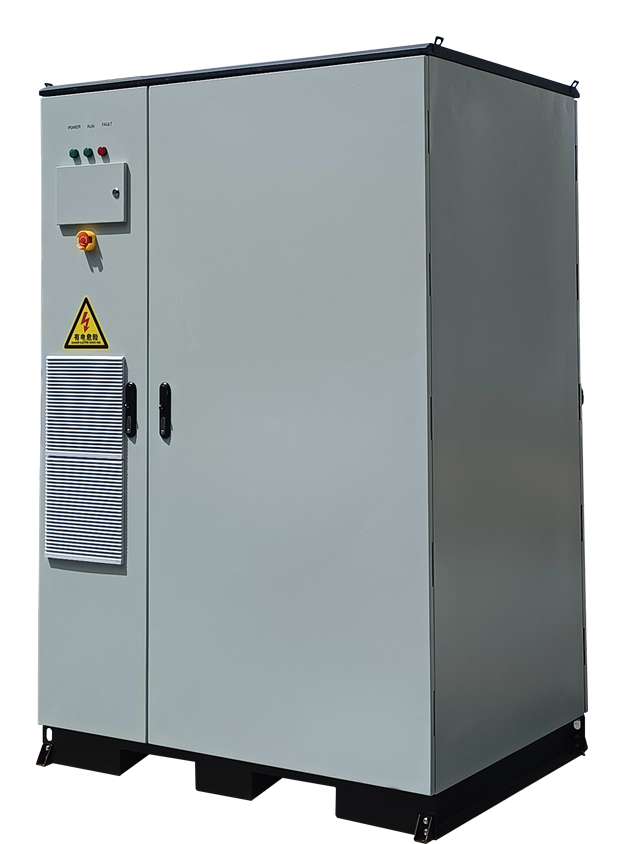
Choosing the right MPPT solar charge controller is a crucial step in building an efficient and dependable solar power system. This essential device acts as the brain of your setup, managing the power flowing from your solar panels to your battery bank. Without a high-quality controller, you risk underutilizing your panels and potentially damaging your batteries, making your investment less effective. This guide will walk you through understanding this technology and how to select the perfect controller for your needs, ensuring you get the most out of every ray of sunshine.

MPPT stands for Maximum Power Point Tracking, a sophisticated technology that optimizes the energy harvest from your solar panels. Unlike older PWM controllers, a high efficiency solar charge controller with MPPT technology intelligently scans the voltage of the solar panel array to find the precise point where it can extract the maximum amount of power. This is especially beneficial in conditions with fluctuating sunlight, such as on cloudy days or during early morning and late afternoon hours. By converting the higher voltage from the panels down to the appropriate battery charging voltage, it simultaneously boosts the current, often resulting in a 10-30% increase in charging efficiency. This advanced energy conversion is what makes an MPPT controller for solar panels a superior choice for any serious solar installation.
When you're searching for the best MPPT solar controller, several key features demand your attention. First, consider the system voltage and current rating, such as a robust 48V 100A or a versatile 60A model, which must be compatible with your solar array and battery bank's specifications. Look for controllers with wide input voltage ranges (e.g., 18-170V) to allow for greater flexibility in your panel configuration. A clear and intuitive LCD display is invaluable for real-time monitoring of voltage, current, and daily energy output. Furthermore, modern controllers offer compatibility with various battery types—including VRLA, lithium, and gel—along with smart connectivity options like WiFi, 4G, and GPRS for remote system management directly from your computer or smartphone.
Whether you're a DIY enthusiast building a small system or an installer looking for an MPPT solar charge controller wholesale solution, finding the right partner is key. Reputable solar charge controller manufacturers will provide detailed specifications, robust warranties, and excellent customer support. When evaluating a solar charge controller supplier, inquire about their testing processes and certifications to ensure you are purchasing a reliable solar charge controller. While solar charge controller pricing is an important factor, prioritizing quality and features will ensure the long-term health and efficiency of your solar system. Leading MPPT solar controller manufacturers offer a range of models, allowing you to find the perfect balance between performance and budget for your specific project.
Investing in a quality MPPT solar charge controller is a direct investment in the performance and longevity of your entire solar power system. By understanding the technology, identifying the essential features for your setup, and selecting a trustworthy supplier, you can ensure that your system operates at peak performance. This smart component is fundamental to harnessing the full potential of renewable energy, providing a stable, efficient, and sustainable power source for years to come. Making the right choice empowers you to maximize your energy independence and reduce your carbon footprint effectively.
Understanding How MPPT Technology Maximizes Your Solar Investment
MPPT stands for Maximum Power Point Tracking, a sophisticated technology that optimizes the energy harvest from your solar panels. Unlike older PWM controllers, a high efficiency solar charge controller with MPPT technology intelligently scans the voltage of the solar panel array to find the precise point where it can extract the maximum amount of power. This is especially beneficial in conditions with fluctuating sunlight, such as on cloudy days or during early morning and late afternoon hours. By converting the higher voltage from the panels down to the appropriate battery charging voltage, it simultaneously boosts the current, often resulting in a 10-30% increase in charging efficiency. This advanced energy conversion is what makes an MPPT controller for solar panels a superior choice for any serious solar installation.
Key Features to Consider When Selecting Your Controller
When you're searching for the best MPPT solar controller, several key features demand your attention. First, consider the system voltage and current rating, such as a robust 48V 100A or a versatile 60A model, which must be compatible with your solar array and battery bank's specifications. Look for controllers with wide input voltage ranges (e.g., 18-170V) to allow for greater flexibility in your panel configuration. A clear and intuitive LCD display is invaluable for real-time monitoring of voltage, current, and daily energy output. Furthermore, modern controllers offer compatibility with various battery types—including VRLA, lithium, and gel—along with smart connectivity options like WiFi, 4G, and GPRS for remote system management directly from your computer or smartphone.
Finding a Reliable Solar Charge Controller Supplier
Whether you're a DIY enthusiast building a small system or an installer looking for an MPPT solar charge controller wholesale solution, finding the right partner is key. Reputable solar charge controller manufacturers will provide detailed specifications, robust warranties, and excellent customer support. When evaluating a solar charge controller supplier, inquire about their testing processes and certifications to ensure you are purchasing a reliable solar charge controller. While solar charge controller pricing is an important factor, prioritizing quality and features will ensure the long-term health and efficiency of your solar system. Leading MPPT solar controller manufacturers offer a range of models, allowing you to find the perfect balance between performance and budget for your specific project.
Making the Smart Choice for Your Energy Future
Investing in a quality MPPT solar charge controller is a direct investment in the performance and longevity of your entire solar power system. By understanding the technology, identifying the essential features for your setup, and selecting a trustworthy supplier, you can ensure that your system operates at peak performance. This smart component is fundamental to harnessing the full potential of renewable energy, providing a stable, efficient, and sustainable power source for years to come. Making the right choice empowers you to maximize your energy independence and reduce your carbon footprint effectively.