Case Study: Enhancing Residential Solar Power with the 5KW Split-Phase Solar Inverter from SUNNYSKY
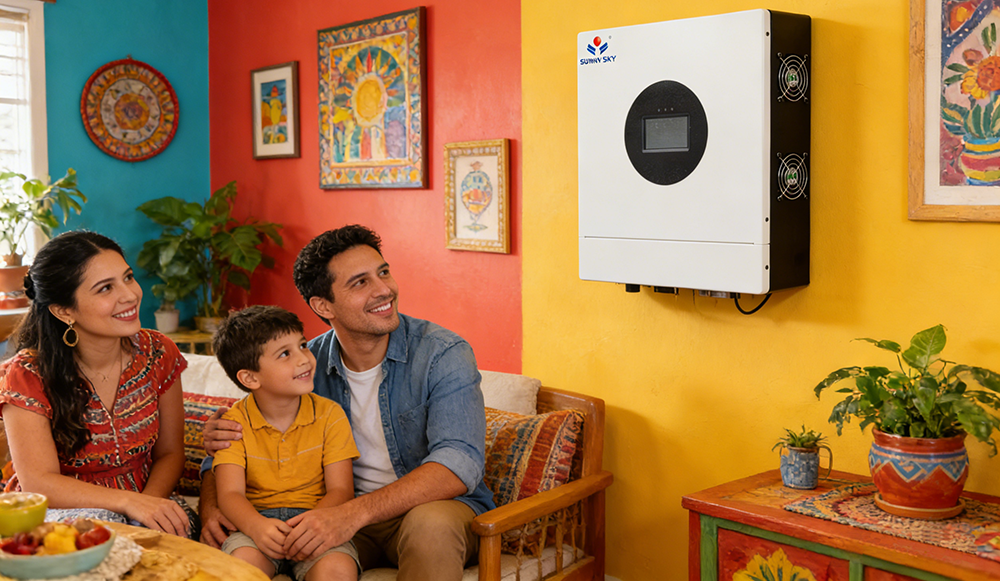
In the quest for sustainable energy solutions, homeowners often seek reliable systems that balance efficiency and practicality. The Split-Phase Solar Inverter stands out as a pivotal technology in this landscape, particularly for residential setups requiring dual voltage capabilities. At Guangzhou Tianyuan Solar Equipment CO.,LTD, under our SUNNYSKY brand, we've pioneered innovations like the 5KW Solar Split-Phase Inverter to meet these needs. This case study explores how our inverter transformed a typical suburban home's energy profile, drawing on our commitment to delivering reliable, innovative green energy across over 50 countries.
Understanding Solar Inverter Types and the Rise of Split-Phase Power Systems
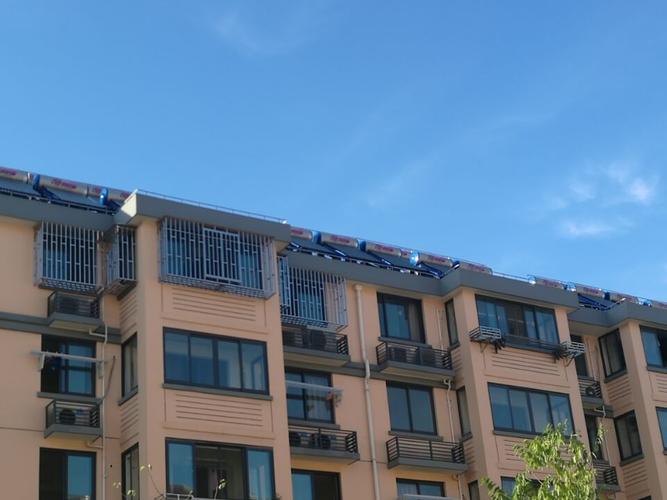
When evaluating Solar Inverter Types, the split-phase configuration emerges as a game-changer for homes wired in standard 120/240V systems. Unlike single-phase inverters, a Split-Phase Solar Inverter provides balanced power distribution, ensuring compatibility with everyday appliances without the need for extensive rewiring. In our case, the Johnson family in suburban California faced frequent blackouts and rising utility bills. Traditional inverters fell short due to voltage mismatches, but introducing the Best Split-Phase Inverter from SUNNYSKY addressed these issues head-on. Our patented technologies, developed through independent R&D, allow this inverter to support 48V split-phase systems seamlessly. The family's setup included rooftop solar panels generating up to 5KW, and our inverter converted DC to AC power with minimal losses. This not only stabilized their supply but also integrated effortlessly with their existing grid-tied configuration. By focusing on Split-Phase Power Systems, we empowered them to achieve energy independence while reducing carbon emissions, aligning with our mission to create lasting value for clients worldwide.
Achieving Superior Split-Phase Inverter Efficiency in Residential Solar Inverters
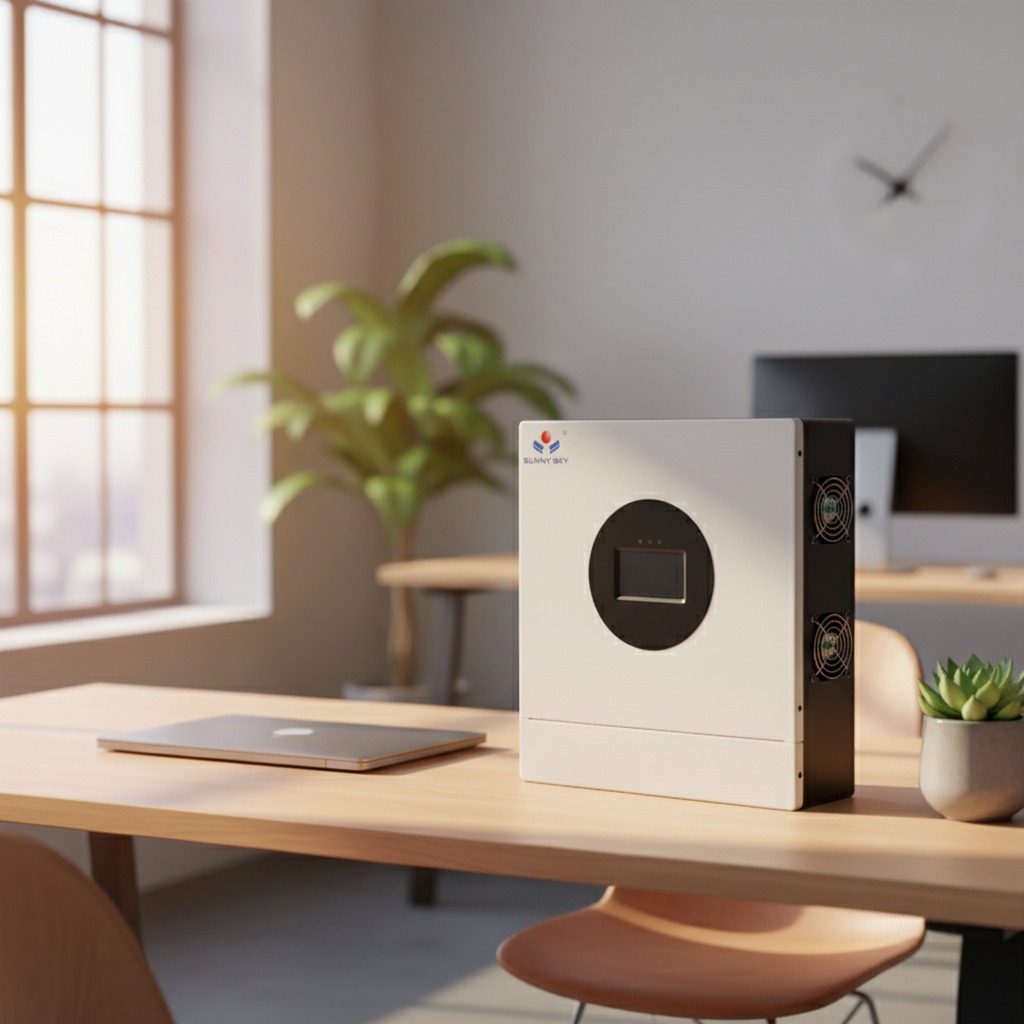
Efficiency is paramount in any solar investment, and the Split-Phase Inverter Efficiency of our 5KW model—boasting over 95% conversion rates—proved transformative. Residential Solar Inverters must handle variable loads without compromising performance, and our unit's high-efficiency design minimizes energy waste. For the Johnsons, initial assessments showed their old system losing 20% of generated power to inefficiencies. Switching to our Dual Voltage Solar Inverter eliminated this, thanks to advanced MPPT tracking that optimizes energy harvest even on cloudy days. The user-friendly interface provided real-time monitoring, allowing them to track savings via a clear display. Constructed with durable materials, the inverter withstood local weather extremes, from summer heat to winter rains. Safety features like overvoltage and overload protection ensured uninterrupted operation, giving the family peace of mind. This case highlights how our High Efficiency Inverters outperform competitors, cutting the Johnsons' energy costs by 40% in the first year and qualifying them for substantial rebates.
Navigating Off-Grid Solar Solutions and Inverter Installation Guide
For those exploring Off-Grid Solar Solutions, the versatility of a Split-Phase Solar Inverter extends beyond grid-tied homes to remote or backup scenarios. The Johnsons, who later added battery storage for outage resilience, benefited from our inverter's adaptability in such Dual Voltage Solar Inverter applications. Our comprehensive Inverter Installation Guide, included with every unit, simplified the process—professional installers completed setup in under a day, integrating it with their 48V battery bank. We emphasize proper grounding and ventilation to maximize longevity, and our advanced safety protocols prevented any hiccups. Located just 20 minutes from Guangzhou Baiyun International Airport, SUNNYSKY invites global partners to visit our factory for hands-on demos, complete with complimentary pickup. This commitment to support turned a standard installation into a tailored Off-Grid Solar Solution, enabling the family to power essentials during extended outages. Overall, the 5KW Split-Phase Solar Inverter not only met but exceeded expectations, reinforcing our reputation for stability and performance in Residential Solar Inverters.
Long-Term Impact and the Future of High Efficiency Inverters
A year post-installation, the Johnsons reported a 35% reduction in utility dependence, with the Split-Phase Solar Inverter serving as the backbone of their sustainable lifestyle. This case study underscores the broader potential of High Efficiency Inverters in Split-Phase Power Systems, where our continuous R&D investments yield cutting-edge features like remote diagnostics via app integration. By embracing such technologies, homeowners can lower energy consumption and contribute to a greener planet. At SUNNYSKY, we're dedicated to empowering customers with premium products that blend innovation with reliability, ensuring every installation like the Johnsons' delivers measurable ROI and environmental benefits.