FAQs on the 12KW Solar Inverter: Your Guide to Efficient Solar Power
What is a 12KW Solar Inverter and Why Does It Matter?
Are you exploring ways to power your home with clean energy? A 12KW solar inverter is a powerful device that converts the direct current (DC) from solar panels into alternating current (AC) usable by household appliances. At Guangzhou Tianyuan Solar Equipment CO.,LTD, our Sunny Sky Hybrid Solar Inverter stands out as a top choice for this, offering seamless integration with solar energy systems. This inverter supports split-phase inverter setups, making it ideal for homes requiring balanced power distribution. With its high-efficiency design, it maximizes output from your panels, contributing to renewable energy solutions that reduce reliance on the grid. Our commitment to innovative solar inverter technology ensures stability and performance, reaching customers in over 50 countries.
How Does the Sunny Sky 12KW Solar Inverter Integrate with Home Systems?
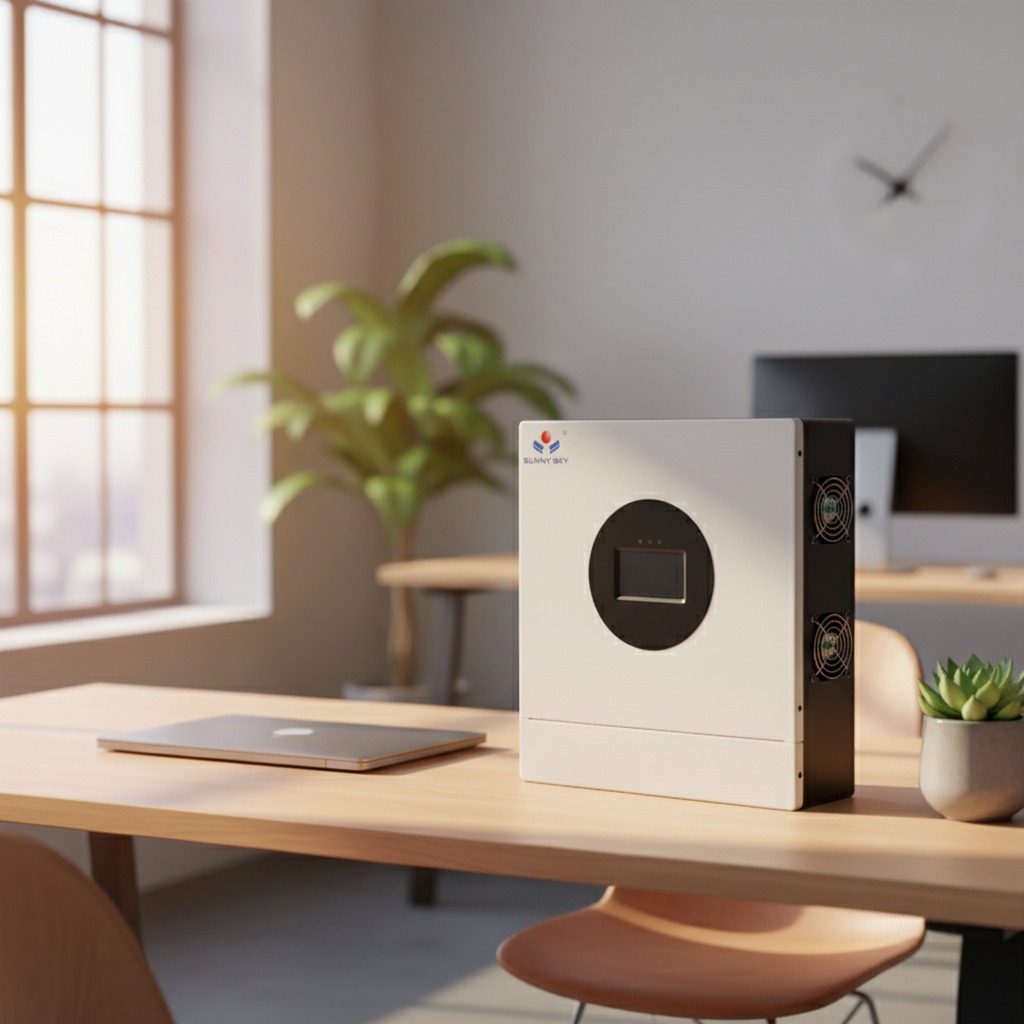
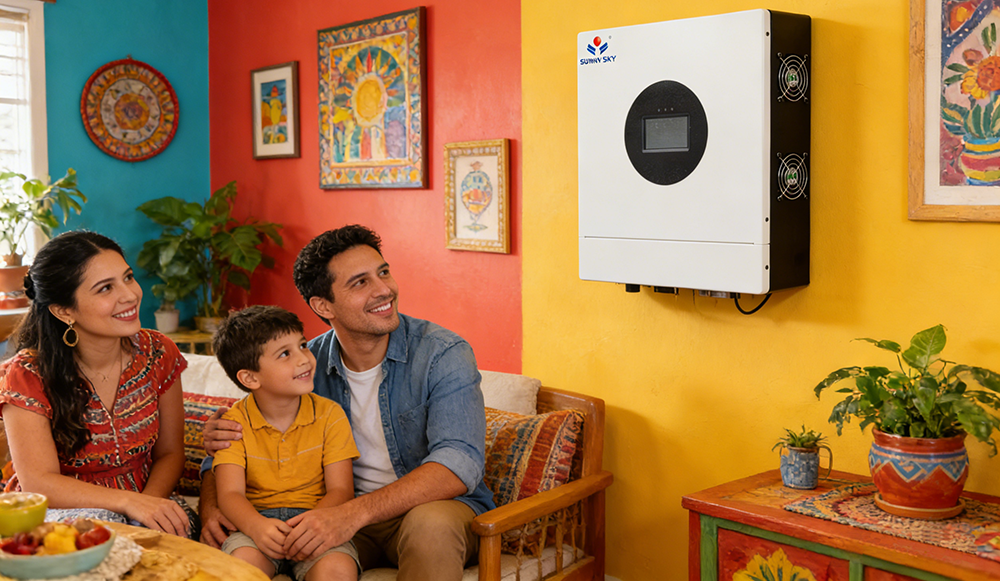
One common question is how a 12KW solar inverter fits into existing setups. The Sunny Sky model excels as an energy-efficient inverter, blending solar power with utility electricity through its hybrid functionality. It supports grid-tie solar inverters, allowing excess energy to feed back into the grid for credits, while its split-phase inverter capability handles 120/240V systems effortlessly. Users appreciate its compact, wall-mounted design in stylish white and black, saving space without compromising aesthetics. Monitoring is straightforward with the intuitive display, showing real-time data on solar energy savings. As part of our renewable energy solutions at SUNNYSKY, this solar power inverter is built with patented technologies, enhancing reliability for modern homes. Whether off-grid or connected, it delivers consistent power, helping lower energy bills and carbon footprints.
What Makes the 12KW Solar Inverter a High-Efficiency Choice?
Efficiency is key when investing in solar tech, so what sets our 12KW solar inverter apart? The Sunny Sky Hybrid is engineered as a high-efficiency solar inverter, boasting advanced solar inverter technology that minimizes energy loss during conversion—often exceeding 95% efficiency rates. It's perfect for larger solar energy systems, handling up to 12KW loads for homes with high demands like air conditioning or EVs. Compared to standard models, this energy-efficient inverter reduces waste, amplifying solar energy savings over time. Our R&D focus at Guangzhou Tianyuan ensures top-tier performance, with features like built-in protections against surges and overheating. Clients worldwide praise its durability, and we're just 20 minutes from Guangzhou Baiyun International Airport—visit us for a demo with free pickup. Embracing this inverter means stepping into sustainable living with confidence.
How Can a 12KW Solar Inverter Save You Money and the Environment?
Savings and sustainability often top the list of concerns. A 12KW solar inverter like the Sunny Sky not only powers your home but optimizes solar energy systems for long-term gains. By functioning as a grid-tie solar inverter, it enables net metering, where surplus power earns you credits, leading to significant solar energy savings—potentially paying for itself in 5-7 years. Its split-phase inverter design ensures even power flow, avoiding imbalances that could hike costs. As a leader in renewable energy solutions, SUNNYSKY's product cuts carbon emissions, aligning with global green goals. The user-friendly controls make adjustments simple, tracking usage to further boost efficiency. With our dedication to "delivering reliable, innovative green energy," this high-efficiency solar inverter empowers you to reduce consumption while enjoying reliable power. For personalized advice, our team is ready to assist.
Common Installation and Maintenance Tips for 12KW Solar Inverters
Installation queries are frequent: how to set up a 12KW solar inverter? Professional installers can mount the Sunny Sky unit in hours, connecting it to panels and your electrical panel for optimal solar power inverter performance. It's compatible with most solar energy systems, but consulting a certified technician ensures safety. Maintenance is minimal—regular dusting and annual checks suffice, thanks to its robust build. Avoid common pitfalls like undersized wiring, which could limit its energy-efficient inverter potential. At Guangzhou Tianyuan, we provide comprehensive guides and support, reflecting our global reach and focus on customer success. Investing in this solar inverter technology means hassle-free operation for years, enhancing your home's value and eco-friendliness.