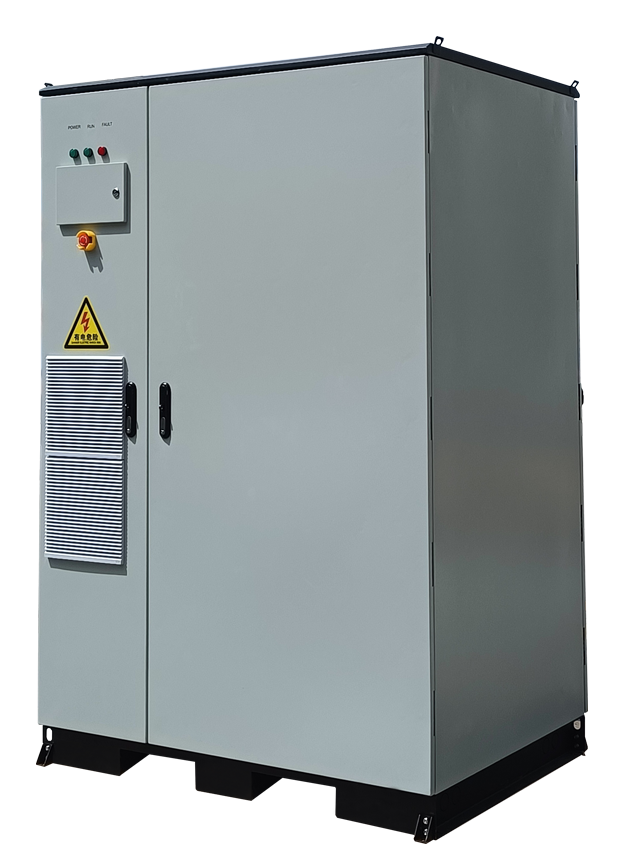
MPPT Solar Charge Controller technology has become essential in modern solar energy systems, but many users face challenges like inefficient energy conversion, compatibility issues with various battery types, and difficulties in monitoring performance, which can lead to wasted power and suboptimal returns on solar investments. In a world where renewable energy is crucial, these problems can hinder the effectiveness of solar setups, resulting in higher costs and lower efficiency for both residential and commercial applications.
Identifying Common Challenges in Solar Energy Management
The primary issue with traditional solar charge controllers is their inability to maximize power from solar panels, often due to fixed charging rates that don't adapt to changing weather conditions or panel outputs. For instance, solar charge controller inefficiencies can cause energy losses of up to 30%, as they fail to track the optimal power point. Additionally, solar battery charger systems might not support a wide range of voltages or battery types, leading to compatibility problems that complicate installations. Moreover, without real-time monitoring, users struggle with charging controllers that don't provide insights into energy storage systems, making it hard to diagnose faults or optimize solar panel technology for better performance.
Exploring Solutions with Advanced MPPT Technology
To address these challenges, the TYC series MPPT Solar Charge Controller offers a highly efficient solution that ensures maximum energy harvest from solar panels. This smart solar controller uses advanced Maximum Power Point Tracking to automatically adjust and optimize the power output, achieving efficiencies over 99% and minimizing energy waste. For example, models like TYC-40IR and TYC-60IR support a broad range of battery voltages from 12V to 48V, making them versatile for different solar energy controller setups, whether for home use or larger solar power technology applications. The intuitive LED display provides real-time data on power output and energy measurements, allowing users to monitor solar charge regulator performance effortlessly and make informed decisions to enhance their systems.
Implementing the TYC Series for Optimal Results
By integrating the TYC series, users can overcome the limitations of basic charging controllers through features like specialized queries for data history and a graphical interface that visualizes charging trends. This solar charge regulator not only supports various battery types, including lithium and lead-acid, but also includes communication options such as 4G and Wi-Fi for remote monitoring via apps, ensuring that energy storage systems are always performing at their best. With input solar power ranging from 570W to 6800W, these controllers adapt to different solar panel configurations, reducing the risks associated with overvoltage or underutilization. Ultimately, adopting an MPPT Solar Charge Controller like the TYC series transforms solar power technology challenges into reliable, efficient energy solutions, promoting sustainability and cost savings in the long run. This approach not only resolves common issues but also empowers users to achieve greater energy independence.