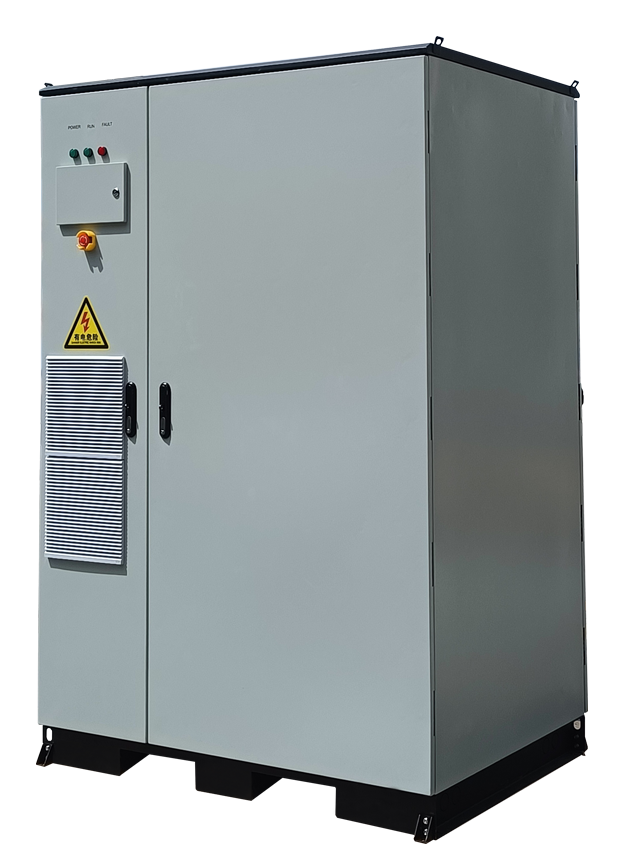
MPPT Solar Charge Controller is a vital technology for anyone looking to maximize the efficiency of their solar energy systems. Many users face the common problem of inefficient energy conversion from solar panels, leading to wasted power and higher costs over time. Traditional charging methods often fail to optimize the output from solar panels, resulting in undercharged batteries and reduced system longevity, which can frustrate homeowners and businesses alike.

Understanding the Challenges in Solar Energy Systems
One major issue with standard solar charge controllers is their inability to adapt to varying sunlight conditions, causing energy losses that can reach up to 30%. For instance, factors like weather changes, panel shading, or improper voltage matching often lead to suboptimal performance in solar battery chargers. This inefficiency not only increases reliance on grid electricity but also accelerates battery degradation, posing a significant hurdle for those investing in renewable energy. Users might experience frequent system downtimes or the need for costly maintenance, which can deter the adoption of solar power technology and make energy storage systems less reliable for daily use.
How MPPT Technology Provides the Solution
The MPPT Solar Charge Controller addresses these challenges by employing advanced Maximum Power Point Tracking algorithms that continuously monitor and adjust to the optimal operating point of solar panels. This innovation ensures that solar charge controllers capture the maximum available power, even in less-than-ideal conditions, effectively solving the problem of energy wastage. For example, by supporting multiple battery voltages like 12V to 48V and handling high input capacities up to 6800W, it seamlessly integrates with various solar panel technology setups. This means users can enjoy enhanced efficiency, with the controller boosting overall system performance by up to 30% compared to traditional models.
Real-World Benefits and Applications
Beyond just efficiency, the MPPT Solar Charge Controller offers practical solutions for everyday solar energy management. Smart solar controllers within this series, such as the TYC models, feature intuitive LED displays that provide real-time data on charging status and battery health, helping users avoid common pitfalls like overcharging or underutilization. This is particularly beneficial for energy storage systems in remote or off-grid locations, where reliable solar charge regulators can mean the difference between consistent power and unexpected failures. By incorporating features like remote monitoring via 4G or WiFi, it empowers users to manage their solar power technology from anywhere, reducing maintenance needs and promoting long-term sustainability. Overall, adopting an MPPT Solar Charge Controller not only resolves efficiency issues but also supports a greener lifestyle, making it an essential component for modern solar setups.
Enhancing Long-Term Reliability and Sustainability
In addressing the broader challenges of solar energy adoption, the MPPT Solar Charge Controller stands out by extending battery life and improving overall system durability. Problems such as inconsistent charging can lead to premature battery failure, but with this controller's high tracking efficiency of over 99%, users experience fewer faults and better energy yields. This reliability is crucial for applications ranging from residential solar battery chargers to commercial charging controllers, ensuring that solar energy controller systems operate smoothly year-round. By minimizing environmental impact and lowering operational costs, this technology not only solves immediate efficiency problems but also contributes to a more sustainable future, encouraging wider use of renewable resources.