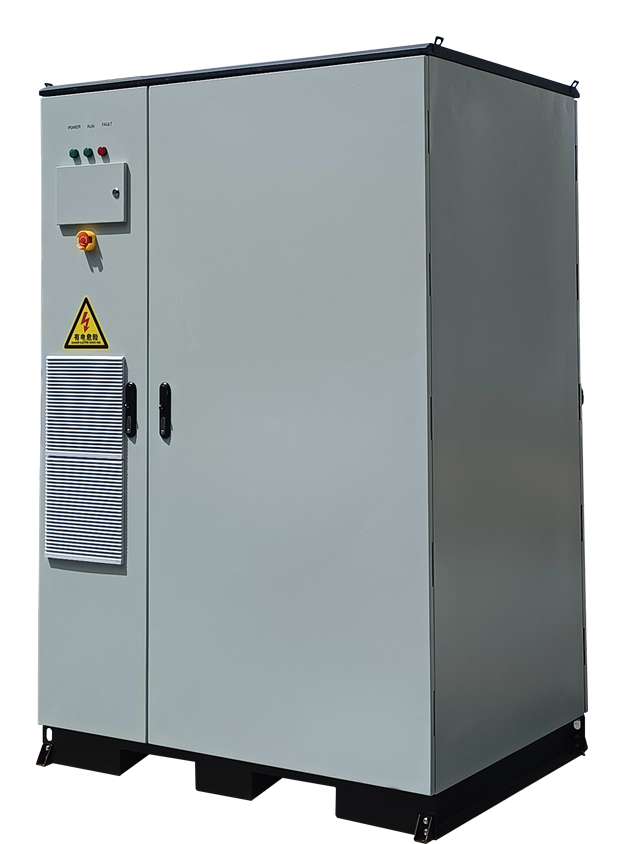
Building an efficient solar energy system requires careful selection of every component, but none is more critical for maximizing power than the MPPT solar charge controller. This device acts as the brain of your solar setup, managing the flow of energy from your solar panels to your batteries. Unlike older technologies, a Maximum Power Point Tracking (MPPT) controller intelligently optimizes the power harvest, ensuring you get the most out of every ray of sunlight. Whether you are setting up a small residential system or a large commercial array, understanding how to choose the right controller is the first step toward energy independence.

The core advantage of an MPPT controller lies in its advanced technology. Solar panels have an optimal operating point, or a 'maximum power point,' where they produce the most electricity. This point fluctuates with changing conditions like sunlight intensity, temperature, and shading. An MPPT controller constantly tracks this moving target and adjusts its electrical input to keep the panels operating at peak efficiency. This process allows a high efficiency solar charge controller to harvest up to 30% more power compared to traditional Pulse Width Modulation (PWM) controllers, especially in cooler weather or under low-light conditions. This significant boost in energy production means faster battery charging and a better return on your solar investment.
Choosing the best MPPT solar controller for your needs involves evaluating several key factors. First, consider the voltage and current ratings. Your controller must be able to handle the total voltage of your solar array (V) and the maximum current it can produce (A). For example, a system might require a robust 48V 100A controller for a large battery bank, while a smaller setup might use a 60A model. It is crucial to select an MPPT controller for solar panels that matches your system's specifications to ensure safety and performance. Secondly, look for user-friendly features. Modern controllers often include an LCD or LED display that provides real-time data on voltage, current, and total energy output. Advanced models even offer remote monitoring capabilities via 4G, WiFi, or GPRS, allowing you to track your system's performance from anywhere. These features help ensure you have a reliable solar charge controller that is easy to manage.
Once you know the specifications you need, the next step is finding a trustworthy source. It is important to work with reputable solar charge controller manufacturers or a dedicated solar charge controller supplier. Established manufacturers invest in quality components and rigorous testing, which translates to a more durable and reliable product with a longer lifespan. When comparing options, consider factors beyond the initial solar charge controller pricing, such as warranty, technical support, and customer reviews. For larger projects or business needs, exploring MPPT solar charge controller wholesale options can provide significant cost savings without compromising on quality. Partnering with experienced MPPT solar controller manufacturers ensures you receive a product engineered for optimal performance.
In conclusion, selecting the right charge controller is a foundational step in designing a successful solar power system. By understanding the technology, evaluating your specific voltage and current needs, and sourcing from a reputable supplier, you can confidently choose the best MPPT solar controller for your application. This investment will not only protect your batteries from overcharging but will also significantly enhance your system's overall energy harvest, bringing you closer to a sustainable and efficient energy future.
Why Choose a High Efficiency Solar Charge Controller?
The core advantage of an MPPT controller lies in its advanced technology. Solar panels have an optimal operating point, or a 'maximum power point,' where they produce the most electricity. This point fluctuates with changing conditions like sunlight intensity, temperature, and shading. An MPPT controller constantly tracks this moving target and adjusts its electrical input to keep the panels operating at peak efficiency. This process allows a high efficiency solar charge controller to harvest up to 30% more power compared to traditional Pulse Width Modulation (PWM) controllers, especially in cooler weather or under low-light conditions. This significant boost in energy production means faster battery charging and a better return on your solar investment.
How to Select the Best MPPT Solar Controller
Choosing the best MPPT solar controller for your needs involves evaluating several key factors. First, consider the voltage and current ratings. Your controller must be able to handle the total voltage of your solar array (V) and the maximum current it can produce (A). For example, a system might require a robust 48V 100A controller for a large battery bank, while a smaller setup might use a 60A model. It is crucial to select an MPPT controller for solar panels that matches your system's specifications to ensure safety and performance. Secondly, look for user-friendly features. Modern controllers often include an LCD or LED display that provides real-time data on voltage, current, and total energy output. Advanced models even offer remote monitoring capabilities via 4G, WiFi, or GPRS, allowing you to track your system's performance from anywhere. These features help ensure you have a reliable solar charge controller that is easy to manage.
Working with Reputable Solar Charge Controller Manufacturers
Once you know the specifications you need, the next step is finding a trustworthy source. It is important to work with reputable solar charge controller manufacturers or a dedicated solar charge controller supplier. Established manufacturers invest in quality components and rigorous testing, which translates to a more durable and reliable product with a longer lifespan. When comparing options, consider factors beyond the initial solar charge controller pricing, such as warranty, technical support, and customer reviews. For larger projects or business needs, exploring MPPT solar charge controller wholesale options can provide significant cost savings without compromising on quality. Partnering with experienced MPPT solar controller manufacturers ensures you receive a product engineered for optimal performance.
Finalizing Your Solar Energy System
In conclusion, selecting the right charge controller is a foundational step in designing a successful solar power system. By understanding the technology, evaluating your specific voltage and current needs, and sourcing from a reputable supplier, you can confidently choose the best MPPT solar controller for your application. This investment will not only protect your batteries from overcharging but will also significantly enhance your system's overall energy harvest, bringing you closer to a sustainable and efficient energy future.