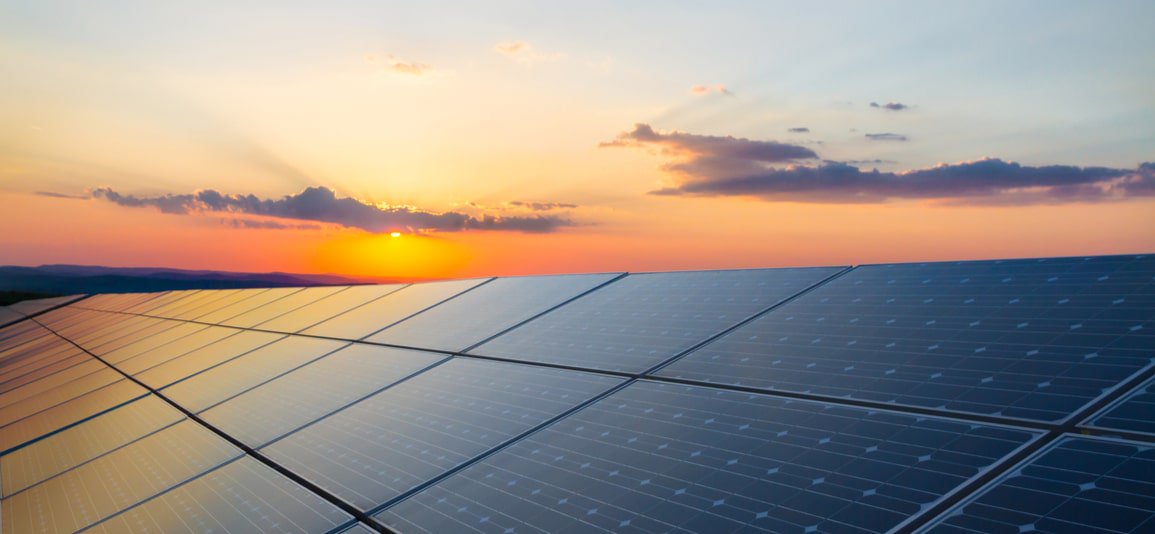
The global shift towards renewable energy has placed a significant spotlight on the world's leading solar panel manufacturers, with a substantial portion of innovation and production originating from Asia. The industry's rapid expansion is largely driven by the advancements and scalability achieved by solar energy companies China, which have effectively redefined the standards for efficiency, cost, and technological sophistication in the photovoltaic sector. This concentration of manufacturing has not only made solar power more accessible but has also accelerated the pace of technological development, benefiting consumers and businesses worldwide.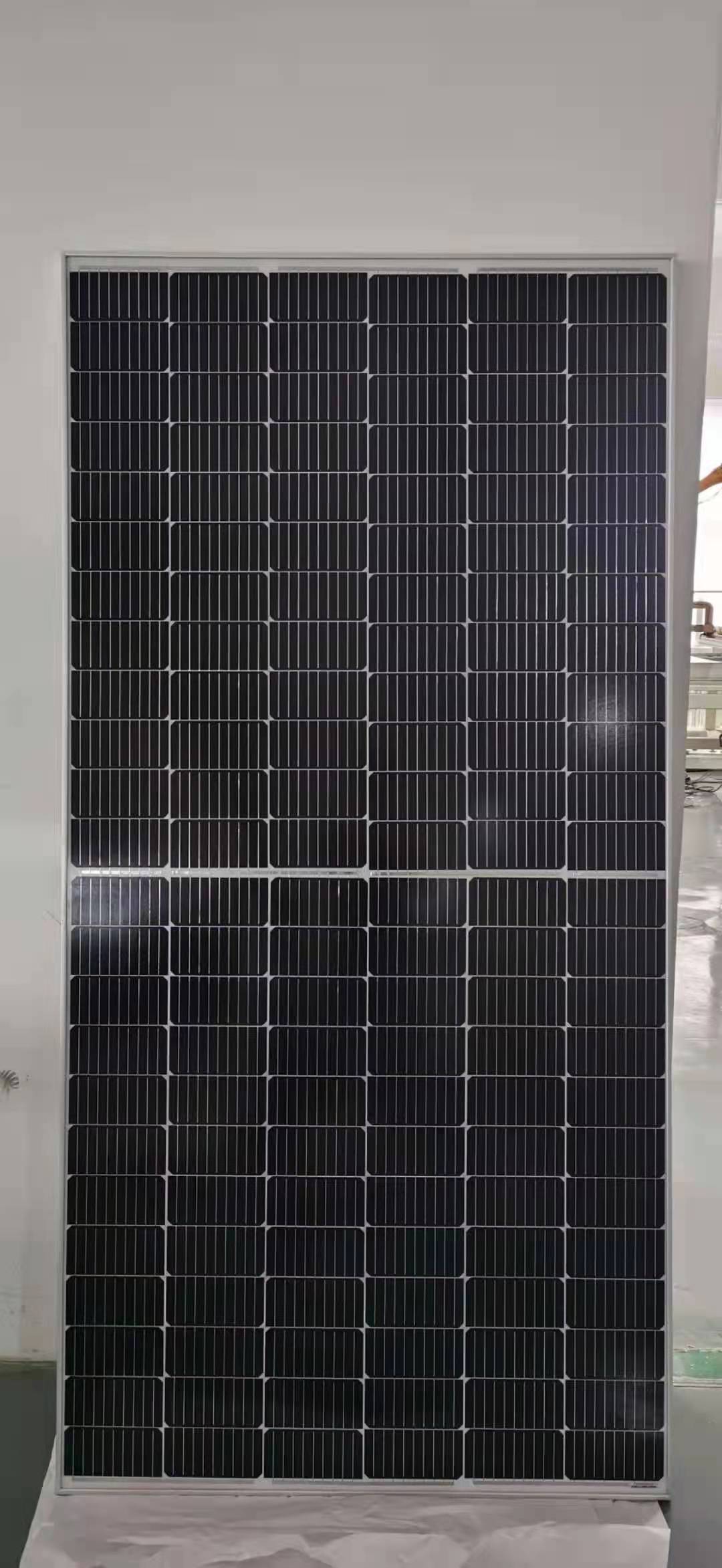
Why China Leads in Solar Panel Production
The dominance of China in the solar market is not accidental but the result of strategic industrial policy, massive investment in research and development, and the creation of a highly efficient supply chain. The sheer scale of solar panel production China has achieved allows for significant economies of scale, drastically reducing the cost per watt. This has been a primary factor in making solar energy competitive with traditional fossil fuels. Furthermore, a supportive government environment has encouraged continuous innovation among China photovoltaic manufacturers, pushing them to develop more efficient and durable products. These renewable energy manufacturers China have established a complete ecosystem, from raw silicon processing to final module assembly, giving them unparalleled control over quality and cost.
Innovations from Solar Technology Manufacturers in China
Modern advancements are a testament to the technical expertise of solar technology manufacturers China. The latest generation of panels often features a high-density cell configuration that maximizes power yield from a minimal installation footprint. A key technology is the use of high-efficiency monocrystalline silicon cells, which deliver superior and reliable performance, even in low-light or overcast conditions. These cells are renowned for their high conversion efficiency, ensuring that more energy is produced from the same amount of sunlight. To enhance durability, panels are framed with robust, weather-resistant materials capable of withstanding harsh environmental conditions, from extreme heat to freezing temperatures. An innovative anti-reflective coating is also a critical feature, enabling optimal sunlight absorption by capturing more photons to convert into usable energy, which is a significant advantage across diverse climates.
Finding the Right Solar Panel Suppliers in China
When sourcing solar panels, many look for cheap solar panels from China, but it is crucial to balance cost with quality and long-term performance. The most competitive pricing is a direct result of efficient, large-scale manufacturing, not a compromise on quality. To ensure you are working with a reputable source, it is important to vet potential solar panel suppliers China by verifying their certifications, such as IEC and UL, which guarantee adherence to international safety and performance standards. Examining product warranties, particularly the power output guarantee over 25-30 years, provides insight into the manufacturer's confidence in their product. The best solar companies in China are transparent about their cell technology, efficiency ratings, and material specifications, empowering buyers to make informed technical decisions.
The Future of Solar Energy and China's Role
Looking ahead, the trajectory of solar energy is intrinsically linked to the ongoing efforts of manufacturers in this region. The focus remains on pushing the boundaries of cell efficiency, exploring new materials like perovskites, and integrating smart technologies for better energy management. China solar panels are set to become even more efficient, durable, and cost-effective, further solidifying solar power's role as a cornerstone of the global green energy transition. The continuous investment in technology and production capacity ensures that these manufacturers will continue to lead the charge towards a more sustainable and energy-independent future for all.