

Hybrid Solar Inverter: Comparing Traditional vs. Advanced Hybrid Solutions
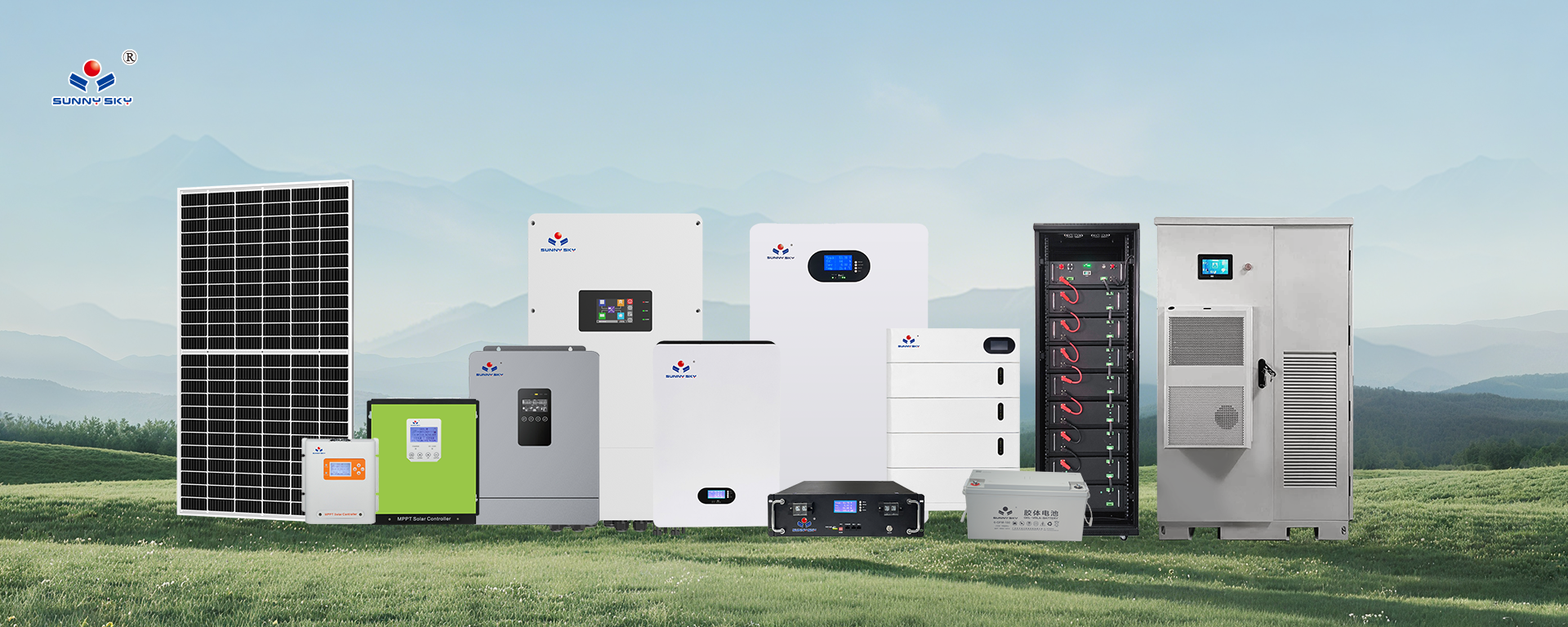
In the evolving world of renewable energy, the hybrid solar inverter stands out as a pivotal technology for homeowners and businesses seeking reliable power solutions. Unlike traditional inverters that solely convert solar DC to AC for grid use, a hybrid solar inverter integrates multiple sources seamlessly, offering versatility in energy management. This comparison explores how hybrid models outperform their conventional counterparts, highlighting features like the Sunny Sky 6KW model that exemplify modern solar inverter technology.
Understanding Hybrid Solar Inverter vs. Standard Inverters
Traditional solar inverters, often grid-tied, excel in simple setups where sunlight directly feeds the home's electrical needs. They are cost-effective for basic installations but falter during outages or low sunlight, lacking battery integration. In contrast, a hybrid solar inverter bridges this gap by combining solar input with grid power and storage batteries, ensuring continuous supply. For instance, the Sunny Sky 6KW hybrid solar inverter features hybrid capability that automatically switches between sources, preventing blackouts—a clear advantage over standard inverters that shut down without grid support. This makes hybrid systems ideal for areas with unreliable power grids, providing resilience that traditional setups simply cannot match.
Hybrid Inverter Installation: Ease and Efficiency Compared
When it comes to hybrid inverter installation, the process reveals stark differences from conventional systems. Standard inverters require straightforward wiring to panels and the grid, but scaling up for storage adds complexity and expense. Hybrid models, however, are designed for plug-and-play integration, supporting both off-grid and on-grid modes from the start. The Sunny Sky 6KW simplifies this with its compact, durable design that withstands various weather conditions, reducing long-term maintenance compared to bulkier traditional units. Installation for a hybrid solar system often takes less time—typically a day for professionals—versus the multi-phase setup of retrofitting batteries to old inverters, saving both money and hassle.
Hybrid Inverter Price and Benefits: Value Analysis
Examining hybrid inverter price points underscores their superior long-term value. Basic inverters might cost 20-30% less upfront, but they miss out on energy independence during peak demand or nights. A hybrid solar inverter like the Sunny Sky 6KW, priced competitively for its 6KW capacity, delivers hybrid inverter benefits such as high efficiency (up to 98%) and real-time monitoring via an intuitive LCD display. This technology not only cuts electricity bills by optimizing solar use but also qualifies for incentives in many regions, offsetting the initial investment faster than traditional options. Users report in hybrid solar inverter reviews that the smart controls and seamless battery integration yield 15-20% more energy savings annually, contrasting with the limited flexibility of non-hybrid systems.
Solar Energy Solutions: Choosing the Best Hybrid Solar Inverter
For those looking to buy hybrid solar inverter options, the decision boils down to balancing features against needs. Traditional inverters suit minimalists with consistent sunlight, but for comprehensive solar energy solutions, hybrids reign supreme. The best hybrid solar inverter, such as the Sunny Sky 6KW, offers advanced solar inverter technology with dynamic displays and user-friendly buttons, making it accessible for residential or commercial use. While standard models provide reliability in sunny locales, hybrids adapt to variable conditions, enhancing overall system performance. Reviews consistently praise hybrids for their quiet operation and expandability, positioning them as the smarter choice for future-proofing your energy setup.
In summary, while traditional inverters hold their ground in simplicity and lower entry costs, the hybrid solar inverter's multifaceted advantages in efficiency, installation ease, and benefits make it the preferred path for sustainable energy. Embracing this technology not only contrasts favorably with outdated methods but also paves the way for a greener, more independent tomorrow.




