Why a hybrid solar inverter has become the center of the modern home energy system
A hybrid solar inverter is no longer just a box that sits between panels and batteries. For many homeowners, small buildings, and system integrators, it is the control point that decides when solar power is used directly, when excess energy is stored, and when backup power should take over. That matters because the wrong unit can make an otherwise good solar setup feel unreliable, noisy, or awkward to manage.
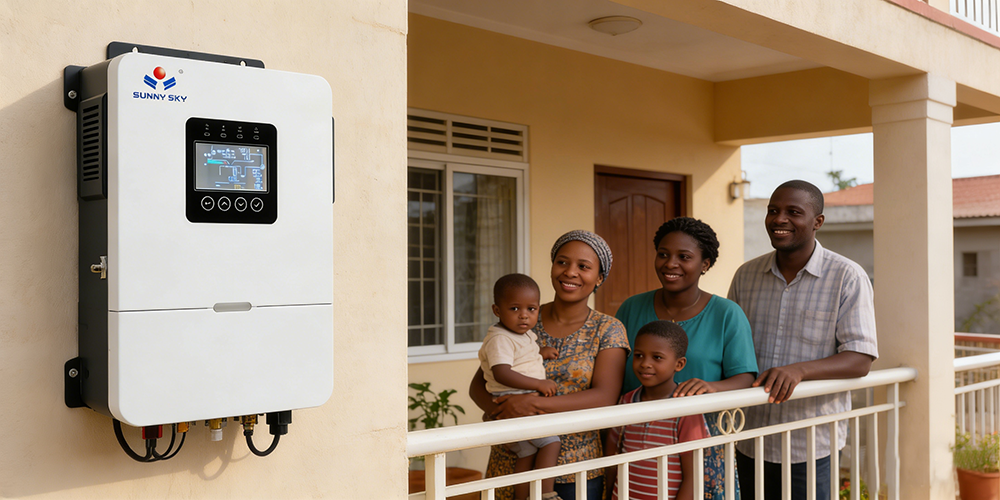
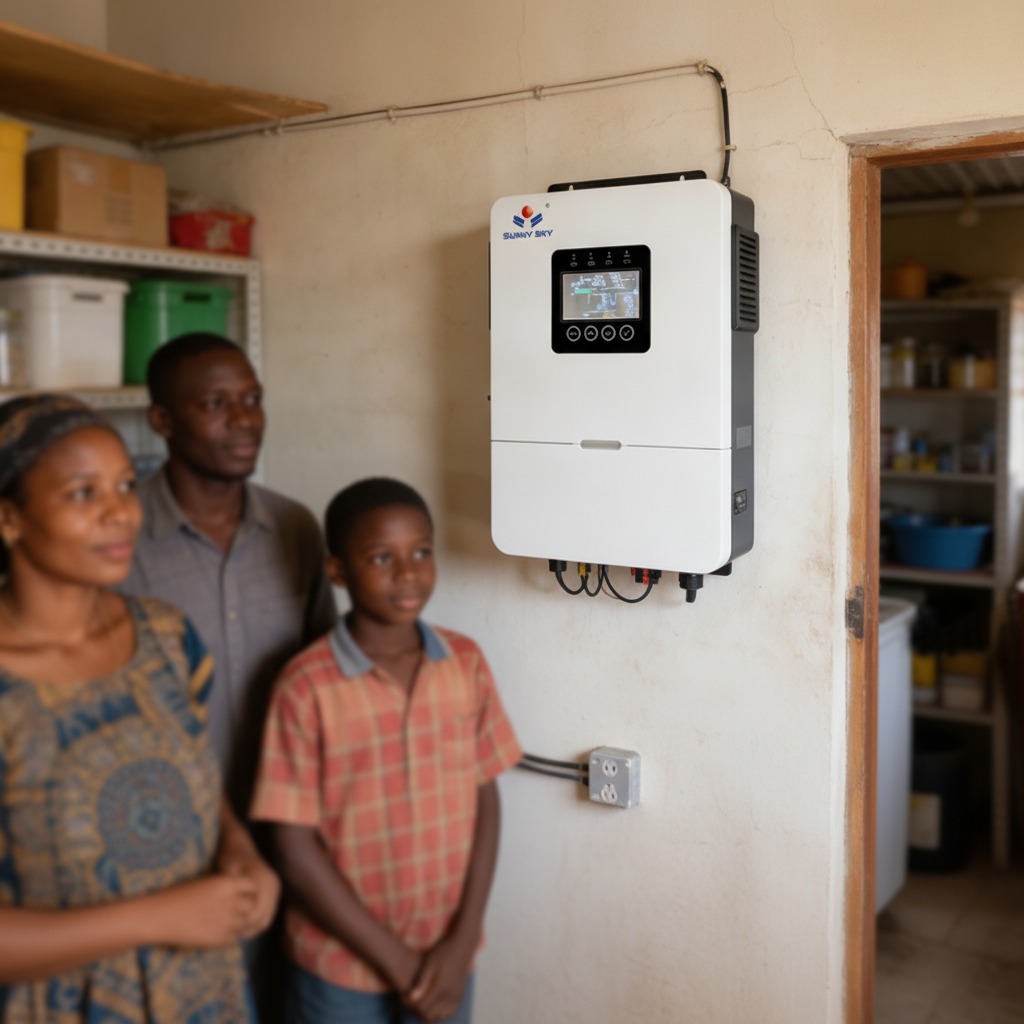
If you are sourcing equipment for a residential or light-commercial project, the real question is not simply “does it convert power?” It is whether the inverter supports the way the site actually uses electricity: daytime self-consumption, evening backup, limited utility interruptions, or a future battery upgrade. A compact wall-mounted control unit with a small digital display, like the type commonly used in utility rooms, reflects that trend toward centralized monitoring and cleaner installation.
What buyers usually want from this category
The best hybrid system does three jobs without drawing too much attention to itself. First, it handles power conversion efficiently. Second, it manages battery charging and discharge in a controlled way. Third, it gives the user a readable status screen so they can tell at a glance what the system is doing. That last point sounds minor until you are standing in a storage room trying to work out whether the battery is charging, the load is too high, or the unit is simply in standby.
The product style described here — wall-mounted, compact, with a digital readout and touch or button controls — is practical for fixed installations. The enclosed wiring and visible conduit routing also suggest a cleaner, more organized fit-out, which engineers and installers usually appreciate. It is not glamorous, but it makes maintenance easier and reduces the chance of a messy afterthought installation.
Where a hybrid solar inverter fits in the system
Solar, storage, and backup in one workflow
In a typical hybrid setup, solar generation is prioritized for immediate loads. Surplus power may go to the battery bank. When solar output drops, the inverter can draw from storage or switch modes depending on how the system is configured. In outage scenarios, the same unit may support backup operation for selected circuits.
That flexibility is why hybrid systems often appeal to buyers who want staged investment. You do not have to build the entire energy system at once. You can start with solar and add storage later, or begin with backup capability and expand as the load profile becomes clearer. A good supplier should be able to discuss those options without overpromising on the first call.
Selection criteria that matter more than marketing language
For sourcing teams, the first filter should be compatibility. The inverter must match the battery chemistry, system voltage, and intended load profile. After that, look closely at thermal management, enclosure design, and readability of the interface. A small display and local controls are useful when remote monitoring is unavailable or when a technician needs to confirm operating status on site.
Installers should also pay attention to physical layout. A wall-mounted unit with a compact footprint can save valuable room in a utility space, but only if cable entry, ventilation, and service access are handled properly. Side ventilation slots are helpful, yet they also mean the unit needs sensible clearance around it. Crowding an inverter into a tight cabinet is a common mistake, and it tends to show up later as heat stress or inconvenient servicing.
Common mistakes buyers still make
The most common error is treating every inverter as interchangeable. They are not. Some are better suited to storage-heavy homes, others to solar-first self-consumption, and some are built more like backup power managers than true hybrid units. Another mistake is overlooking the user interface. If the display is too limited, homeowners may end up guessing at operating mode instead of understanding it.
There is also a temptation to focus only on power size and ignore installation quality. A well-designed enclosure, organized conduit routing, and clear status indication can improve the perceived reliability of the whole energy system. That may sound like a small detail, but in the field, small details are often what separate a clean project from a service call.
Why supplier capability matters as much as hardware
Guangzhou Tianyuan Solar Equipment CO.,LTD positions itself around independent R&D, patented technologies, and a global presence across more than 50 countries. For buyers, that kind of background matters when the project requires more than a box shipment. A supplier that invests in product development is more likely to understand integration, stability, and real-world installation concerns. The company also emphasizes factory visits near Guangzhou Baiyun International Airport, which is useful for overseas buyers who want to inspect manufacturing before committing.
That said, even a strong supplier should be evaluated on the exact unit and application in front of you. Ask for the real configuration, the supported operating modes, and the documentation relevant to your market. Do not assume that a polished exterior tells you everything about the internals.
Practical buying advice for engineering and sourcing teams
If your project includes solar plus storage, ask early whether the inverter is intended for monitoring, charging, backup management, or a combination of those functions. Confirm how the display works in normal operation, what alarms are visible locally, and how the unit is expected to be mounted. For small-building energy systems, that combination of footprint, service access, and clarity often matters more than brochure language.
If you are comparing options, build your decision around system fit first, then software or interface features, and only then cosmetic details. The best hybrid solar inverter is the one that matches the site, the load, and the maintenance plan without forcing the installer to improvise.
Next step
If you are planning a residential or small-building solar storage project, start with the operating scenario you need: self-consumption, backup, or both. From there, request a configuration discussion from the supplier and check whether the wall-mounted control format, display layout, and installation approach suit your site. That simple step can save a lot of rework later.