What a hybrid solar inverter does in a home energy system
A hybrid solar inverter sits at the center of many modern residential power systems because it can help manage energy from solar panels, batteries, and the grid in one cabinet. For homeowners and installers, that matters for a simple reason: the right unit affects how much self-generated power you actually use, how smoothly backup power works during an outage, and how cleanly the system fits into a utility room or garage. A wall-mounted hybrid solar inverter is especially practical in homes where space is limited and the installation needs to look orderly rather than improvised.
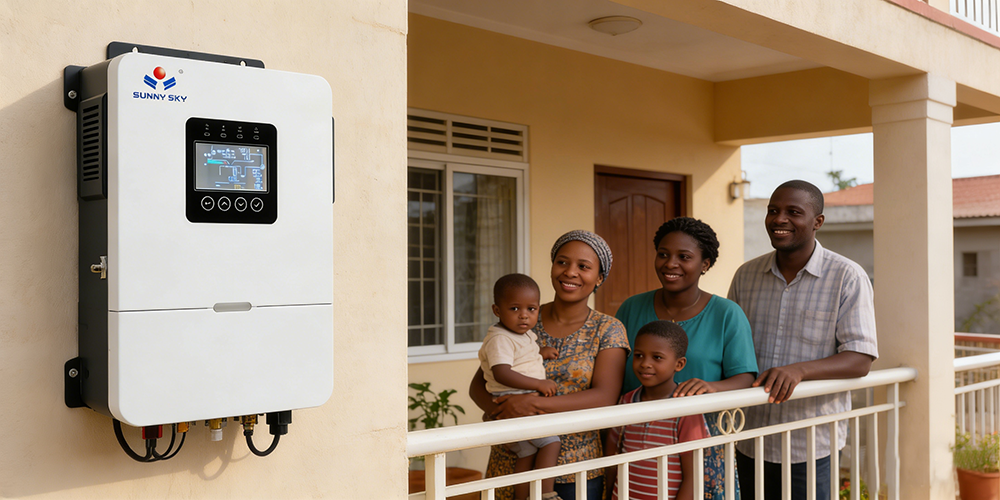
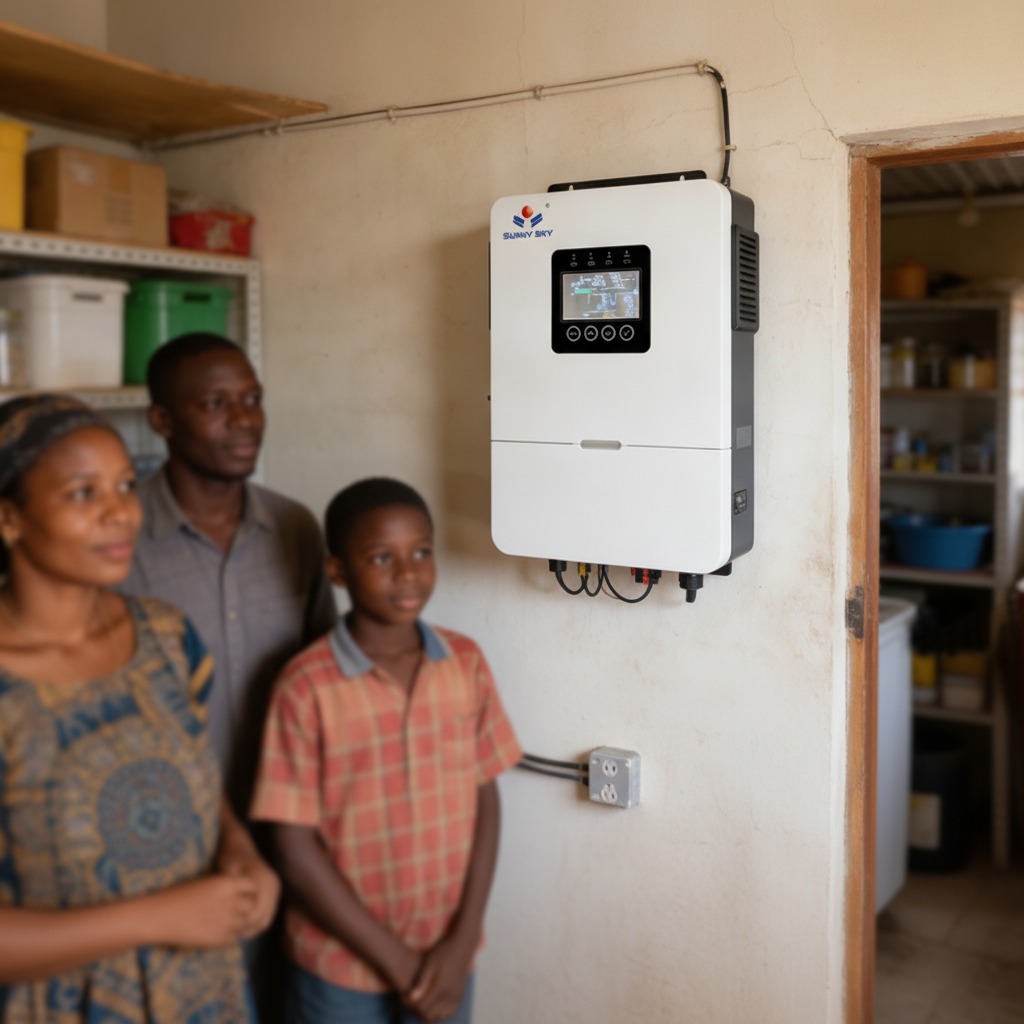
The visible device style described here tells you quite a bit about the use case. A compact, vertically mounted enclosure with a front display, small buttons, and concealed conduit wiring usually signals a fixed electrical appliance designed for routine monitoring and controlled power conversion. That is the sort of equipment buyers compare not only on electrical performance, but also on serviceability, installation layout, and how easy it is for a homeowner to check status at a glance.
Why the physical design matters as much as the electrical spec
In solar projects, engineers often start with wattage and voltage. Fair enough. But in the field, the enclosure can become just as important. A wall-mounted metal or coated housing with side ventilation slots suggests the unit is built to live in a utility space where airflow and access matter. The integrated display is another practical detail; it gives users a quick read on operating status without needing an app or a laptop nearby.
That may sound minor, but installers know the difference between a tidy hardwired system and one that becomes awkward to maintain six months later. Conduit entry at the bottom helps keep the wiring protected and the installation neat, which is often what buyers want in a residential environment. It is also a clue that this is not a casual plug-in box; it belongs in a planned electrical setup.
What buyers usually need to decide before choosing one
Since the exact model, ratings, battery compatibility, and certifications are not visible here, the smarter buying question is not “Which one is best?” but “Which one fits the home and the load profile?” That decision usually comes down to a few practical checks.
1. Solar and battery architecture
Some systems are built to prioritize solar use during the day and battery discharge at night. Others emphasize backup behavior during outages. If the home already has a battery bank or plans to add one later, the inverter must match that architecture. A hybrid solar inverter is attractive precisely because it can reduce the number of separate components, but only if the compatibility is confirmed in advance.
2. Household load pattern
Not every house needs the same power strategy. A small apartment backup system has different demands from a detached home with pumps, HVAC equipment, and heavier evening loads. Buyers should map essential loads first. Otherwise, they end up with an elegant device that does not quite solve the actual problem.
3. Installation location
A wall-mounted unit is easiest to service when it is positioned with enough clearance for heat dissipation and maintenance access. That sounds obvious, yet cramped utility rooms remain common. Side ventilation slots are useful, but they are not magic. Good placement still matters.
What the Guangzhou Tianyuan Solar Equipment approach suggests
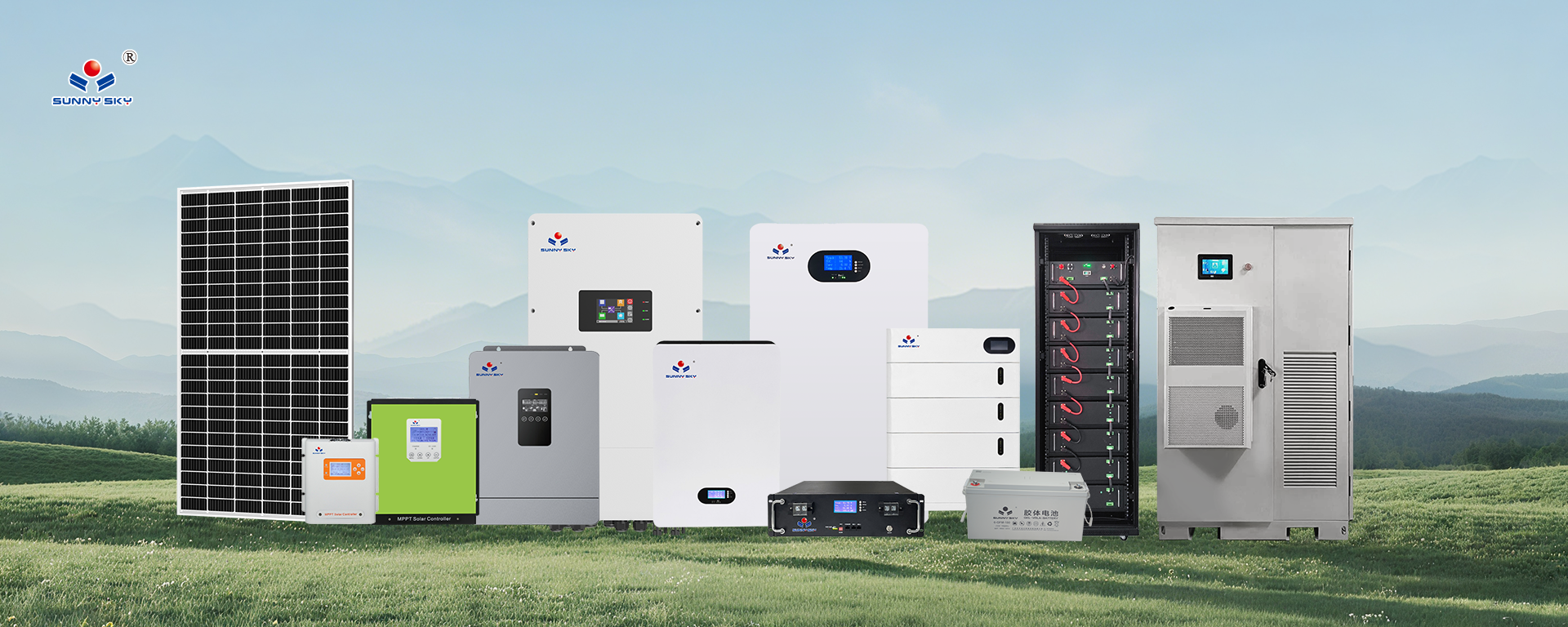
Guangzhou Tianyuan Solar Equipment CO.,LTD presents itself as a manufacturer with independent R&D and patented technologies, serving customers in more than 50 countries under the SUNNYSKY brand. The company says it focuses on stability, performance, and design, and that it continues investing in R&D to improve energy efficiency and reliability. For sourcing teams, that combination usually points to a supplier that wants to compete on product development as much as on production capacity.
The company also highlights factory visits and airport pickup near Guangzhou Baiyun International Airport, which is a useful operational detail for overseas buyers who prefer on-site evaluation before committing to a program. That does not replace technical due diligence, of course, but it does make the vendor easier to inspect if you are comparing suppliers in person.
Common mistakes in hybrid inverter sourcing
The biggest mistake is assuming all hybrid units behave the same once they are installed. They do not. Control logic, monitoring features, battery interaction, and backup switching behavior can vary a lot. Another common problem is underspecifying the application: a buyer says “home solar backup,” but never clarifies whether the system must run essential loads only or support broader household operation.
There is also the matter of enclosure fit. Buyers sometimes focus on the electrical diagram and forget the actual installation environment. A neat residential utility space calls for compact hardware, clear conduit routing, and easy visual status checking. This product style appears suited to that kind of setting, which is one reason it may appeal to installers working on modern home energy systems.
Practical next step for buyers and project teams
If you are evaluating a hybrid solar inverter for a residential project, start by confirming the electrical match, then verify the physical fit, then ask how monitoring and backup behavior are handled. That order saves time and prevents expensive rework.
For sourcing discussions, request the exact model datasheet, supported battery and PV configurations, protection functions, and installation requirements before treating any unit as a final option. If the application is a home backup system, make sure the intended load list is clearly written down. The hardware should follow the use case, not the other way around.
If you want to review a wall-mounted solar power solution with a compact footprint and integrated display, SUNNYSKY’s residential-oriented equipment is worth a closer technical look—provided the formal specifications line up with your project requirements.