Why a hybrid solar inverter matters when you are planning backup power
A hybrid solar inverter is often the piece of equipment that decides whether a home or small facility uses solar power intelligently, or merely stores up avoidable complexity on the wall. It sits between panels, batteries, the utility supply, and the loads you actually care about, managing how electricity moves in real time. For engineers and sourcing teams, that makes it more than a box with a display. It is the control point for resilience, bill reduction, and day-to-day stability.
The practical question is not simply whether solar is available. It is whether the system can switch between sources cleanly, charge storage when it makes sense, and keep critical circuits alive when the grid drops out. That is where a hybrid design earns its place. It combines conversion and control in one cabinet-style unit, which can simplify installation compared with separate inverter and charger hardware, though the tradeoff is that the equipment choice becomes more consequential.
What the wall-mounted control unit tells buyers at a glance
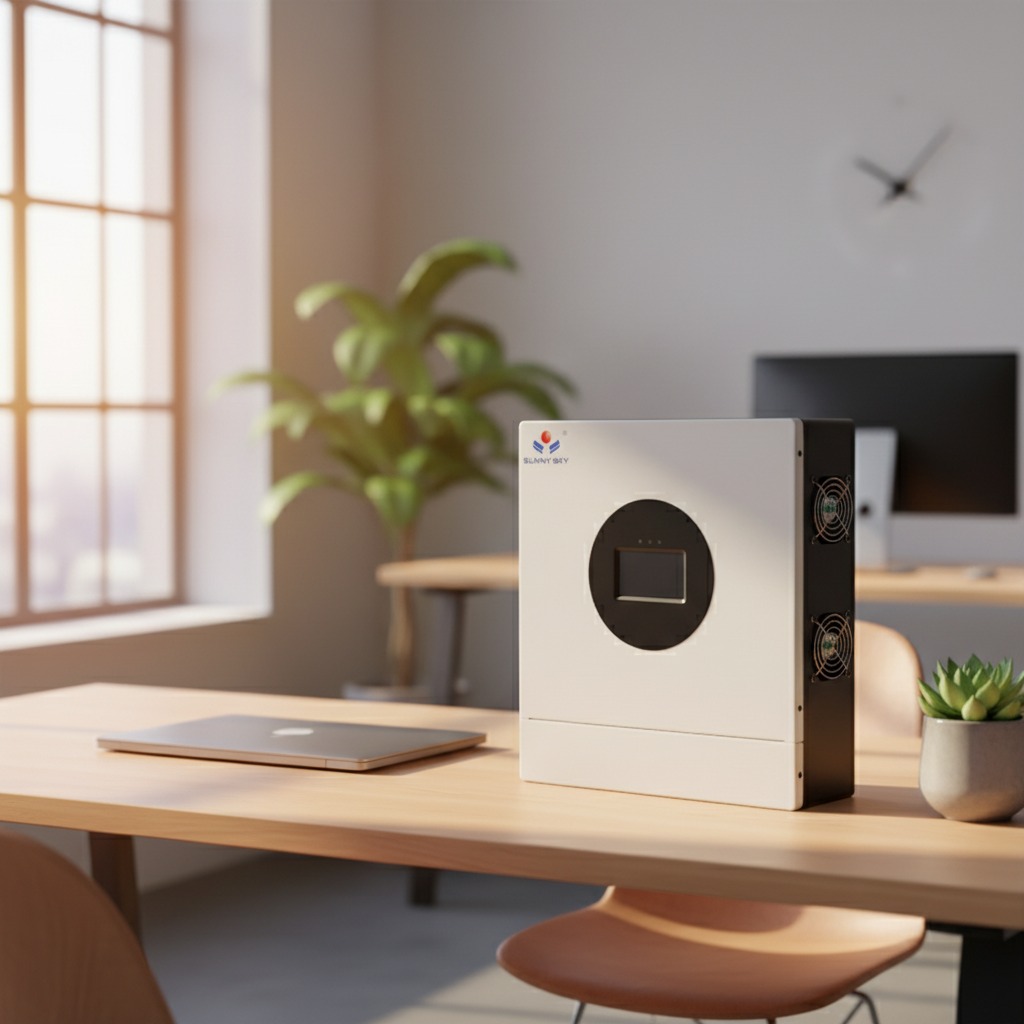
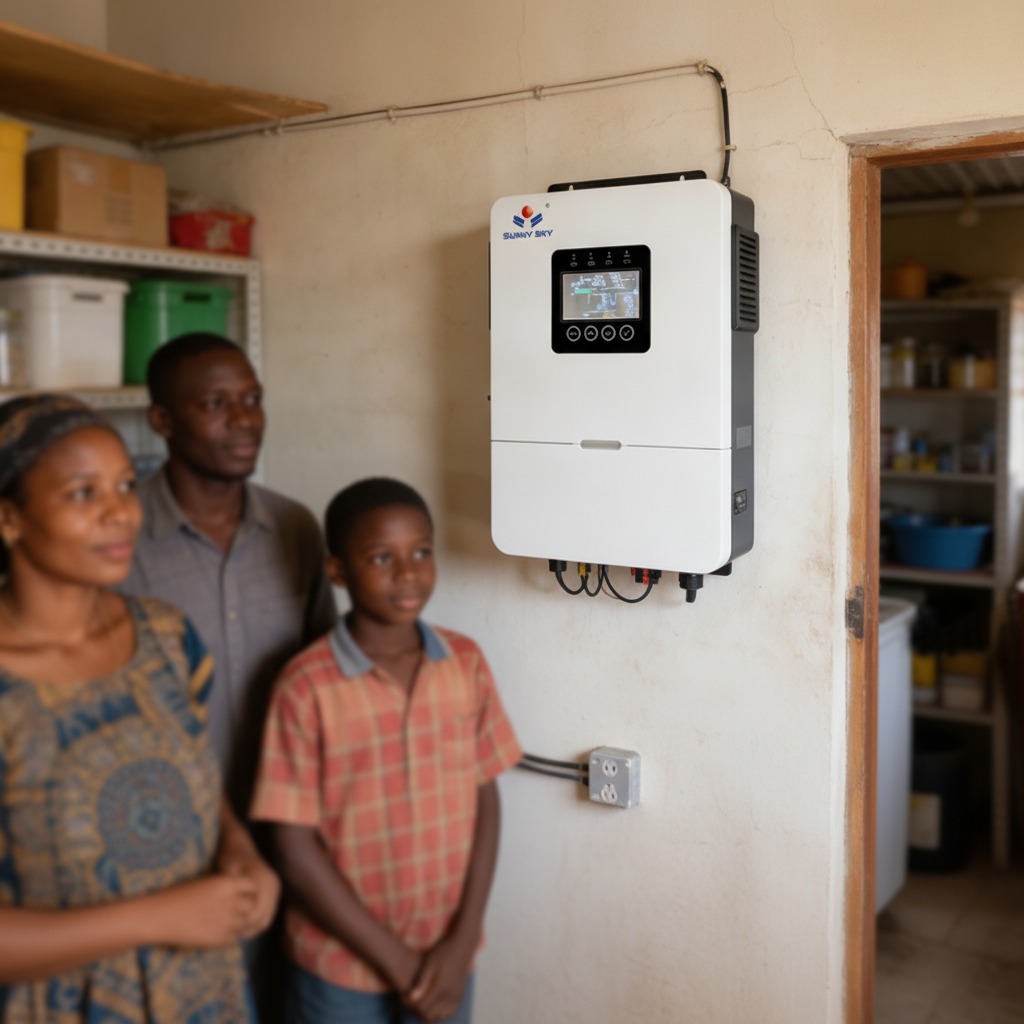
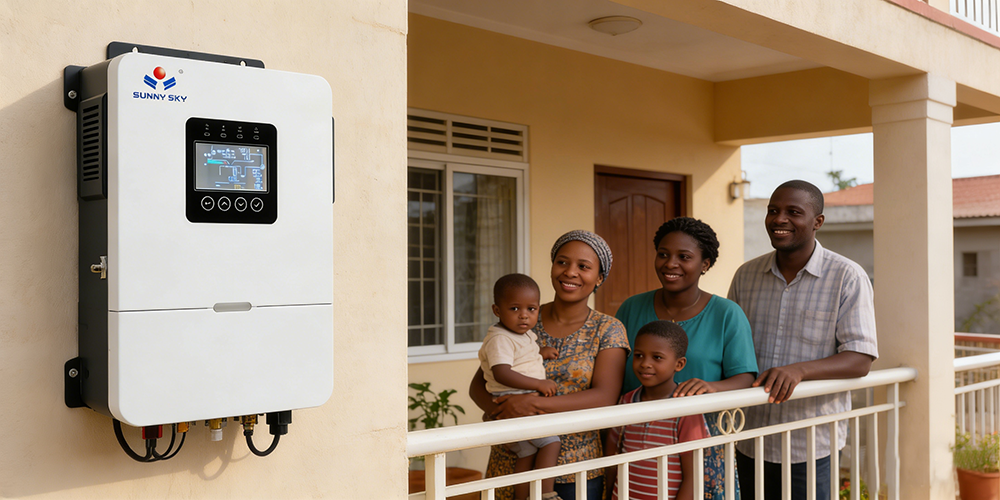
From a product perspective, a wall-mounted rectangular unit with a small central display, front buttons, side ventilation slots, and hardwired bottom connections usually signals an assembled power electronics enclosure designed for fixed installation. In the field, that form factor is common in residential energy backup, solar integration, battery charging, and power distribution monitoring.
The visible details matter. A display at the center suggests local status visibility, which technicians appreciate when checking operating mode or fault conditions. Ventilation slots on the sides are a reminder that thermal management is not optional in compact electronics. Bottom conduit entries imply a proper hardwired installation rather than a plug-in consumer appliance, which is typical for systems intended to sit quietly and work for years.
One caution: appearance alone does not confirm whether a unit is a true inverter, an inverter-charger, or another control device in the broader power stack. Buyers should verify function, solar compatibility, battery interface, and all electrical ratings before matching it to a project.
How hybrid solar systems usually fit together
In a typical hybrid setup, solar panels generate DC power, batteries store energy for later use, and the inverter converts that energy into AC for the site. The hybrid inverter sits in the middle and decides whether the load should be fed by solar, battery, grid, or some combination of the three. That decision-making is what differentiates it from a basic inverter.
For procurement teams, the useful mindset is to treat the inverter as both an energy conversion device and a control platform. The quality of the enclosure, the clarity of the display, the thermal design, and the wiring layout can all affect installation time and serviceability. Those are not cosmetic details. They often shape the lifetime cost of the project.
Selection criteria that matter more than marketing language
The first filter is application fit. A residential backup system has different demands than an off-grid site or a mixed-use facility with variable loads. After that, buyers should review electrical ratings, supported battery chemistry, solar input range, switching behavior, and monitoring options. If the system is expected to run in a warm utility room or in repeated cycling conditions, ventilation and internal component layout deserve more attention than they usually get.
Documentation also matters. Ask for wiring diagrams, installation clearances, and operating modes. A compact footprint is attractive, but only if the device can still breathe and be serviced without awkward access. That is a common source of regret in retrofit projects.
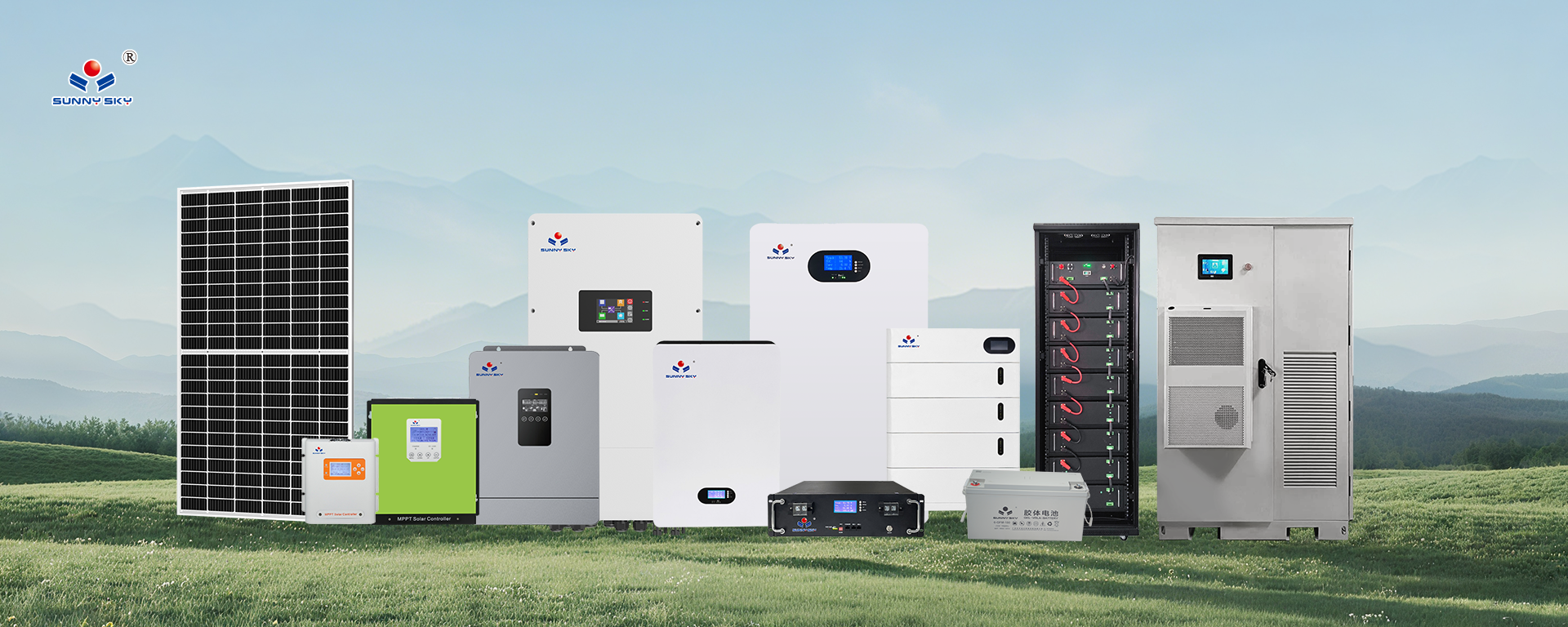
If you are sourcing from a manufacturer such as Guangzhou Tianyuan Solar Equipment CO.,LTD, it is reasonable to ask about R&D support, design stability, and export experience as part of the commercial conversation. The company states that its SUNNYSKY brand serves customers in more than 50 countries and emphasizes patented technologies, reliability, and energy efficiency. Those are useful signals, though they still need to be matched to the exact model under consideration.
Common mistakes buyers make
The biggest mistake is choosing based on headline capacity alone. A higher number on paper does not automatically mean better system behavior. Another frequent issue is ignoring enclosure and installation details, especially when the inverter is mounted indoors and connected through conduits. Heat buildup, cramped cable routing, and poor access for maintenance can turn a neat installation into a recurring nuisance.
A second mistake is assuming any hybrid unit will integrate cleanly with existing batteries or solar arrays. Compatibility should be checked explicitly. Even when the power electronics are sound, poor matching can limit charging performance or complicate commissioning.
What to ask before placing a purchase order
Ask for the exact model, the supported system architecture, and the full electrical specification sheet. Confirm whether the unit is intended for solar charging, battery backup, grid interaction, or all three. Request installation guidance, ventilation requirements, and any available monitoring or display functions. If you are buying for a repeat project, clarify whether the enclosure dimensions and connection layout remain consistent from batch to batch.
For many teams, the buying decision comes down to whether the unit is reliable enough to disappear into the background. That is usually the compliment power equipment should earn.
FAQ: quick buyer questions
Is a hybrid solar inverter only for off-grid systems?
No. It is commonly used in grid-tied systems with battery backup as well as off-grid applications.
Why does the enclosure design matter?
Because cooling, cable routing, and service access affect real-world reliability and installation cost.
Can I identify the exact function from a photo alone?
Not safely. A photo can show a wall-mounted power electronics unit, but not enough to confirm model, capacity, or certified performance.
Next step for engineering and sourcing teams
If you are evaluating a hybrid solar inverter for a residential or small commercial project, start with the electrical specification, then check enclosure design, service access, and compatibility with the rest of the power stack. If you need supplier input, work directly with the manufacturer’s engineering and sales team and ask for the data sheet before discussing price. In this category, the first impression is useful, but the wiring diagram is what usually settles the matter.