tianyuansolar@gmail.com

Hybrid Solar Inverter: Versatile Energy Solution

  • Learning center
Posted by SUNNYSKY On Mar 02 2026

Understanding Hybrid Solar Inverters vs. Traditional Options
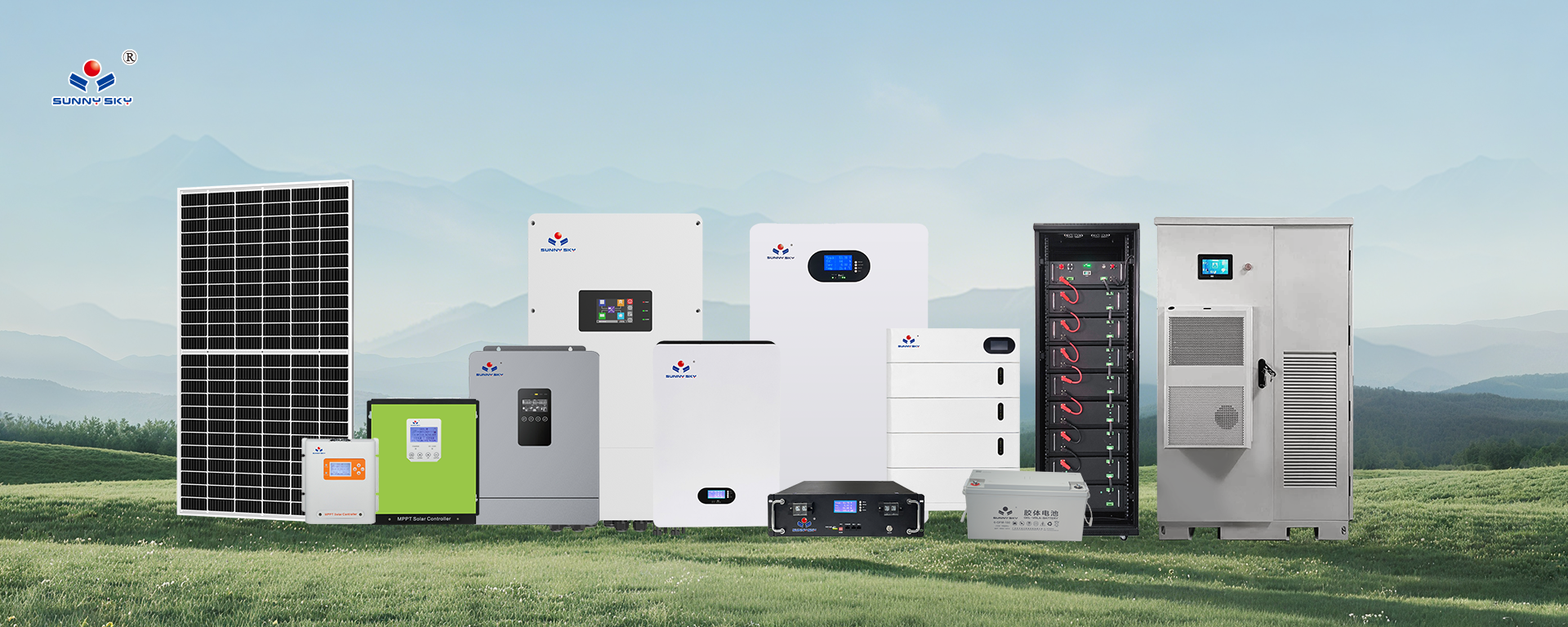


hybrid solar inverter, best hybrid solar inverter, hybrid inverter installation, hybrid solar system, hybrid inverter price

In the evolving world of renewable energy, the hybrid solar inverter stands out as a versatile powerhouse for managing solar power. Unlike traditional inverters that are limited to either on-grid or off-grid use, a hybrid solar inverter seamlessly combines both functionalities, allowing users to switch between grid-tied and independent power sources effortlessly. This comparison highlights how hybrid models, like the innovative Sunny Sky 6KW Hybrid Solar Inverter, offer greater flexibility for homeowners and businesses adapting to variable energy needs. Traditional setups often require separate systems for battery storage and grid connection, leading to higher complexity and costs, whereas hybrid solutions integrate everything into one efficient unit.

Key Benefits and Drawbacks Compared to Conventional Solar Inverters


When evaluating hybrid inverter benefits against standard solar inverters, the advantages become clear in terms of energy independence and efficiency. A hybrid solar inverter, such as the Sunny Sky 6KW model, incorporates advanced MPPT solar inverter technology to maximize energy harvest from panels, even in suboptimal conditions, outperforming basic inverters that lack this optimization. On the downside, hybrid systems might have a steeper learning curve for setup, but their long-term savings on electricity bills and backup power capabilities during outages make them superior. Conventional inverters excel in simple on-grid scenarios with lower upfront costs, yet they falter when grid reliability is an issue, unlike hybrids that provide uninterrupted supply through battery integration.

Installation and Pricing: Hybrid vs. Standard Systems


Hybrid inverter installation differs significantly from traditional methods due to its all-in-one design, which simplifies wiring and reduces labor time compared to piecing together multiple components. For instance, installing a hybrid solar system like the Sunny Sky 6KW involves straightforward connections for panels, batteries, and the grid, often completable in a day for residential setups, whereas standard systems demand more extensive electrical work. Regarding hybrid inverter price, initial investments are higher—around 20-30% more than basic models—but the return on investment is faster through energy savings and incentives. In contrast, while affordable upfront, traditional inverters lead to ongoing grid dependency costs, making hybrids a smarter choice for future-proofing. Reviews of hybrid solar inverter options consistently praise their durability and ease of monitoring via features like LCD displays.

Choosing the Best Hybrid Solar Inverter for Your Needs


Deciding to buy hybrid solar inverter involves weighing solar energy solutions against your specific requirements, where hybrids shine in versatility over rigid traditional inverters. The best hybrid solar inverter, exemplified by the Sunny Sky 6KW with its intuitive control panel and robust build, caters to both small homes and larger commercial applications, unlike off-grid-only inverters that limit scalability. Hybrid solar inverter reviews often note superior performance in mixed environments, with efficiencies up to 98% versus 90-95% for standard units. Ultimately, while traditional inverters suit budget-conscious, grid-stable users, the hybrid solar system's adaptability to outages, peak shaving, and renewable integration positions it as the progressive option for sustainable living.

Real-World Applications and Future Outlook


In practical use, a hybrid solar inverter transforms a basic solar setup into a resilient hybrid solar system, contrasting with conventional inverters that can't handle battery storage without add-ons. For example, during peak summer demand, the Sunny Sky 6KW optimizes solar inverter technology to store excess energy, reducing reliance on costly grid power—a feature absent in non-hybrid models. Looking ahead, as solar energy solutions advance, hybrid inverters will likely dominate due to their cost-effectiveness over time, despite minor complexities in initial configuration. This comparison underscores why investing in a hybrid solar inverter not only meets current needs but anticipates future energy challenges with reliability and innovation.

Recommended Products

Featured Blogs

Tag:

  • Learning center
Share On
Featured Blogs
From Africa to Southeast Asia: A Map of Opportunities in Emerging Global Solar Markets

From Africa to Southeast Asia: A Map of Opportunities in Emerging Global Solar Markets

1. Africa: 600 million people lack electricity; strong demand, low competition; three major opportunities: ground-mounted power plants, industrial and commercial power plants, and off-grid microgrids. 2. Southeast Asia: Manufacturing relocation + explosive energy demand; Vietnam is the hottest market, Indonesia is dispersed, and the Philippines offers potential. 3. Middle East: Oil-producing countries are undergoing energy transition; strong payment capacity but high certification thresholds; SASO/ESMA certification is mandatory. 4. South Asia: India has a large market size but tariff barriers; Pakistan and Bangladesh are growing rapidly, but risk control is necessary. 5. Latin America: Brazil, Mexico, and Chile have good resource endowments, but payment risks and exchange rate fluctuations require caution. 6. Development advice: There is no best, only the most suitable; patient investment and risk control are more important than seizing opportunities.

Stackable all-in-one PCs vs. all-in-one PCs: Which one is right for you?

Stackable all-in-one PCs vs. all-in-one PCs: Which one is right for you?

1. Appearance Difference: A single rack vs. multiple stacked modules – the difference is immediately apparent. 2. Expandability Comparison: Stacked racks allow for the addition of battery modules, while integrated racks require parallel connection of the entire unit. 3. Maintenance Experience: With stacked racks, only faulty modules need to be replaced; with integrated racks, the entire unit is typically repaired. 4. Space Occupancy: Integrated racks save space; stacked racks require higher ceiling height. 5. Price Difference: Stacked racks are 10%-20% more expensive, but have lower long-term expansion costs. 6. Purchase Recommendation: Choose integrated racks if you don't plan to expand in the near future; choose stacked racks if you have expansion needs.

How much money can you save in a year by installing solar panels? A comparison of real-life cost savings for three African families.

How much money can you save in a year by installing solar panels? A comparison of real-life cost savings for three African families.

1. Current Electricity Prices in Africa: Lagos: $0.3 per kilowatt-hour, 200 days/year of power rationing; during power outages, diesel generators cost $8 per liter. 2. Urban Middle-Class Families: A 6kW hybrid system saves approximately $4,200 annually in electricity and diesel costs, with a payback period of 2 years. 3. Industrial and Commercial Users: A 30kW industrial and commercial system saves approximately $37,400 annually, with a payback period of less than 1 year. 4. Remote Rural Families Without Electricity: A 1kW microgrid saves approximately $360 annually in kerosene charging costs per household, with a payback period of 1 year. 5. Four Factors Affecting Cost Savings: Electricity Price, Sunlight Radiance, Self-Consumption Ratio, System Quality 6. Conclusion: Solar power pays off fastest in high-electricity-price regions of Africa; industrial and commercial users see the greatest value.

African Solar Market Analysis: Huge Opportunities Behind the Power Shortage of 600 Million People

African Solar Market Analysis: Huge Opportunities Behind the Power Shortage of 600 Million People

1. Current Energy Situation in Africa: 600 million people lack access to electricity, with an average of 390 days of power outages per year. 2. Solar Resources in Africa: The Sahara Desert boasts an annual irradiance exceeding 2500 kWh/m², making it the world's strongest photovoltaic belt. 3. Market Size: 5GW of new photovoltaic capacity added in 2023, projected to grow tenfold by 2030. 4. Four Key Opportunities: Ground-mounted power plants/Commercial and industrial distributed generation/Off-grid microgrids/Solar irrigation. 5. Market Risks: Foreign exchange controls, payment risks, certification requirements, and high logistics costs. 6. Development Recommendations: Focus on key countries, localization, customer acquisition through trade shows, and control of payment risks.

tianyuansolar@gmail.com
+86-13711660041
+8613711660041
WhatsApp :WhatsApp QR Code


