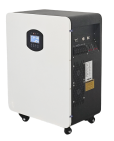
FAQs on Hybrid Solar Inverters: Your Guide to Efficient Solar Power Solutions
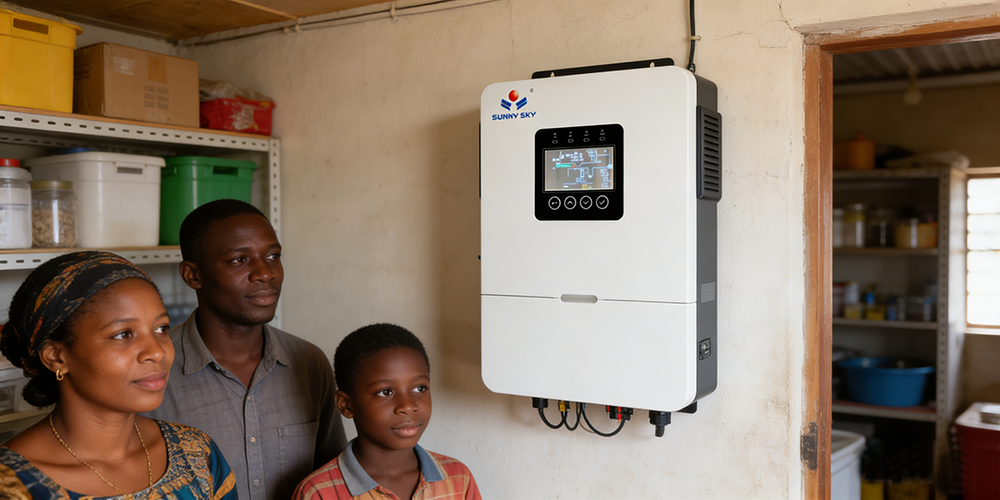
As the demand for renewable energy grows, many homeowners and businesses are turning to a hybrid solar inverter to optimize their solar setups. At Guangzhou Tianyuan Solar Equipment CO.,LTD, under our SUNNYSKY brand, we specialize in innovative solutions like the 12KW Hybrid Solar Inverter, designed to integrate seamlessly with solar panels, batteries, and the grid. This FAQ-style guide addresses common questions about hybrid solar inverters, helping you understand how they can transform your energy management.
What is a Hybrid Solar Inverter?
A hybrid solar inverter is a versatile device that combines the functions of a traditional solar inverter with battery storage management. Unlike standard solar power inverters, it can switch between grid-tied, off-grid, and hybrid modes, allowing you to use solar energy, stored battery power, or utility grid electricity as needed. Our SUNNYSKY 12KW Hybrid Solar Inverter exemplifies this technology, featuring hybrid inverter technology that supports both lithium and lead-acid batteries for maximum flexibility. This setup ensures uninterrupted power supply, even during outages, making it ideal for residential and commercial applications. With its advanced digital display, you can monitor real-time performance effortlessly, aligning with our commitment to reliable, innovative green energy.
How Do Solar Inverter Systems Work with Hybrid Technology?
Solar inverter systems powered by hybrid technology convert direct current (DC) from solar panels into alternating current (AC) for home use. A grid-tied hybrid solar inverter, like the one from SUNNYSKY, intelligently prioritizes solar energy, then battery reserves, and finally the grid to minimize costs and environmental impact. For off-grid solar inverter scenarios, it operates independently, drawing solely from solar and batteries. Key advantages include high efficiency rates, often exceeding 95%, and customizable settings for voltage and power. Our product incorporates intelligent controls to optimize charging cycles, reducing energy waste and extending battery life. Whether you're installing for the first time or upgrading, hybrid inverter advantages such as seamless integration and cost savings make it a smart choice for sustainable living.
What Are the Best Hybrid Solar Inverter Options Available?
Choosing the best hybrid solar inverter depends on your energy needs, but the SUNNYSKY 12KW model stands out for its robust build and quiet operation. It supports up to 12KW capacity, suitable for industrial and commercial setups, with effective cooling to ensure durability in demanding environments. Compared to basic renewable energy inverters, our hybrid version offers superior features like a touchscreen dashboard for easy monitoring of solar power output and grid input. For those seeking solar inverter installation, professional setup is recommended to maximize performance. We've reached customers in over 50 countries with our patented technologies, emphasizing stability and design that blend functionality with aesthetics.
What Are the Key Advantages of Hybrid Inverter Technology?
Hybrid inverter advantages are numerous, starting with energy independence. By combining solar, battery, and grid sources, it reduces electricity bills by up to 70% in optimal conditions. The technology also promotes sustainability, helping lower carbon emissions as per our mission at Guangzhou Tianyuan Solar Equipment CO.,LTD. Off-grid capabilities ensure power during blackouts, while grid-tied operations allow excess energy export for credits. Our 12KW unit's compact, wall-mounted design saves space without compromising power. Additionally, its compatibility with various battery types and quiet performance make it user-friendly. Investing in such renewable energy inverters not only cuts costs but also future-proofs your setup against rising energy prices.
How Does Solar Inverter Installation Affect Performance?
Solar inverter installation is crucial for the system's overall efficiency. Proper placement in a well-ventilated area, away from direct sunlight, prevents overheating and maintains optimal function. For a hybrid solar inverter, connecting it to solar panels, batteries, and the grid requires expertise to ensure safe wiring and compliance with local regulations. At SUNNYSKY, we recommend certified installers to leverage features like our model's advanced cooling and noise reduction. Post-installation, the intuitive interface allows easy adjustments for peak performance. Factors like system size and location influence output, but with our high-efficiency design, users can expect reliable results. Visiting our factory near Guangzhou Baiyun International Airport, we offer guidance to global clients for seamless integration.
Why Choose SUNNYSKY for Your Renewable Energy Inverters?
At Guangzhou Tianyuan Solar Equipment CO.,LTD, our SUNNYSKY brand delivers premium hybrid solar inverters backed by independent R&D and patented tech. The 12KW model not only provides powerful 12KW output but also empowers you to achieve energy goals elegantly. We're dedicated to enhancing efficiency and reliability, helping reduce consumption while creating value. Whether for off-grid solar inverter needs or grid-tied hybrid solar inverter setups, our solutions span residential to industrial uses. Contact us for complimentary airport pickup and factory tours—we're here to support your journey to a greener future.