tianyuansolar@gmail.com

Hybrid Solar Inverter: Modern Solutions for Energy Management

  • Learning center
Posted by SUNNYSKY On Mar 02 2026

Hybrid Solar Inverter: Comparing Traditional vs. Modern Solutions for Efficient Energy Management
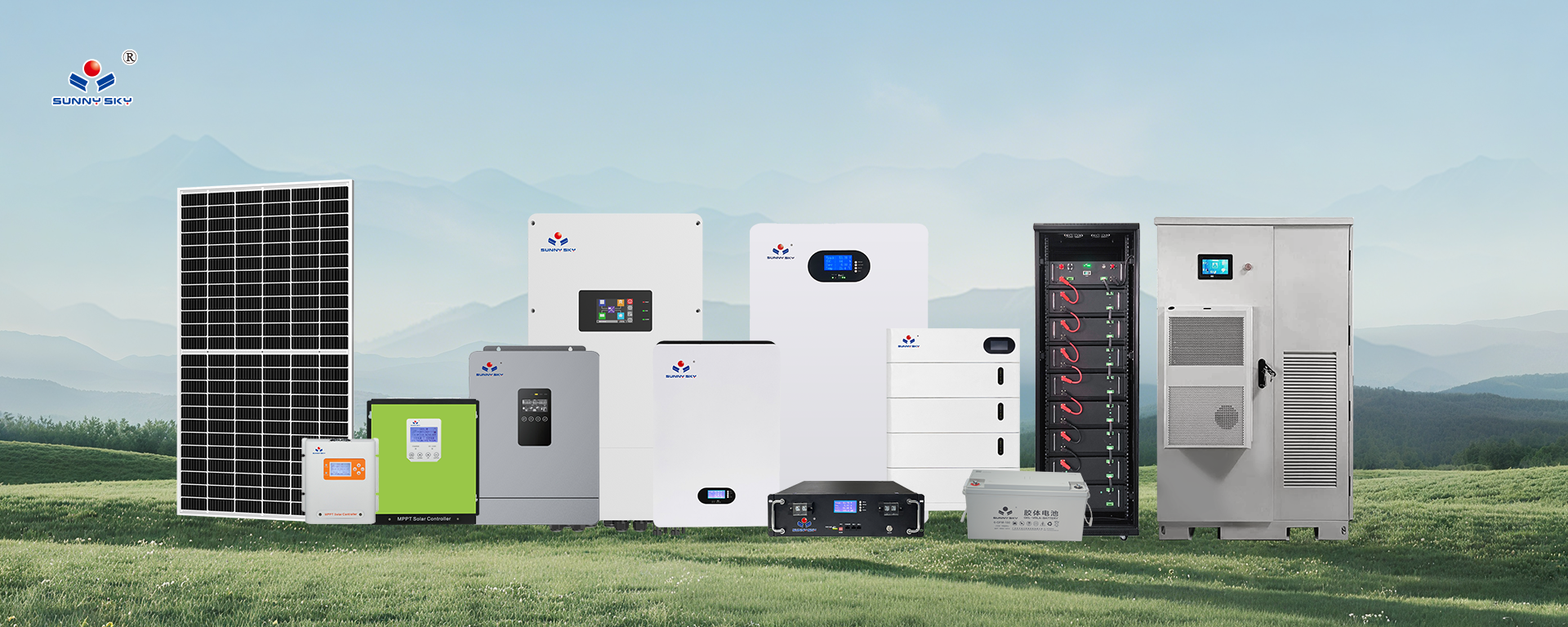


hybrid solar inverter, best hybrid solar inverter, hybrid inverter installation, hybrid solar system, hybrid inverter price

In the evolving world of solar energy solutions, the hybrid solar inverter stands out as a versatile powerhouse that combines the best of grid-tied and off-grid capabilities. Unlike traditional inverters that are limited to single-mode operations, a hybrid solar inverter like the 6KW model from Sunny Sky integrates solar panels, battery storage, and grid power seamlessly, offering homeowners and small businesses a flexible path to energy independence. This comparison highlights how hybrid systems outperform conventional setups in adaptability and efficiency.

Understanding Traditional Inverters vs. Hybrid Solar Inverters


Traditional solar inverters, often purely grid-tied, convert DC power from solar panels to AC for home use but falter during blackouts, disconnecting entirely for safety reasons. In contrast, the hybrid solar inverter excels by supporting battery backup, allowing continuous power supply even when the grid fails. For instance, the Sunny Sky 6KW hybrid solar inverter provides a robust 6KW output, handling both on-grid efficiency and off-grid resilience. This dual functionality makes it superior for regions with unreliable power grids, where traditional models might leave you in the dark. Moreover, hybrid inverter benefits include reduced energy bills through smart load management, something traditional inverters can't match without additional, costly components.

Installation and Cost: Hybrid Inverter Installation Compared to Conventional Systems


When it comes to hybrid inverter installation, the process is more involved than with basic inverters but yields long-term savings. Traditional setups require separate components for battery integration, often leading to complex wiring and higher upfront costs. The best hybrid solar inverter, such as Sunny Sky's offering, streamlines this with built-in hybrid functionality, simplifying setup for residential or small commercial hybrid solar systems. Hybrid inverter price typically ranges higher initially—around $1,500 to $3,000 for a 6KW unit—but contrasts favorably against the piecemeal expenses of traditional expansions. Installation pros note that hybrid models cut labor time by up to 30% due to their all-in-one design, featuring user-friendly interfaces for easy monitoring. This efficiency in solar inverter technology not only lowers installation hurdles but also enhances scalability for future upgrades.

Performance and Reviews: Evaluating Hybrid Solar Inverter Reviews Against Older Tech


Performance-wise, hybrid solar inverters outshine traditional ones in energy optimization and reliability. While older inverters might achieve 90-95% efficiency, modern hybrid solar inverter reviews praise advancements like automatic monitoring and smart adjustments in models like the Sunny Sky 6KW, pushing efficiency to 98%. Users highlight hybrid inverter benefits such as real-time data displays and protection layers that safeguard against surges, features absent in basic grid-tied systems. In head-to-head comparisons, hybrid setups generate 20-30% more usable energy annually by storing excess solar power, versus wasting it in traditional non-battery configurations. For those looking to buy hybrid solar inverter, reviews emphasize the value in versatile solar energy solutions that adapt to varying loads, from daytime peaks to nighttime draws.

Choosing the Right Option: Why Go Hybrid for Your Solar Needs


Ultimately, while traditional inverters suit simple, sunny setups with stable grids, the hybrid solar inverter emerges as the smarter choice for comprehensive energy management. Its ability to blend solar inverter technology with battery storage addresses the limitations of conventional systems, offering peace of mind and cost savings. If you're exploring options, consider the Sunny Sky 6KW hybrid solar inverter for its cutting-edge features tailored to modern lifestyles. Whether for a hybrid solar system upgrade or new installation, investing in hybrid technology positions you ahead in the shift toward sustainable power, balancing immediate needs with future-proof reliability.

Recommended Products

Featured Blogs

Tag:

  • Learning center
Share On
Featured Blogs
From Africa to Southeast Asia: A Map of Opportunities in Emerging Global Solar Markets

From Africa to Southeast Asia: A Map of Opportunities in Emerging Global Solar Markets

1. Africa: 600 million people lack electricity; strong demand, low competition; three major opportunities: ground-mounted power plants, industrial and commercial power plants, and off-grid microgrids. 2. Southeast Asia: Manufacturing relocation + explosive energy demand; Vietnam is the hottest market, Indonesia is dispersed, and the Philippines offers potential. 3. Middle East: Oil-producing countries are undergoing energy transition; strong payment capacity but high certification thresholds; SASO/ESMA certification is mandatory. 4. South Asia: India has a large market size but tariff barriers; Pakistan and Bangladesh are growing rapidly, but risk control is necessary. 5. Latin America: Brazil, Mexico, and Chile have good resource endowments, but payment risks and exchange rate fluctuations require caution. 6. Development advice: There is no best, only the most suitable; patient investment and risk control are more important than seizing opportunities.

Stackable all-in-one PCs vs. all-in-one PCs: Which one is right for you?

Stackable all-in-one PCs vs. all-in-one PCs: Which one is right for you?

1. Appearance Difference: A single rack vs. multiple stacked modules – the difference is immediately apparent. 2. Expandability Comparison: Stacked racks allow for the addition of battery modules, while integrated racks require parallel connection of the entire unit. 3. Maintenance Experience: With stacked racks, only faulty modules need to be replaced; with integrated racks, the entire unit is typically repaired. 4. Space Occupancy: Integrated racks save space; stacked racks require higher ceiling height. 5. Price Difference: Stacked racks are 10%-20% more expensive, but have lower long-term expansion costs. 6. Purchase Recommendation: Choose integrated racks if you don't plan to expand in the near future; choose stacked racks if you have expansion needs.

How much money can you save in a year by installing solar panels? A comparison of real-life cost savings for three African families.

How much money can you save in a year by installing solar panels? A comparison of real-life cost savings for three African families.

1. Current Electricity Prices in Africa: Lagos: $0.3 per kilowatt-hour, 200 days/year of power rationing; during power outages, diesel generators cost $8 per liter. 2. Urban Middle-Class Families: A 6kW hybrid system saves approximately $4,200 annually in electricity and diesel costs, with a payback period of 2 years. 3. Industrial and Commercial Users: A 30kW industrial and commercial system saves approximately $37,400 annually, with a payback period of less than 1 year. 4. Remote Rural Families Without Electricity: A 1kW microgrid saves approximately $360 annually in kerosene charging costs per household, with a payback period of 1 year. 5. Four Factors Affecting Cost Savings: Electricity Price, Sunlight Radiance, Self-Consumption Ratio, System Quality 6. Conclusion: Solar power pays off fastest in high-electricity-price regions of Africa; industrial and commercial users see the greatest value.

African Solar Market Analysis: Huge Opportunities Behind the Power Shortage of 600 Million People

African Solar Market Analysis: Huge Opportunities Behind the Power Shortage of 600 Million People

1. Current Energy Situation in Africa: 600 million people lack access to electricity, with an average of 390 days of power outages per year. 2. Solar Resources in Africa: The Sahara Desert boasts an annual irradiance exceeding 2500 kWh/m², making it the world's strongest photovoltaic belt. 3. Market Size: 5GW of new photovoltaic capacity added in 2023, projected to grow tenfold by 2030. 4. Four Key Opportunities: Ground-mounted power plants/Commercial and industrial distributed generation/Off-grid microgrids/Solar irrigation. 5. Market Risks: Foreign exchange controls, payment risks, certification requirements, and high logistics costs. 6. Development Recommendations: Focus on key countries, localization, customer acquisition through trade shows, and control of payment risks.

tianyuansolar@gmail.com
+86-13711660041
+8613711660041
WhatsApp :WhatsApp QR Code


