

Exploring the Hybrid Solar Inverter: A Core Component in Modern Solar Energy Solutions
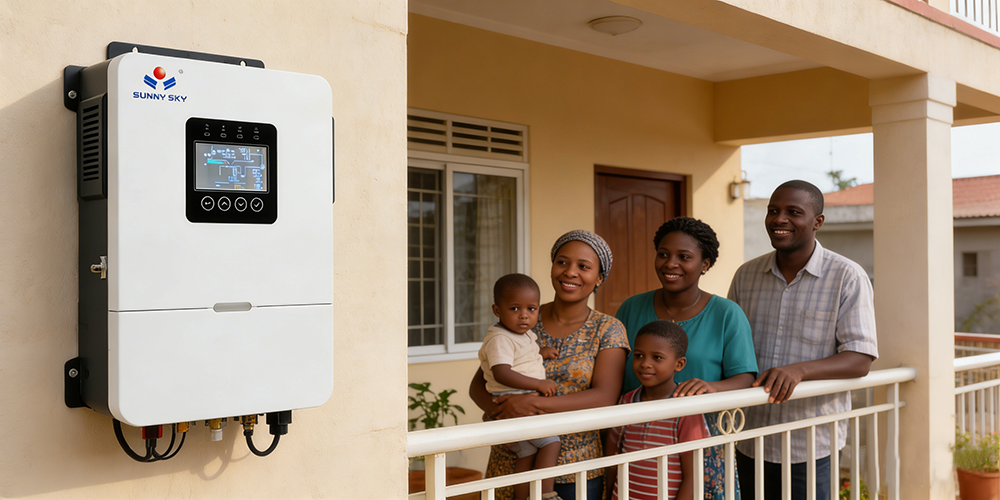
The hybrid solar inverter stands as a pivotal technology in the evolution of renewable energy systems, enabling seamless integration of solar power with traditional grid sources. As a leading solar inverter manufacturer, Guangzhou Tianyuan Solar Equipment CO.,LTD, under the SUNNYSKY brand, has pioneered advancements in this field. Our hybrid solar inverter models, such as the 12KW and 6KW variants, exemplify cutting-edge engineering that optimizes energy conversion and storage. These devices are designed to handle both DC input from solar panels and AC from the grid or batteries, ensuring uninterrupted power supply. In the context of China solar factory operations, our facilities employ state-of-the-art production lines to deliver products that meet global standards for efficiency and durability.
Key Features and Technical Specifications of Hybrid Solar Inverters
Delving into the technical aspects, a hybrid solar inverter from our lineup supports multi-mode operations, including grid-tie, off-grid, and hybrid configurations. For instance, the 12KW hybrid solar inverter boasts a maximum efficiency of up to 98%, with MPPT (Maximum Power Point Tracking) technology that dynamically adjusts to varying solar conditions. This renewable energy inverter incorporates advanced battery management systems, compatible with lithium-ion and lead-acid batteries, to store excess energy for peak demand periods. As a hybrid inverter supplier based in China renewable energy hubs, we ensure our solar power inverter units feature robust protections against overvoltage, overload, and short circuits. The intuitive LCD display provides real-time metrics on power output, battery status, and energy yield, facilitating precise monitoring. Our solar technology factory integrates automated assembly processes, enhancing the precision of components like IGBT modules and DSP controllers, which are crucial for stable performance.
Applications and Benefits in Solar Energy Solutions
In practical applications, the hybrid solar inverter excels in residential, commercial, and industrial settings, powering everything from home appliances to large-scale operations. For solar energy solutions, our 6KW model offers a compact yet powerful option, with a pure sine wave output that safeguards sensitive electronics. By functioning as a solar inverter production powerhouse, Guangzhou Tianyuan Solar Equipment CO.,LTD delivers units that reduce energy costs by up to 70% through intelligent load management and zero-export capabilities. The versatility of these inverters supports scalable systems, allowing users to expand capacity as needs grow. Environmentally, they contribute to lower carbon emissions, aligning with global sustainability goals. Our commitment to independent R&D, with patented technologies, ensures that each hybrid inverter supplier product reaches over 50 countries, recognized for its stability and innovative design.
Why Choose SUNNYSKY as Your Solar Inverter Manufacturer
Selecting a reliable solar inverter manufacturer like us means accessing premium products backed by comprehensive warranties and responsive support. Located just 20 minutes from Guangzhou Baiyun International Airport, our China solar factory welcomes international clients with complimentary pickups, fostering direct collaboration. SUNNYSKY's dedication to "delivering reliable, innovative green energy" drives continuous investment in solar inverter production enhancements, such as improved thermal management and IoT connectivity for remote diagnostics. Whether you're implementing solar power inverter systems for off-grid living or hybrid setups in urban environments, our renewable energy inverter solutions provide unmatched reliability. By partnering with us, customers not only achieve superior energy efficiency but also contribute to a greener planet, reducing reliance on fossil fuels while enjoying long-term economic benefits.
Future Innovations in Hybrid Solar Inverter Technology
Looking ahead, the future of hybrid solar inverters lies in AI-driven optimizations and enhanced grid interactivity. At our solar technology factory, ongoing research focuses on integrating machine learning algorithms to predict energy patterns and automate adjustments, further elevating the performance of our solar energy solutions. As a forward-thinking hybrid inverter supplier, we are exploring bifacial panel compatibility and faster charging protocols to push the boundaries of what's possible in renewable energy inverter design. This proactive approach ensures that our products remain at the forefront of the industry, supporting the global transition to sustainable power. With a track record of excellence, Guangzhou Tianyuan Solar Equipment CO.,LTD continues to empower clients worldwide through innovative, high-quality hybrid solar inverters that blend efficiency, versatility, and environmental stewardship.




