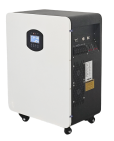
What is a Hybrid Solar Inverter?
A hybrid solar inverter is a versatile device that combines the functions of a traditional solar inverter with battery storage capabilities, allowing seamless integration of solar power, grid electricity, and battery systems. At Guangzhou Tianyuan Solar Equipment CO.,LTD, under our SUNNYSKY brand, we specialize in innovative solutions like the 12KW Hybrid Solar Inverter, designed to optimize energy use for homes and businesses. This technology enables users to store excess solar energy for later use, reducing reliance on the grid and enhancing overall efficiency in renewable energy setups.
How Do Solar Inverter Systems Work with Hybrid Technology?
Solar inverter systems convert direct current (DC) from solar panels into alternating current (AC) for household appliances. Hybrid inverter technology takes this further by managing multiple power sources simultaneously, including solar panels, batteries, and the utility grid. For instance, our best hybrid solar inverter from SUNNYSKY intelligently switches between sources based on availability and demand, ensuring uninterrupted power. This is particularly useful in areas with unreliable grids, where the system prioritizes solar power during the day and draws from batteries at night. With patented R&D from our company, these systems achieve high efficiency, supporting applications in over 50 countries worldwide.
What Are the Advantages of a Hybrid Inverter?
Hybrid inverter advantages include energy independence, cost savings, and environmental benefits. Unlike standard solar power inverters, a hybrid model like our 12KW unit offers grid-tied hybrid solar inverter functionality, allowing excess power to be fed back to the grid for credits while providing backup during outages. Key benefits encompass reduced electricity bills through peak shaving, extended battery life via smart charging, and scalability for growing energy needs. At SUNNYSKY, our renewable energy inverters are built with durable materials and advanced cooling, ensuring reliability in demanding conditions. This makes them ideal for off-grid solar inverter setups in remote locations or hybrid configurations for urban homes.
How to Choose the Best Hybrid Solar Inverter for Your Needs
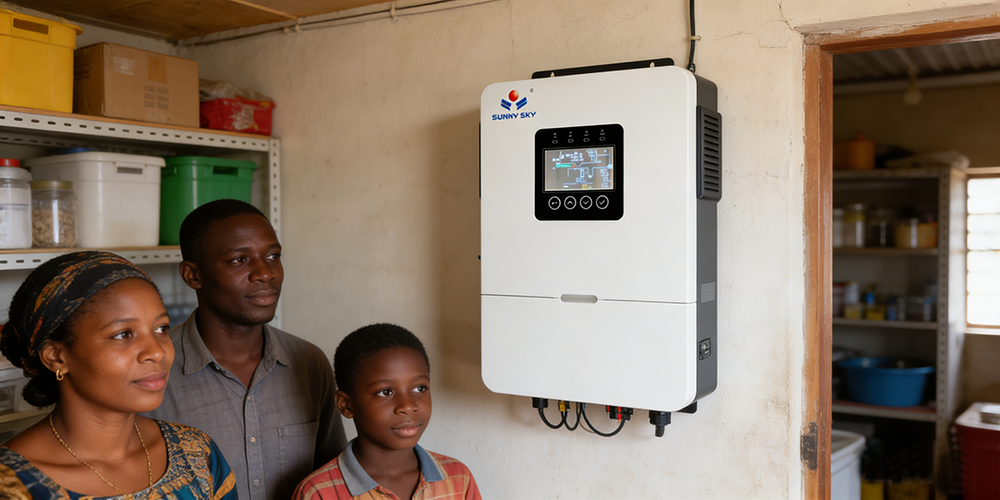
Selecting the best hybrid solar inverter involves considering capacity, compatibility, and features. For residential or commercial use, look for models with user-friendly displays and intuitive controls, like those in our SUNNYSKY lineup. Factor in your energy consumption; a 12KW unit handles substantial loads, supporting up to multiple appliances without faltering. Compatibility with various battery types and solar panel arrays is crucial for optimal performance. Our inverters feature high-resolution monitoring for real-time insights into voltage, output, and battery status, empowering users to make informed decisions.
What to Know About Solar Inverter Installation
Solar inverter installation requires professional expertise to ensure safety and efficiency. For a hybrid solar inverter, placement is key—opt for a cool, ventilated area to leverage the built-in cooling vents, as seen in our compact designs. Wall-mounting saves space and facilitates easy access to touch controls. At Guangzhou Tianyuan Solar Equipment CO.,LTD, we recommend certified installers familiar with grid-tied and off-grid solar inverter systems. Post-installation, regular maintenance checks the connections and firmware updates to sustain peak performance. Our team, located just 20 minutes from Guangzhou Baiyun International Airport, offers support and invites visits for personalized guidance.
Why Opt for Off-Grid Solar Inverter vs. Grid-Tied Options?
An off-grid solar inverter operates independently, relying solely on solar and battery power, perfect for remote sites without grid access. In contrast, a grid-tied hybrid solar inverter connects to the utility for backup and net metering. Our SUNNYSKY 12KW model excels in both, providing flexibility for hybrid setups that blend the two. This versatility reduces carbon emissions and energy costs, aligning with our commitment to innovative green energy. Whether for workshops or homes, these renewable energy inverters deliver stable power, fostering sustainability while minimizing downtime.
Common FAQs on Hybrid Inverter Technology
Many users ask about integration ease; our hybrid inverter technology seamlessly pairs with existing solar setups. Another frequent query is lifespan— with high-quality hardware, expect 10-15 years of service. For those concerned about efficiency, our models boast up to 98% conversion rates, far surpassing basic solar power inverters. SUNNYSKY's dedication to R&D ensures these advantages, helping clients worldwide achieve reliable, eco-friendly energy solutions.