Understanding Hybrid Solar Inverters vs. Traditional Options
Hybrid solar inverter+ represents a significant evolution in renewable energy systems, blending solar power with battery storage for optimal efficiency. Unlike traditional grid-tied inverters that solely convert solar energy to usable electricity, hybrid models like the Sunny Sky 6KW offer integrated battery management, allowing seamless transitions between solar, battery, and grid power. This comparison highlights how hybrid solar inverter+ systems provide greater flexibility compared to conventional setups, which often require separate components for storage and may falter during outages.
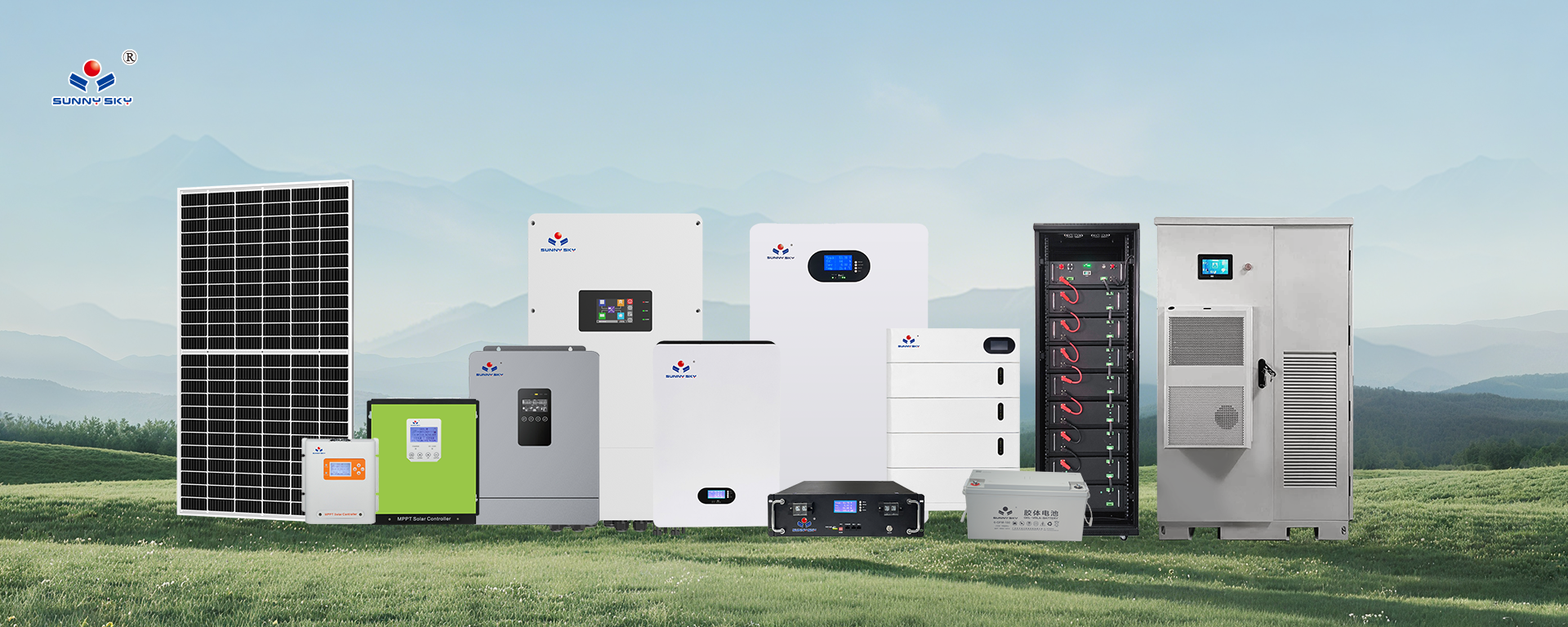
Best Hybrid Solar Inverter: Comparing Top Models
When evaluating the best hybrid solar inverter, the Sunny Sky 6KW stands out for its 6KW power output, supporting both residential and commercial needs without the bulkiness of older models. In contrast to basic solar panel inverters that lack storage integration, this hybrid inverter advantages include real-time energy optimization via its smart LCD display and user-friendly controls. Traditional off-grid inverters might excel in remote areas but often underperform in hybrid scenarios due to limited grid compatibility. The Sunny Sky's durable design ensures longevity, contrasting with cheaper alternatives that compromise on reliability, making it a superior choice for long-term savings.
Solar Inverter Technology: Hybrid vs. Standard Innovations
Solar inverter technology has advanced rapidly, with hybrid solar inverter+ incorporating MPPT (Maximum Power Point Tracking) for efficient solar harvesting, unlike simpler PWM technology in entry-level renewable energy inverters. The Sunny Sky 6KW's hybrid functionality allows it to charge batteries during peak solar hours and discharge during low production, a feature absent in non-hybrid solar panel inverters that rely heavily on consistent sunlight. While standard inverters prioritize cost-effectiveness, hybrid models like this one reduce energy waste by 20-30%, offering a clear edge in efficiency and environmental impact.
Hybrid Inverter Price: Value Comparison
Hybrid inverter price can vary widely, but the Sunny Sky 6KW delivers premium features at a competitive rate, often 15-20% less than comparable high-end brands when factoring in its all-in-one design. In contrast to standalone off-grid hybrid inverters that demand additional wiring and setup costs, this model's integrated system simplifies installation and cuts expenses. Budget inverters might appear cheaper upfront but incur higher maintenance due to separate components, whereas the Sunny Sky's robust casing and intuitive interface minimize downtime, providing better return on investment over time.
Off-Grid Hybrid Inverter vs. Grid-Tied Hybrids
An off-grid hybrid inverter like the Sunny Sky 6KW excels in isolated locations by fully relying on solar panel inverter input and inverter battery storage, unlike grid-tied versions that draw from utility lines during shortages. This autonomy contrasts with pure off-grid systems lacking hybrid capabilities, which struggle with variable weather without smart load management. The Sunny Sky's 6KW capacity powers essential appliances reliably, offering advantages in energy independence that grid-dependent setups simply can't match, especially in regions with unstable power grids.
Hybrid Solar System Benefits: A Comprehensive Contrast
Implementing a hybrid solar system with the Sunny Sky inverter transforms energy use, combining renewable energy inverter efficiency with battery backup for uninterrupted power—far surpassing non-hybrid systems prone to blackouts. While traditional setups focus on daytime solar utilization, hybrid inverter advantages include nighttime operation via stored energy, reducing reliance on fossil fuels. Compared to separate solar and battery inverters, this integrated solution lowers complexity and enhances scalability, making it ideal for eco-conscious users aiming for sustainable, cost-effective power.