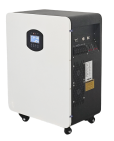
What is a Hybrid Solar Inverter?
A hybrid solar inverter is an advanced device that integrates solar power, battery storage, and grid electricity into a single system, providing versatile energy management for homes and businesses. At Guangzhou Tianyuan Solar Equipment CO.,LTD, our SunnySky 12KW Hybrid Solar Inverter exemplifies this technology by seamlessly combining these sources to ensure uninterrupted power supply. This hybrid solar inverter not only optimizes solar energy usage but also offers backup during outages, making it a cornerstone of modern renewable energy setups.
How Do Solar Inverter Systems Work with Hybrid Technology?
Solar inverter systems convert the direct current (DC) from solar panels into usable alternating current (AC) for household appliances. Hybrid inverter technology takes this further by intelligently switching between solar, battery, and grid power based on availability and demand. For instance, the SunnySky 12KW model uses MPPT technology to maximize solar panel efficiency, ensuring that every bit of sunlight is harnessed effectively. This setup is particularly beneficial in areas with unreliable grids, where the hybrid solar inverter can prioritize solar power during the day and draw from batteries at night, reducing overall energy costs and enhancing sustainability.
What Makes the Best Hybrid Solar Inverter Stand Out?
Choosing the best hybrid solar inverter involves evaluating efficiency, capacity, and user-friendly features. The SunnySky 12KW from our company stands out with its 12KW output capacity, suitable for high-demand applications in residential or commercial settings. Equipped with an intelligent LCD display for real-time monitoring of battery levels and solar output, it simplifies system management. Additionally, built-in protections against overloads and overcurrents ensure safe operation. As a leader in patented solar innovations, Guangzhou Tianyuan Solar Equipment CO.,LTD designs products like this to deliver stability and performance, reaching over 50 countries and helping clients minimize carbon emissions through reliable green energy solutions.
What Are the Key Advantages of a Hybrid Solar Inverter?
Hybrid inverter advantages include energy independence, cost savings, and environmental benefits. Unlike traditional systems, a hybrid solar inverter like the SunnySky 12KW supports both on-grid and off-grid modes, allowing users to store excess solar energy in batteries for later use. This reduces reliance on fossil fuels and lowers electricity bills by up to 50% in optimal setups. Our commitment to R&D ensures features like expandable battery compatibility and efficient ventilation for longevity, making it ideal for eco-conscious users. Located near Guangzhou Baiyun International Airport, we welcome global clients to experience our innovative designs firsthand.
How Does Solar Power Inverter Installation Affect Performance?
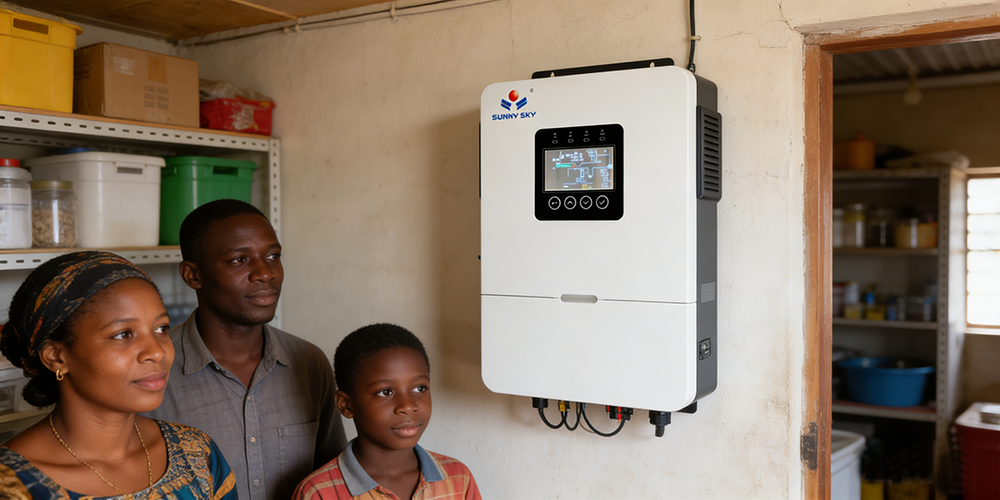
Solar inverter installation requires careful planning to maximize efficiency and safety. For a solar power inverter such as our hybrid model, professional installation ensures proper wiring of solar panels, batteries, and grid connections. The wall-mounted design of the SunnySky 12KW facilitates easy integration into any space, with its sleek white and black finish blending aesthetics and functionality. Key considerations include site assessment for sunlight exposure and ventilation to prevent overheating. At Guangzhou Tianyuan Solar Equipment CO.,LTD, we provide comprehensive support to ensure seamless solar inverter installation, empowering you to achieve sustainable energy goals effortlessly.
What is the Difference Between Off-Grid Solar Inverter and Grid-Tied Hybrid Solar Inverter?
An off-grid solar inverter operates independently without grid access, relying solely on solar and battery power, which suits remote locations. In contrast, a grid-tied hybrid solar inverter, like our SunnySky 12KW, connects to the utility grid for backup while prioritizing renewables. This versatility allows excess power to be fed back to the grid, earning credits, or stored for outages. Renewable energy inverters in our lineup leverage this hybrid approach to offer flexibility, making them perfect for urban and rural applications alike. Our patented technologies enhance reliability, aligning with our mission to deliver innovative green energy worldwide.
Why Choose Renewable Energy Inverters from SunnySky?
Renewable energy inverters represent the future of clean power, and our hybrid models lead the way with superior performance and design. The SunnySky 12KW Hybrid Solar Inverter not only boosts energy efficiency but also supports scalable solar arrays for growing needs. By investing in such systems, users contribute to reducing global carbon footprints while enjoying dependable power. Guangzhou Tianyuan Solar Equipment CO.,LTD's dedication to quality, evidenced by our global reach and R&D focus, ensures that every product upholds our brand promise of reliable, innovative solutions for a greener tomorrow.