Understanding Hybrid Solar Inverters and Their Role in Renewable Energy Systems
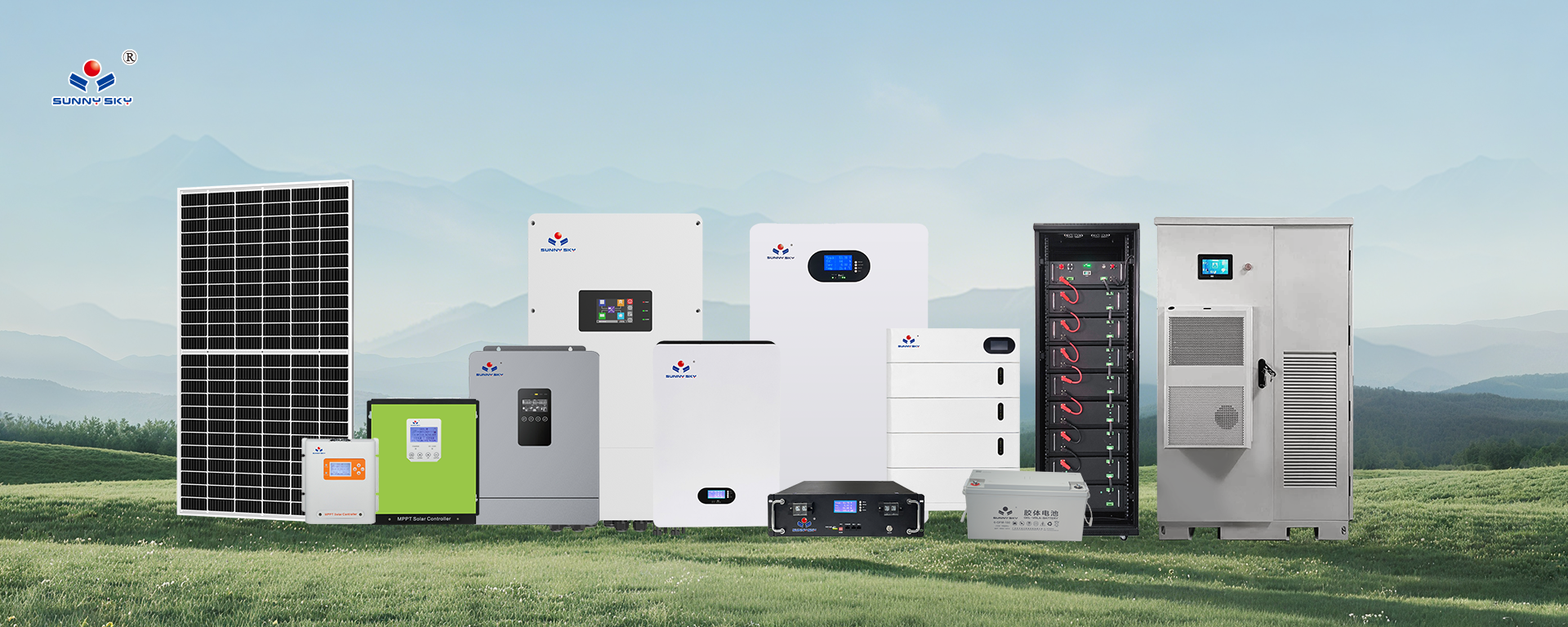
If you're looking to optimize your home's energy setup, a hybrid solar inverter is an essential component that bridges traditional grid power with solar generation. This versatile device combines the functions of a solar panel inverter and a battery inverter, allowing seamless integration of solar energy, battery storage, and the utility grid. At Sunny Sky, our 6KW Hybrid Solar Inverter exemplifies this technology, offering a user-friendly solution for modern households and businesses aiming for energy efficiency and sustainability. By incorporating advanced solar inverter technology, it ensures you maximize your renewable energy systems while minimizing reliance on fossil fuels.
Step-by-Step Guide to Choosing the Best Hybrid Inverter for Your Needs
Selecting the best hybrid inverter starts with assessing your energy requirements. Begin by calculating your daily power consumption—consider appliances, lighting, and heating needs to determine if a 6KW capacity, like that of the Sunny Sky model, suits your setup. Next, evaluate compatibility with your existing solar panels and batteries; our inverter supports various battery systems, making it ideal for energy storage inverter applications. Look for features like MPPT technology in solar inverter technology, which optimizes energy harvest even on cloudy days. For off-grid or remote locations, prioritize an off-grid solar inverter capability, but for urban homes, a grid-tied inverter function ensures you can feed excess power back to the grid. Finally, check for smart features in smart solar inverters, such as real-time monitoring via an intuitive LCD display, which our 6KW unit provides for effortless control.
Installing Your Hybrid Solar Inverter: A Practical How-To
Installation of a hybrid solar inverter requires careful planning to ensure safety and efficiency. First, choose a well-ventilated location, ideally indoors or in a shaded outdoor spot, to protect the unit from extreme temperatures—our Sunny Sky inverter's durable casing is designed for such resilience. Gather necessary tools: a multimeter, wiring kit, and mounting brackets. Connect the solar panels to the DC input ports, ensuring polarity is correct to harness power through the solar panel inverter function. Then, link the battery bank to the designated terminals for the battery inverter role, enabling seamless charging and discharging. Wire the AC output to your home's electrical panel, configuring the grid-tied inverter mode for automatic switching during outages. Use the digital interface to set priorities—solar first, then battery, and grid as backup. Always consult a certified electrician for grid connections to comply with local regulations. Once powered on, the backlit display will show real-time stats, allowing you to monitor performance right away.
Optimizing Performance with Smart Solar Inverters in Renewable Energy Systems
To get the most from your hybrid solar inverter, focus on maintenance and optimization strategies. Regularly clean solar panels to boost input efficiency, as the inverter's MPPT ensures maximum conversion. Monitor battery health through the smart solar inverters' interface; our model alerts for low levels or faults, preventing downtime in your renewable energy systems. For grid-tied inverter users, enable net metering to sell surplus energy, reducing bills. In off-grid solar inverter scenarios, pair with adequate battery capacity to store excess for nighttime use. The Sunny Sky 6KW Hybrid Solar Inverter's dual functionality shines here, automatically balancing loads to avoid overloads. Update firmware if available for enhanced smart features, and track energy savings via the app integration if supported. Over time, this setup not only cuts costs but also contributes to a greener planet by promoting sustainable practices.
Troubleshooting Common Issues with Your Energy Storage Inverter
Even the best hybrid inverter can face hiccups, but most are easily resolved. If output drops, check connections for loose wires in the solar panel inverter circuit. For battery inverter problems, verify charge levels and clean terminals to ensure proper energy storage inverter operation. Overheating? Ensure ventilation and reduce load during peak sun hours—the built-in protections in our Sunny Sky unit safeguard against this. Grid synchronization issues in grid-tied inverter mode might stem from voltage fluctuations; reset via the control buttons and monitor the LCD for error codes. If persistent, reference the manual or contact support. By addressing these proactively, your system remains reliable, embodying the innovation of solar inverter technology for long-term benefits.