Hybrid Solar Inverter: Comparing Traditional and Hybrid Solutions for Modern Energy Needs
In the evolving landscape of renewable energy, the hybrid solar inverter stands out as a versatile powerhouse, blending solar power with grid electricity for optimal performance. Unlike traditional inverters that solely convert DC to AC from solar panels, a hybrid solar inverter intelligently switches between sources, ensuring uninterrupted power. This comparison highlights how hybrid models surpass conventional ones in efficiency and adaptability, making them ideal for homeowners seeking reliable solar energy solutions.
Understanding Hybrid Solar Inverters vs. Traditional Inverters
Traditional solar inverters focus on direct solar-to-grid conversion, often requiring separate battery systems for storage, which adds complexity and cost. In contrast, the hybrid solar inverter integrates battery management, allowing seamless operation during outages or low sunlight. For instance, while a standard inverter might falter in cloudy weather, relying heavily on the grid, a hybrid model stores excess solar energy for later use, reducing dependency. This fundamental difference in design makes hybrid solar inverters more resilient, especially in regions with variable weather. Moreover, hybrid systems support both on-grid and off-grid modes, offering flexibility that traditional setups lack, as they typically demand constant grid connectivity.
Key Benefits of Hybrid Solar Inverters Over Conventional Options
When evaluating hybrid inverter benefits, energy savings and environmental impact come to the forefront. Traditional inverters convert only real-time solar power, leading to wasted potential during peak production, whereas hybrid solar inverters optimize usage by feeding surplus energy to batteries or the grid. This results in lower electricity bills—up to 30-50% reductions reported by users—compared to the modest 20-30% savings from standard systems. Additionally, hybrid inverter installation is streamlined; it requires fewer components, cutting down on wiring and setup time. In terms of solar inverter technology, hybrids incorporate advanced MPPT (Maximum Power Point Tracking) for higher efficiency rates, often exceeding 95%, versus 85-90% for traditional models. For those considering a hybrid solar system, this means enhanced longevity and performance, with built-in protections against surges that traditional inverters might not handle as robustly.
Comparing Prices and Reviews: Is a Hybrid Solar Inverter Worth the Investment?
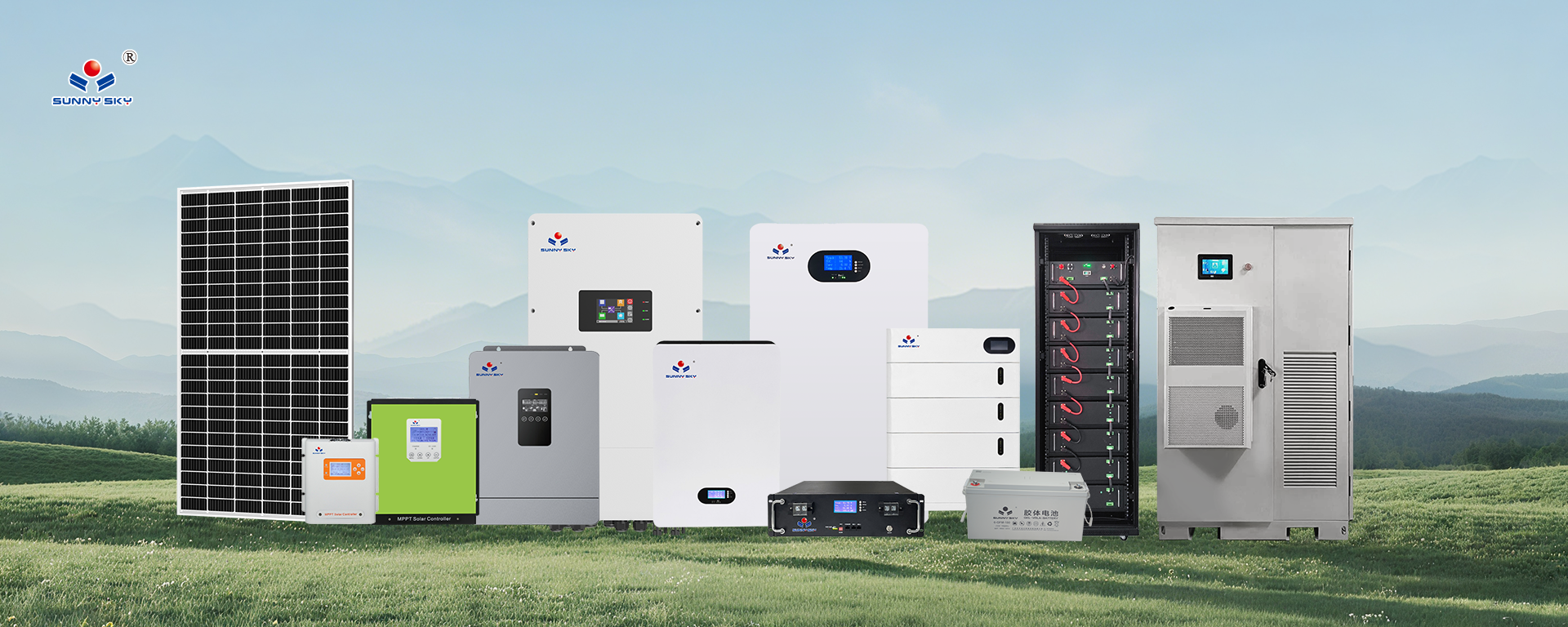
Hybrid inverter price varies based on capacity, but models like the 6KW Hybrid Solar Inverter by Sunny Sky offer competitive value, typically ranging from $1,500 to $3,000, compared to $1,000-$2,000 for equivalent traditional units. However, the long-term ROI favors hybrids due to their dual functionality, which can pay back in 3-5 years versus 5-7 for basics. Hybrid solar inverter reviews praise their user-friendly interfaces, such as digital displays for real-time monitoring, absent in many older inverters. Users contrast the reliability of hybrids during blackouts—providing backup power—against traditional inverters' complete shutdowns. When deciding to buy hybrid solar inverter, factors like warranty (often 10 years for hybrids) and scalability make them superior for expanding solar energy solutions.
Installation and Future-Proofing: Hybrid vs. Traditional Systems
Hybrid inverter installation demands professional expertise but is less invasive than retrofitting traditional systems with batteries later, which can double costs. A hybrid solar system installs as a complete package, integrating panels, inverter, and storage in one go, minimizing disruptions. Traditional setups, while simpler initially, often require upgrades for energy independence, leading to higher cumulative expenses. Looking ahead, solar inverter technology in hybrids evolves with smart features like app connectivity for remote control, outpacing static traditional designs. For businesses or homes aiming for sustainable solar energy solutions, the hybrid approach contrasts sharply with the limitations of conventional inverters, positioning it as the smarter, more future-proof choice. Ultimately, investing in a hybrid solar inverter not only enhances efficiency but also aligns with global shifts toward resilient, eco-friendly power.