Why a hybrid solar inverter has become a practical buying decision
A hybrid solar inverter sits at the center of many modern home and small-building power systems, because it is meant to manage more than one energy source without turning the installation into a tangle of separate boxes. For engineers, sourcing managers, and product teams, the real question is not whether the category exists, but whether the unit you are evaluating can handle the job cleanly: solar input, battery coordination, and backup behavior when the grid is weak or unavailable.
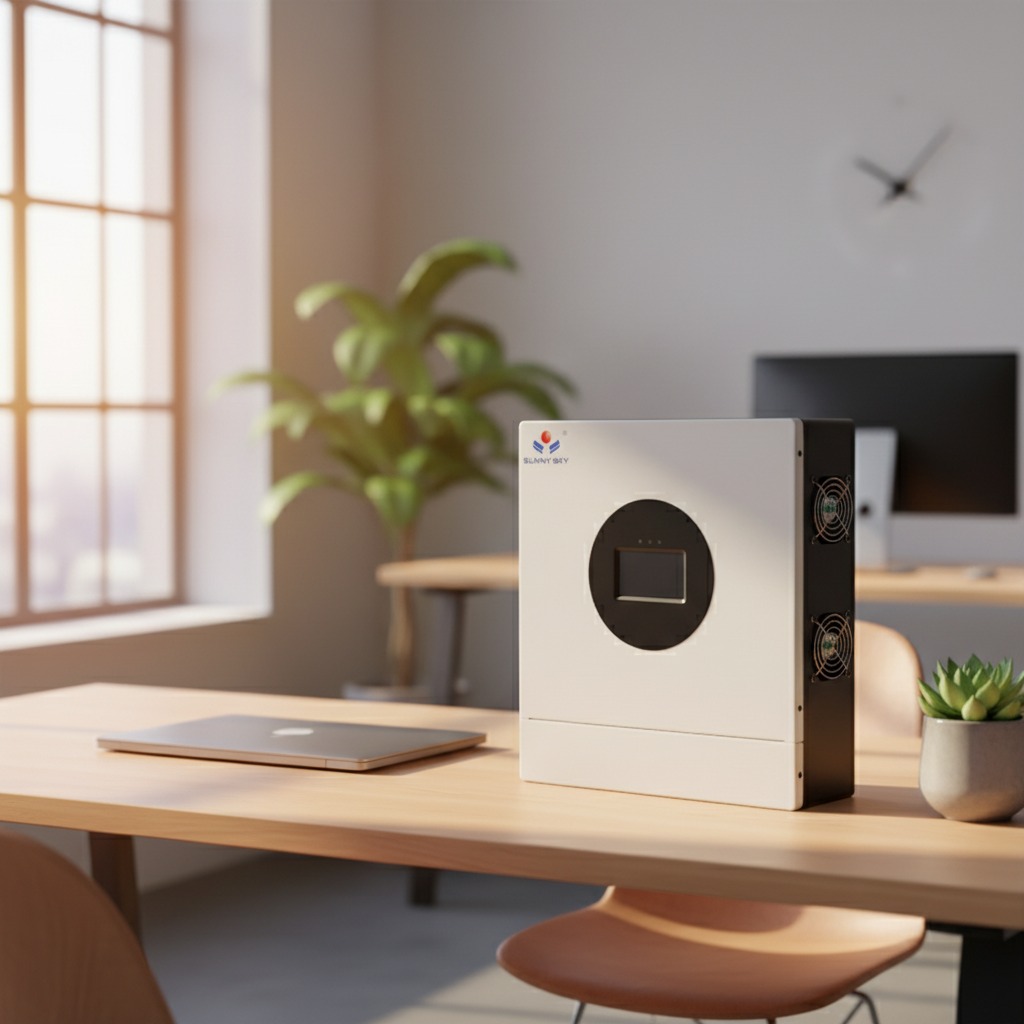
That matters because a well-chosen inverter affects more than energy conversion. It influences wiring complexity, heat management, maintenance access, and the user experience in the room where the unit is installed. A compact wall-mounted enclosure with a small front display and side ventilation slots, for example, suggests a design built for indoor utility areas or storage rooms, where footprint and serviceability count just as much as power electronics.

What buyers are usually trying to solve
Most buyers come to this category with a simple pain point: they want one device that can help balance solar generation, battery storage, and household loads without requiring a full redesign of the electrical system. That is the appeal of a hybrid solar inverter. It can simplify the architecture, reduce the number of separate control points, and make it easier to present a clean installation to the end user.
There is also a commercial angle. Fewer boxes often mean fewer installation steps, fewer wall penetrations, and fewer opportunities for a field issue later. That is not a guarantee of simplicity, of course. A hybrid system can still be electrically demanding, and buyers should never let a neat enclosure distract them from checking the real specifications.
What the physical design tells you before you open the manual
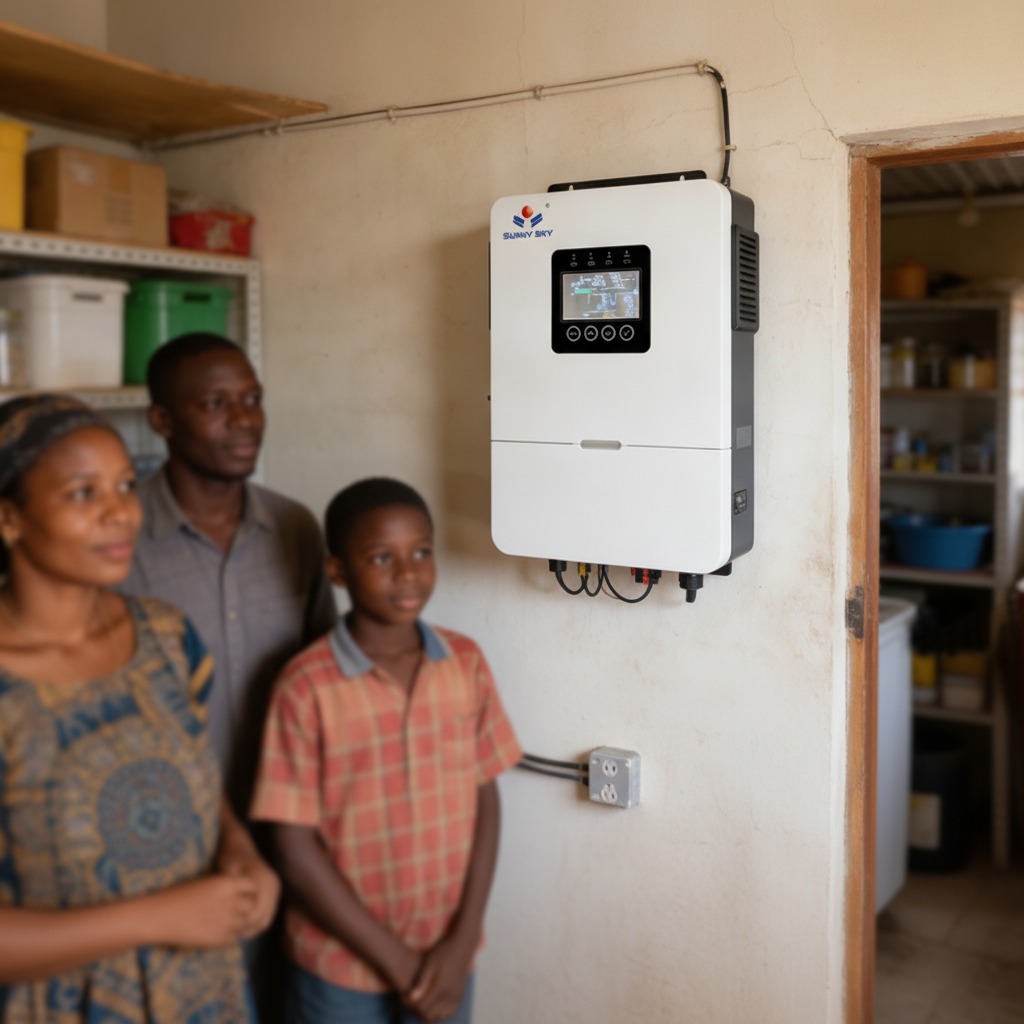
From the product information available here, the unit appears to be a white, wall-mounted electrical control enclosure with rounded corners, a small digital display, and three touch or button indicators beneath the screen. Side ventilation slots indicate that internal heat management is part of the design, which is exactly what you would expect from power electronics in a compact housing. Two conduits or cables exit from the bottom, suggesting hardwired installation rather than a plug-in consumer device.
That combination usually points to a serious fixed-installation product, not a tabletop appliance. It also suggests the buyer should think about cabinet clearance, wall strength, cable routing, and service access early in the project. A compact footprint is useful, but only if the installer can still reach terminals, read the display, and manage airflow around the enclosure.
Selection criteria that matter more than marketing language
1. Electrical fit
The first filter is always the electrical profile. Buyers need to confirm compatibility with the intended solar array, battery arrangement, and backup load profile. The brand information available mentions broad solar solutions and ongoing R&D, but it does not provide verified rating data for this specific unit, so those details should be requested directly from the supplier.
2. Thermal behavior
Ventilation slots are a clue, not a specification. They suggest the product depends on controlled airflow and internal heat management, which is normal, but they also mean installation location matters. A crowded utility corner or a sealed cabinet can quietly shorten service life.
3. User interface and serviceability
A small display with touch or button indicators is often enough for local monitoring and basic control. For many projects, that is a plus. It keeps the product straightforward. Still, buyers should ask how much can actually be seen on the front panel, what alarms are available, and whether commissioning requires special tools or software.
Common mistakes buyers make with this category
The first mistake is assuming that “hybrid” automatically means suitable for every solar-and-battery project. It does not. The second is buying on enclosure appearance alone. A tidy wall-mounted shell is useful, but it does not tell you whether the device is designed for the right voltage range, grid behavior, or backup logic.
Another easy miss is underestimating installation space. Hardwired products need room for conduit bends, thermal clearance, and maintenance access. If the enclosure is mounted too tightly against surrounding equipment, the installer may solve one problem and create another.
Why supplier background still matters
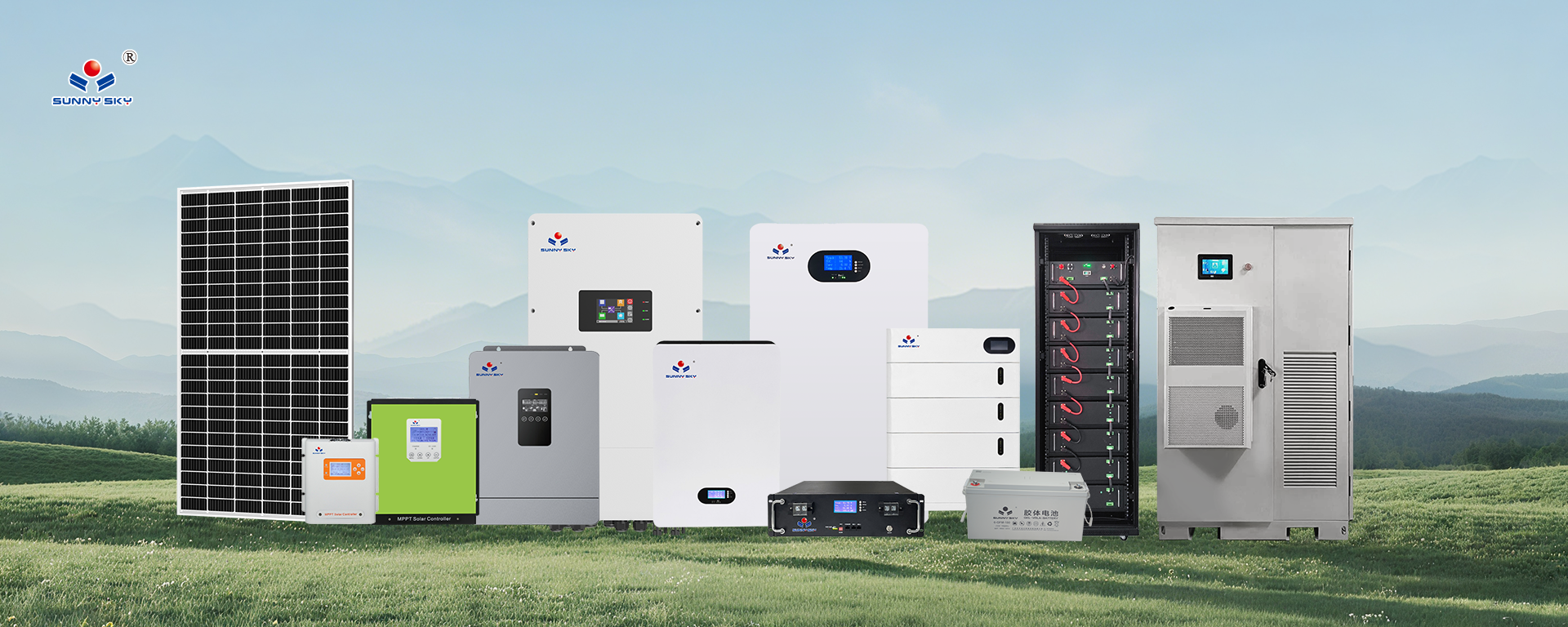
Guangzhou Tianyuan Solar Equipment CO.,LTD positions its SUNNYSKY brand around independent R&D, patented technologies, and products sold in more than 50 countries. That is useful context for buyers who need a supplier with manufacturing depth and export experience. The company also emphasizes reliability, performance, and design, which are the right themes for this category, even if each specific model still needs its own technical review.
For sourcing teams, that means the discussion should move quickly from branding to documentation. Ask for the product datasheet, wiring diagram, protection features, and installation requirements. If the supplier can support factory visits and direct technical discussion, that is often worth more than a polished brochure.
Practical buyer advice before you place an order
Do not finalize a hybrid solar inverter purchase until you have confirmed the exact use case, electrical rating, and installation environment. If the device is intended for residential energy monitoring, backup power switching, or similar control duties, the surrounding system design matters just as much as the enclosure itself. And if the application is still being defined, request a sample and test the unit in the actual cabinet or utility space, not just on a bench.
A final caution: when product details are limited, it is better to be precise than optimistic. Buyers lose more time from a mismatched inverter than from a slightly slower procurement cycle.
What to ask the supplier next
Ask for the verified model name, power range, supported battery type, installation drawing, cooling method, and monitoring functions. If you are comparing options, request side-by-side documentation rather than relying on image-based assumptions. The right hybrid solar inverter is the one that fits the electrical design, the service plan, and the room on the wall.
For buyers evaluating this type of product, the next step is straightforward: collect the technical datasheet, confirm system compatibility, and then decide whether the enclosure, interface, and installation format suit the project before you commit to volume.