Understanding Hybrid Solar Inverters: Your Guide to Efficient Energy
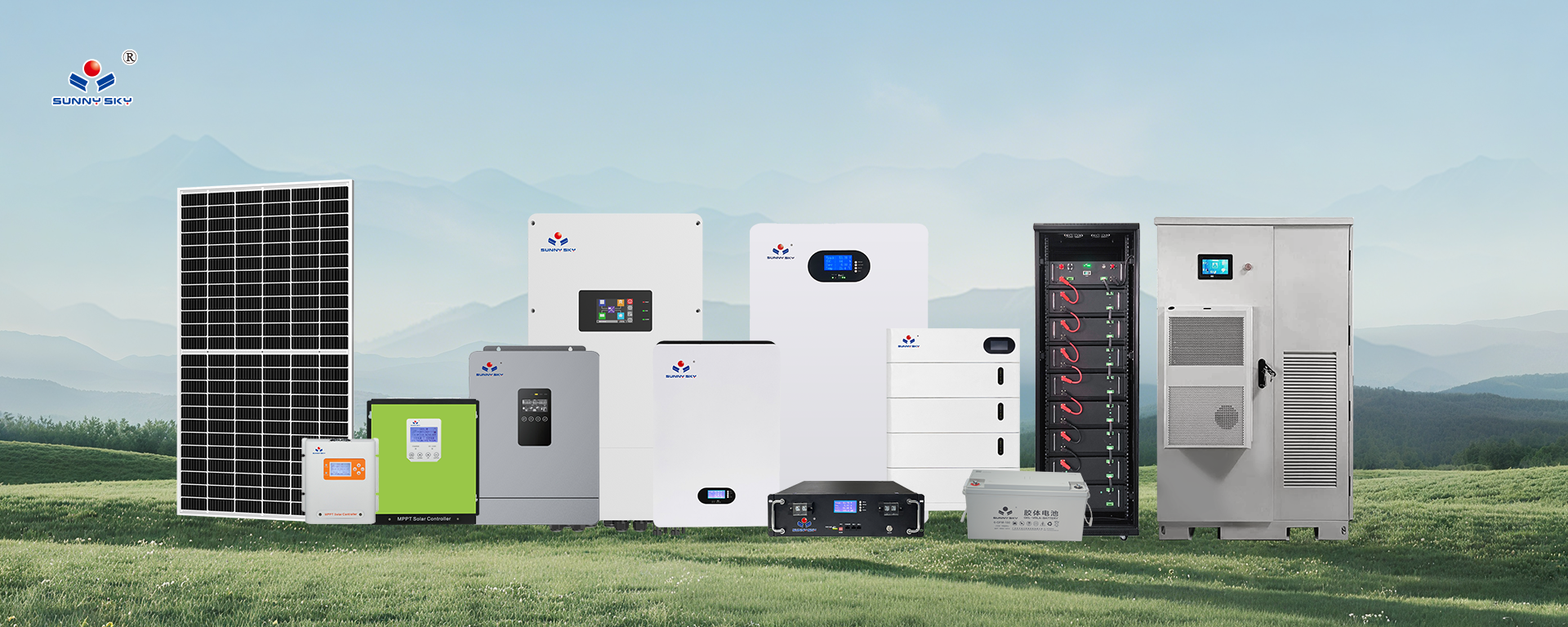
A hybrid solar inverter is a versatile device that revolutionizes how you harness solar energy in your home or business. Unlike traditional inverters, it seamlessly integrates solar panels, battery storage, and grid power, providing a reliable and efficient energy solution. If you're looking to reduce electricity bills and achieve energy independence, understanding how to choose and implement a hybrid solar inverter is essential. This guide will walk you through the key aspects, drawing from innovations like the Sunny Sky 6KW model, which exemplifies advanced hybrid functionality.
Finding the Best Hybrid Solar Inverter for Your Needs
Selecting the best hybrid solar inverter starts with evaluating your power requirements and system compatibility. The best hybrid solar inverter should offer high efficiency, robust build quality, and smart features for optimal performance. For instance, the Sunny Sky 6KW hybrid solar inverter stands out with its ability to intelligently switch between solar, battery, and grid sources, ensuring uninterrupted power. Consider factors like capacity—6KW is ideal for medium-sized homes—and user reviews that highlight ease of use and reliability. Hybrid solar inverter reviews often praise models with intuitive LCD displays for real-time monitoring, helping you track energy flows without hassle. Prioritize inverters with advanced algorithms that maximize solar utilization, reducing your reliance on the grid.
Hybrid Inverter vs Solar Inverter: Key Differences Explained
To make an informed decision, it's crucial to understand the difference between a hybrid inverter and a solar inverter. A solar inverter, often called a grid-tie inverter, converts DC power from panels to AC for grid use but lacks battery integration. In contrast, a hybrid inverter vs solar inverter comparison reveals the hybrid's superior flexibility—it manages multiple sources, including batteries for off-grid backup during outages. This makes hybrid models perfect for areas with unreliable grids. The Sunny Sky 6KW hybrid solar inverter exemplifies this with its seamless switching capabilities, offering both grid-tie and off-grid modes. If sustainability and cost savings are your goals, the hybrid's ability to store excess energy for later use provides clear benefits over basic solar inverters.
Hybrid Solar Inverter Features and Benefits
Exploring hybrid solar inverter features reveals why they're a game-changer. Key features include an intuitive interface for monitoring, compact design for easy placement, and high-efficiency components for minimal energy loss. The hybrid solar inverter benefits extend to significant bill reductions—by storing solar energy in batteries, you avoid peak-hour grid costs. For the Sunny Sky 6KW, its sleek white-and-black aesthetic fits modern settings, while touch-sensitive controls simplify operation. Benefits also include enhanced durability and low maintenance, ensuring long-term reliability. Users report up to 30% savings on electricity, plus environmental perks like reduced carbon footprint. These features make hybrid solar inverters a smart investment for eco-conscious households.
Hybrid Solar Inverter Price: Balancing Cost and Value
When budgeting, hybrid solar inverter price varies based on capacity and brand, typically ranging from $1,000 to $3,000 for a 6KW unit like the Sunny Sky model. Factor in long-term savings: the initial cost is offset by energy efficiency and incentives like tax credits. Compare prices across retailers, but don't compromise on quality—cheaper options may lack essential features. The Sunny Sky 6KW offers premium value with its advanced tech, making it competitively priced for its performance. Always calculate ROI by estimating annual savings from reduced grid usage, which can recoup the investment in 3-5 years.
How to Install a Hybrid Solar Inverter System
Installing a hybrid solar inverter system requires careful planning for safety and efficiency. Start by assessing your site's solar potential and electrical setup. Professional hybrid solar inverter installation is recommended unless you're experienced, as it involves wiring panels, batteries, and the grid. For the Sunny Sky 6KW, its plug-and-play design simplifies the process—mount it in a shaded, ventilated area, connect to panels and batteries, then configure via the LCD interface. Steps include: 1) Secure mounting; 2) DC/AC connections; 3) System testing. A full hybrid solar inverter system enhances resilience, providing backup during blackouts. Post-installation, monitor via the app for optimal performance. This setup not only powers your home sustainably but also future-proofs against rising energy costs.
In summary, embracing a hybrid solar inverter like the Sunny Sky 6KW empowers you with control over your energy future. With its blend of innovation, ease, and efficiency, it's a top choice for anyone stepping into solar power.