Understanding Hybrid Solar Inverters vs. Traditional Inverters
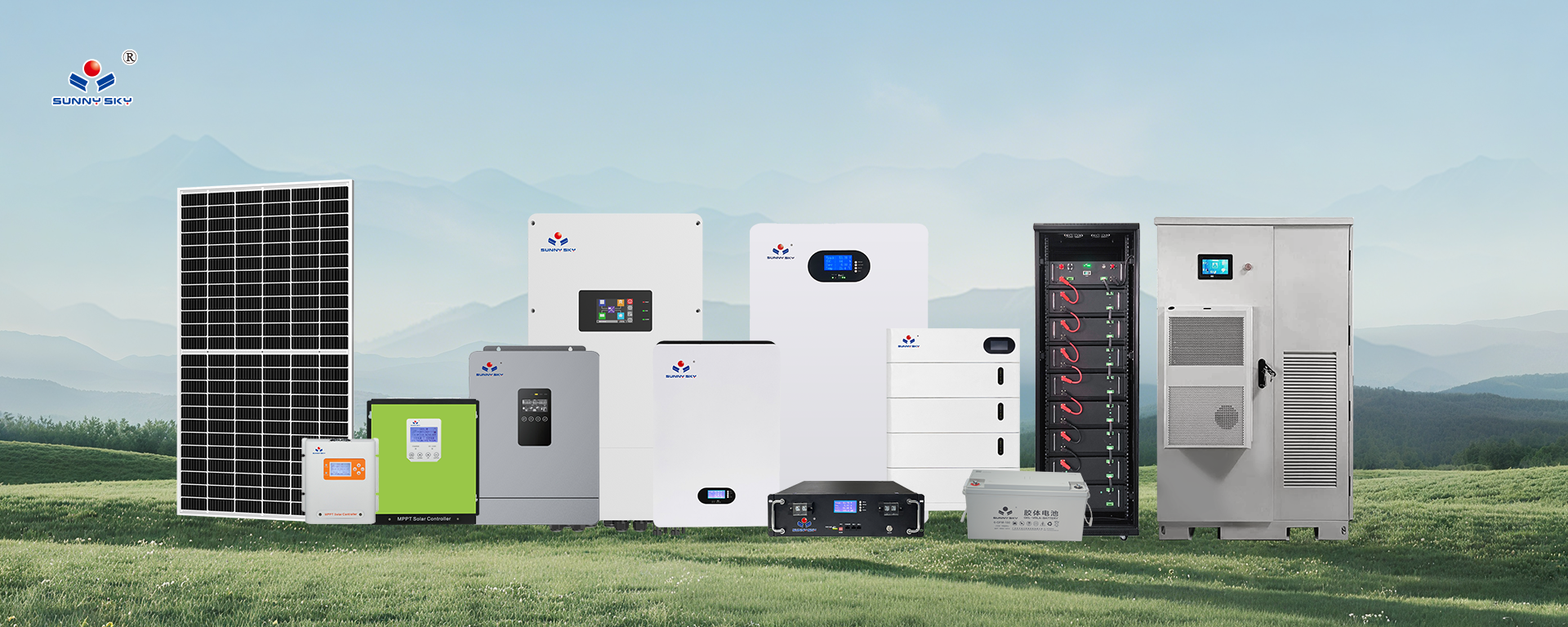
In the evolving world of solar energy solutions, the hybrid solar inverter stands out as a versatile powerhouse. Unlike traditional inverters that solely convert DC power from solar panels to AC for household use, a hybrid solar inverter integrates seamlessly with batteries and grid power. This comparison highlights how hybrid models offer superior flexibility, allowing homeowners to store excess energy for nighttime or outages, while standard inverters lack this built-in storage capability. As solar inverter technology advances, hybrids provide a more comprehensive approach to energy management.
Key Benefits and Drawbacks: Hybrid Inverter Benefits Compared to Conventional Systems
One of the primary hybrid inverter benefits is its ability to optimize energy use by drawing from solar panels, batteries, or the grid as needed, reducing reliance on utility power during peak hours. In contrast, non-hybrid systems often waste surplus solar energy without battery integration, leading to higher electricity bills. However, hybrids may come with a steeper upfront cost compared to basic inverters. For those considering a hybrid solar system, the long-term savings on energy bills and enhanced energy independence make it a compelling choice over purely grid-tied setups.
Installation Challenges: Hybrid Inverter Installation vs. Standard Solar Setups
When it comes to hybrid inverter installation, the process is more involved than traditional solar inverter setups due to the need for battery compatibility and wiring for multiple inputs. Traditional installations are simpler and quicker, often completed in a day, whereas hybrids require careful planning to ensure efficient integration with existing electrical systems. Despite this, the hybrid approach yields greater reliability during blackouts, a feature absent in grid-only inverters. Professionals recommend consulting experts for seamless setup, especially for complex hybrid solar systems that blend rooftop panels with home batteries.
Pricing Breakdown: Hybrid Inverter Price Compared to Other Options
The hybrid inverter price typically ranges higher than conventional models, reflecting added features like battery management and smart monitoring. For instance, a basic solar inverter might cost under $1,000, while a quality hybrid can exceed $2,000, depending on capacity. This premium is justified by the hybrid's multi-source efficiency, potentially paying off through incentives and reduced grid dependence. When deciding to buy hybrid solar inverter options, it's wise to weigh these costs against the benefits, especially in regions with frequent power interruptions where hybrids outperform simpler alternatives.
Performance Reviews: Hybrid Solar Inverter Reviews and Technology Edge
Hybrid solar inverter reviews often praise their advanced solar inverter technology, such as MPPT tracking for maximum energy harvest, which surpasses the efficiency of older pulse-width modulation inverters. Users report up to 30% better performance in variable weather compared to non-hybrids that struggle without battery backup. Drawbacks include occasional software glitches in lesser models, but top-tier units like Sunny Sky's 6KW Hybrid Solar Inverter shine with intuitive controls and real-time displays. This model, with its compact design and robust safety features, edges out competitors by supporting diverse energy sources for true sustainability.
Choosing the Best: Best Hybrid Solar Inverter for Your Needs
Selecting the best hybrid solar inverter involves contrasting features like power output, warranty, and scalability against your home's energy demands. Traditional inverters suit budget-conscious setups with consistent grid access, but for off-grid or resilient systems, hybrids excel. Sunny Sky's innovative 6KW unit, with its high-efficiency conversion and smart communication, represents the pinnacle of modern hybrids, offering a greener alternative that contrasts sharply with outdated tech. Ultimately, investing in a hybrid solar inverter empowers users with control over their solar energy solutions, fostering a more independent and eco-friendly lifestyle.