

Understanding the Hybrid Solar Inverter
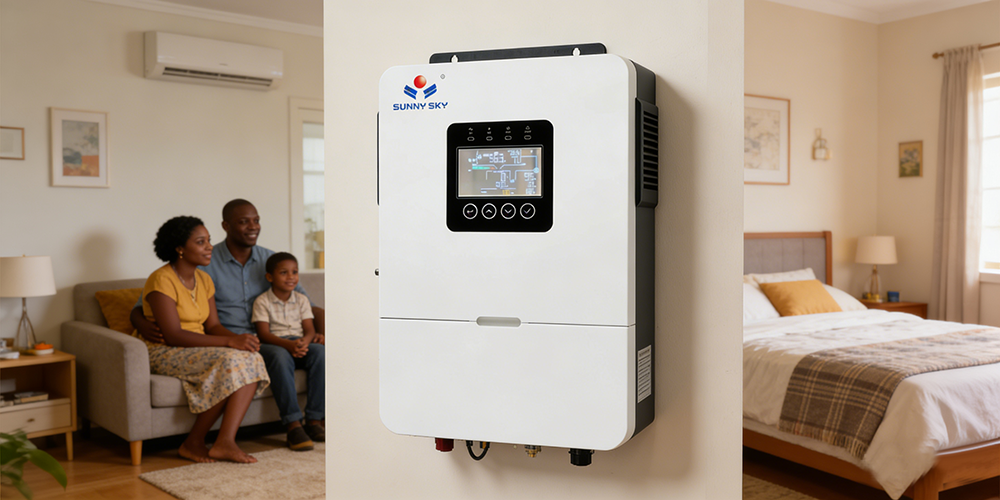
A hybrid solar inverter stands as a pivotal component in modern renewable energy systems, seamlessly integrating solar power generation with battery storage and grid connectivity. Unlike traditional inverters, a hybrid solar inverter is engineered to manage multiple energy sources intelligently, optimizing for efficiency and reliability in both on-grid and off-grid scenarios. At Guangzhou Tianyuan Solar Equipment CO., LTD, our SUNNYSKY brand exemplifies this technology through innovative designs that prioritize performance and user accessibility. This 12KW model, for instance, features a clean matte white finish with rounded edges and a contrasting black control panel, blending technical prowess with aesthetic appeal for residential and commercial applications.
Key Features and Benefits of Hybrid Inverter Technology
Hybrid inverter technology represents a significant advancement in solar energy management, allowing users to harness solar power more effectively while mitigating reliance on the grid. The hybrid inverter benefits include enhanced energy independence, reduced electricity bills, and improved system resilience during outages. Our SUNNYSKY 12KW hybrid solar inverter incorporates patented technologies developed through independent R&D, ensuring stable operation across diverse conditions. With an integrated LCD display showing real-time metrics like power flow, battery status, and load information, it provides intuitive monitoring via touch-style buttons. This setup not only boosts self-consumption of solar energy but also supports seamless transitions between solar, battery, and grid sources, making it ideal for high-demand setups in homes, villas, or small businesses. Furthermore, its robust ventilation system maintains optimal thermal performance, a critical aspect for long-term reliability in demanding environments.
Comparing Hybrid Inverter vs. Solar Inverter
When evaluating a hybrid inverter vs. solar inverter, the distinction lies in versatility and functionality. A standard solar inverter converts DC from panels to AC for immediate use or grid feed-in, but lacks native battery integration. In contrast, a hybrid solar inverter bridges this gap by incorporating battery charging and discharging capabilities, enabling energy storage for nighttime or peak usage. This makes the hybrid model superior for solar-plus-storage systems, offering greater flexibility and cost savings over time. At SUNNYSKY, our hybrid solar inverter is designed with this in mind, featuring a slim profile that fits contemporary spaces while delivering 12KW capacity for substantial loads. The technology ensures efficient energy coordination, reducing carbon emissions and aligning with our commitment to innovative green energy solutions that have earned recognition in over 50 countries.
Exploring the Best Hybrid Solar Inverter Options
Selecting the best hybrid solar inverter involves assessing capacity, efficiency, and integration features. Among top rated hybrid solar inverters, the SUNNYSKY 12KW model stands out for its modern design and advanced interface, providing clear system insights without complexity. Hybrid solar inverter reviews often highlight its ease of use and reliability, with users praising the intuitive LCD for quick diagnostics. For those considering solar energy hybrid inverter applications, this unit excels in smart residences by maximizing solar utilization through intelligent algorithms. Our dedication to R&D ensures it outperforms in energy efficiency, supporting both AC and DC coupling for versatile installations. Located near Guangzhou Baiyun International Airport, we welcome global clients to experience this firsthand, with complimentary pickups to showcase our factory's operations.
Hybrid Solar Inverter Price and Value Proposition
The hybrid solar inverter price varies based on capacity and features, but investing in a premium model like SUNNYSKY's 12KW offers long-term value through durability and performance. Priced competitively for its capabilities, it delivers hybrid inverter benefits such as grid-tie functionality and backup power, justifying the cost for energy-conscious users. Reviews emphasize its role in lowering operational expenses by optimizing battery cycles and solar input, often achieving payback within a few years. This inverter's architectural design not only enhances visual integration but also underscores its professional engineering, making it a smart choice for sustainable energy ecosystems.
Installing Hybrid Solar Inverter Systems
Installing hybrid solar inverter requires careful planning to ensure optimal performance and safety. Begin by assessing site conditions, electrical loads, and solar array compatibility, then position the unit for adequate ventilation—our model’s design facilitates wall-mounting in compact spaces. Professional installation is recommended to comply with local codes, involving connections to panels, batteries, and the grid. The process typically includes configuring the inverter's settings via its user-friendly interface for mode selection, such as priority to solar or battery. SUNNYSKY provides comprehensive support, drawing from our expertise in delivering reliable solutions worldwide. Post-installation, the system monitors performance in real-time, allowing adjustments for peak efficiency. This setup empowers users with a resilient energy solution, reducing consumption and promoting eco-friendly living.




