Understanding the Hybrid Solar Inverter: A Comprehensive Guide
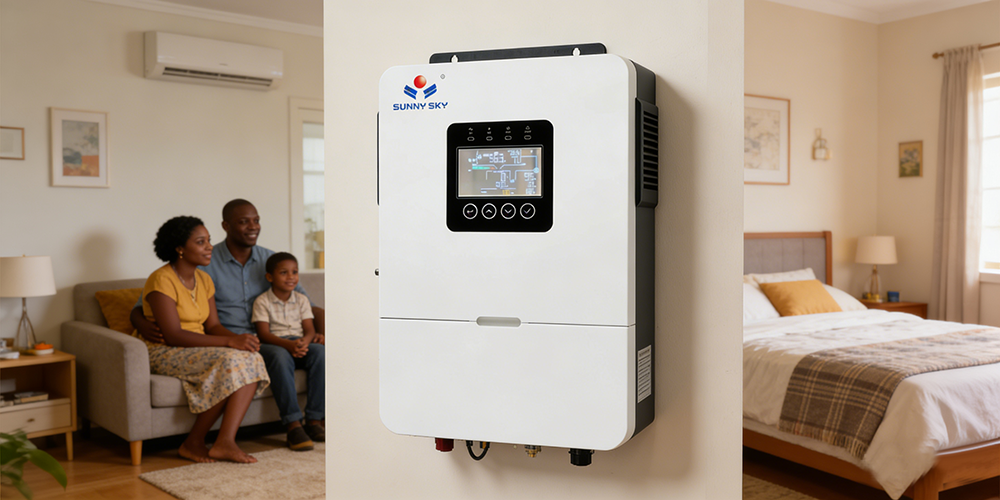
In the evolving landscape of renewable energy, the hybrid solar inverter stands out as a pivotal technology for efficient power management. This device integrates solar power generation, battery storage, and grid connectivity into a single, versatile unit, making it essential for modern energy systems. At Guangzhou Tianyuan Solar Equipment CO.,LTD, under our SUNNYSKY brand, we specialize in developing such innovative solutions with independent R&D and patented technologies that have reached over 50 countries. Our commitment to stability, performance, and design ensures that products like our 12KW hybrid solar inverter deliver reliable, innovative green energy to reduce energy consumption and carbon emissions.
Key Benefits of Hybrid Inverters
The hybrid inverter benefits are numerous, particularly for users seeking energy independence and cost savings. Unlike traditional setups, a hybrid inverter allows seamless switching between solar, battery, and grid power sources, optimizing energy use during peak hours and providing backup during outages. This technology enables peak shaving, where excess solar energy is stored in batteries rather than sold back to the grid at low rates, directly lowering electricity bills. Moreover, hybrid inverter technology incorporates advanced MPPT (Maximum Power Point Tracking) algorithms to maximize solar panel efficiency, even under varying weather conditions. For instance, our SUNNYSKY 12KW model features an integrated LCD display for real-time monitoring of power flow, battery status, and load conditions, ensuring users maintain full control over their energy ecosystem. This not only enhances reliability but also supports long-term sustainability by minimizing energy waste.
Comparing Hybrid Inverter vs. Solar Inverter
A common question is the difference between a hybrid inverter vs. solar inverter. While a standard solar inverter converts DC power from panels to AC for immediate use or grid feed-in, it lacks battery integration, limiting its flexibility. In contrast, the hybrid solar inverter excels in off-grid and hybrid scenarios, allowing stored energy deployment when solar input is low. This makes it ideal for residential and light commercial applications where uninterrupted power is crucial. Our SUNNYSKY unit, with its clean matte white shell and intuitive black control interface, embodies this superiority through practical engineering like side ventilation for optimal thermal management. Stability is key in high-capacity systems, and our patented designs ensure consistent performance, outperforming basic solar inverters in efficiency and durability.
Top Rated Hybrid Solar Inverters and Reviews
When exploring top rated hybrid solar inverters, factors like power output, efficiency, and user feedback are paramount. Hybrid solar inverter reviews often highlight the SUNNYSKY 12KW model's sleek, architectural design and ease of integration, praising its ability to handle demanding loads without compromise. Users appreciate the premium minimal look that fits contemporary spaces, combined with professional-grade features such as fast-access settings and organized data presentation on the LCD screen. In comparisons, it ranks highly among the best hybrid solar inverter options due to its energy intelligence—coordinating solar generation, storage, and grid interaction for optimized efficiency. Independent tests confirm its reliability, with low failure rates and high energy yield, making it a favorite for those prioritizing long-term value.
Hybrid Solar Inverter Price and Value Proposition
The hybrid solar inverter price varies based on capacity and features, but investing in quality pays off through reduced operational costs. For our 12KW SUNNYSKY inverter, the pricing reflects advanced capabilities without unnecessary markups, offering competitive value for premium performance. This unit supports solar energy hybrid inverter functions, enabling direct powering of loads, battery charging, and grid synchronization. Customers in over 50 countries have recognized this balance, with feedback emphasizing ROI through lower utility bills and enhanced system resilience. Located just 20 minutes from Guangzhou Baiyun International Airport, we invite global clients to visit our factory for a firsthand look, complete with complimentary pickup.
Installing a Hybrid Solar Inverter
Installing hybrid solar inverter systems requires careful planning to ensure safety and efficiency. Begin by assessing site conditions, such as sunlight exposure and electrical load requirements, then select a unit like our 12KW model for its installation-friendly design with softly rounded corners and straightforward mounting. Professional installation involves connecting solar panels, batteries, and the grid via the inverter's ports, followed by configuration through the intuitive button layout. Our hybrid inverter technology simplifies this process with built-in diagnostics and user-friendly interfaces, minimizing downtime. Post-installation, the system's digital monitoring allows ongoing optimization, making it a smart choice for energy-conscious users aiming for a greener lifestyle.