Understanding the Hybrid Solar Inverter
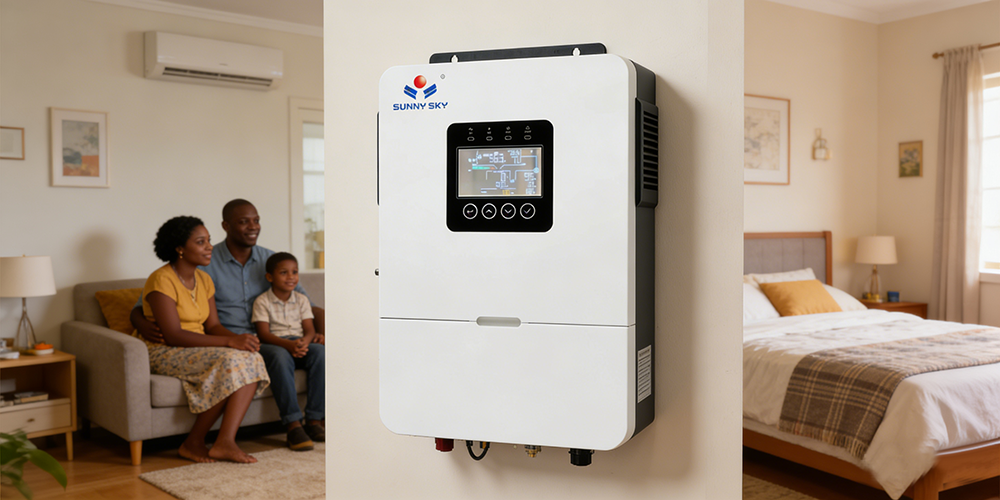
A hybrid solar inverter represents a pivotal advancement in renewable energy systems, seamlessly integrating solar power generation with battery storage and grid connectivity. At its core, this device converts direct current (DC) from solar panels into alternating current (AC) for household or commercial use, while also managing energy flow from multiple sources. For those exploring sustainable energy solutions, the hybrid solar inverter stands out for its ability to optimize power usage, ensuring efficiency during peak solar hours and reliable backup when sunlight is unavailable. Guangzhou Tianyuan Solar Equipment CO.,LTD, through its SUNNYSKY brand, exemplifies this technology with a 12KW model that combines cutting-edge performance with elegant design, reaching customers in over 50 countries thanks to patented innovations and a commitment to reliability.
Key Benefits of Hybrid Inverter Technology
The hybrid inverter benefits extend far beyond basic power conversion, offering enhanced energy independence and cost savings. One primary advantage is the intelligent energy management that prioritizes solar power, stores excess in batteries, and seamlessly switches to grid power only when necessary. This reduces electricity bills and minimizes reliance on fossil fuels, aligning with global sustainability goals. In technical terms, these inverters employ advanced MPPT (Maximum Power Point Tracking) algorithms to maximize solar panel efficiency, often achieving up to 98% conversion rates. Additionally, during outages, the built-in battery integration provides uninterrupted power, safeguarding critical loads like appliances and systems. SUNNYSKY's hybrid inverter technology incorporates real-time monitoring via an integrated LCD display, allowing users to track performance metrics such as voltage, current, and state of charge, which enhances system longevity and operational precision.
Comparing Hybrid Inverter vs. Solar Inverter
When evaluating hybrid inverter vs. solar inverter, the distinction lies in versatility and functionality. A traditional solar inverter handles only DC-to-AC conversion from panels, lacking native support for battery storage or grid interaction. In contrast, a hybrid solar inverter acts as a multifunctional unit, capable of operating in grid-tied, off-grid, or hybrid modes. This adaptability is crucial for modern installations where energy demands fluctuate. For instance, in a grid-tied setup, the hybrid model can feed surplus power back to the utility, earning credits, while in off-grid scenarios, it ensures stable output through battery discharge control. SUNNYSKY's 12KW hybrid solar inverter exemplifies this with its robust thermal management via side ventilation, maintaining efficiency even under high loads up to 12,000 watts, outperforming standard solar inverters in dynamic environments.
Selecting the Best Hybrid Solar Inverter
Choosing the best hybrid solar inverter involves assessing capacity, efficiency, and compatibility with existing systems. Top-rated hybrid solar inverters prioritize features like high surge capacity, low harmonic distortion, and user-friendly interfaces. Reviews often highlight models with intuitive controls and durable builds, such as SUNNYSKY's offering, praised for its minimalist white housing and black control panel that integrates seamlessly into smart homes. Hybrid solar inverter reviews emphasize the importance of surge protection and anti-islanding features for safety. When considering the hybrid solar inverter price, factors like warranty length—typically 5-10 years—and energy yield per dollar invested are key. SUNNYSKY delivers value with its patented R&D, ensuring stability and performance that justify the investment, often competitive at around $2,000-$3,000 for a 12KW unit depending on configuration.
Installing a Hybrid Solar Inverter
Installing hybrid solar inverter requires careful planning to maximize system efficacy. Begin with site assessment to ensure adequate sunlight exposure and proximity to panels and batteries. Professional installation is recommended, involving mounting the unit in a well-ventilated area to prevent overheating, followed by wiring solar inputs, battery connections, and AC outputs. Calibration of the inverter's settings, such as charge priorities and load thresholds, is essential for optimal operation. For SUNNYSKY's solar energy hybrid inverter, the process benefits from its plug-and-play design elements, including touch-button controls for easy setup. Post-installation, monitoring via the LCD ensures everything functions as intended, with remote diagnostics available through app integration in advanced models. This step-by-step approach not only complies with electrical codes but also unlocks the full potential of hybrid systems for long-term energy savings.
Top Rated Hybrid Solar Inverters and Future Outlook
Among top rated hybrid solar inverters, SUNNYSKY's 12KW model shines for its blend of power, aesthetics, and intelligence, supporting diverse applications from residential villas to commercial setups. Its curved design and seamless panels convey a modern sensibility while housing sophisticated circuitry for precise energy flow. Looking ahead, hybrid inverter technology continues to evolve with AI-driven optimizations and higher efficiencies, promising even greater integration with smart grids. By choosing products from innovators like Guangzhou Tianyuan Solar Equipment CO.,LTD, users gain access to reliable green energy solutions that reduce carbon footprints and enhance resilience, all backed by a brand dedicated to continuous R&D and global accessibility.