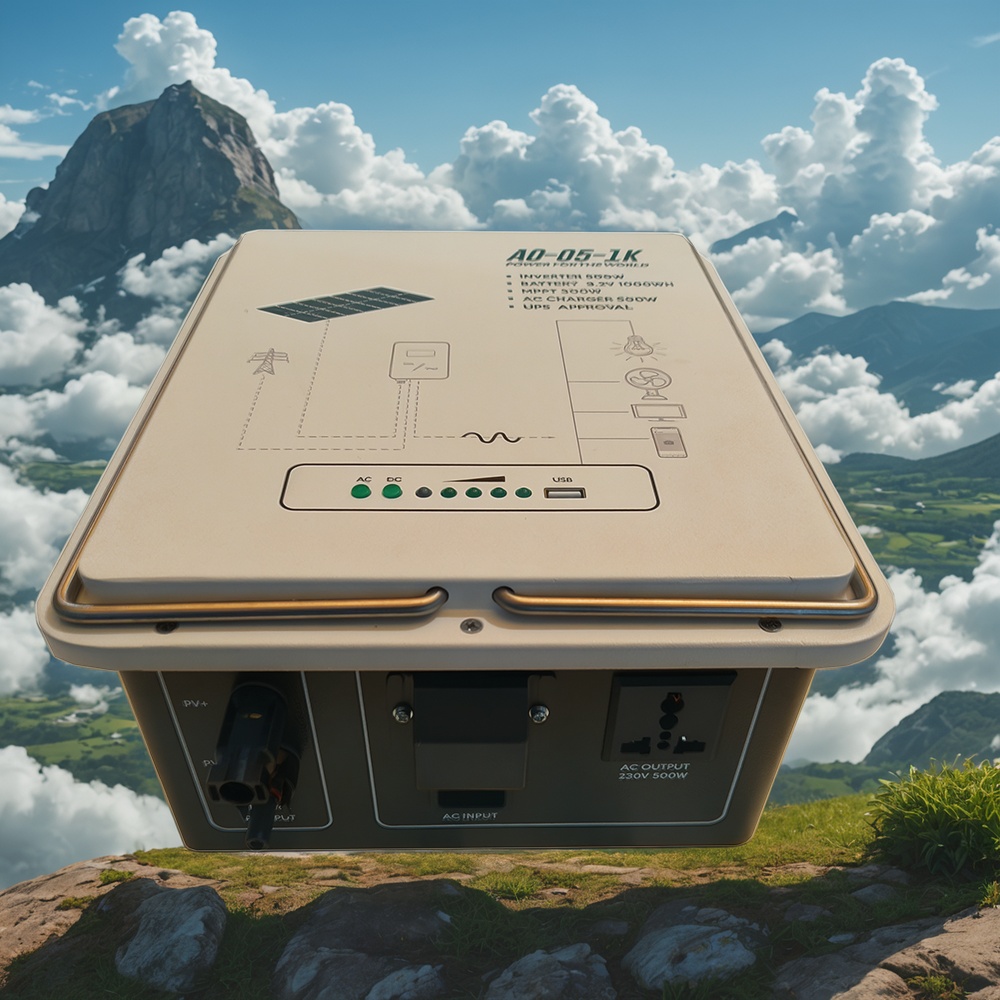
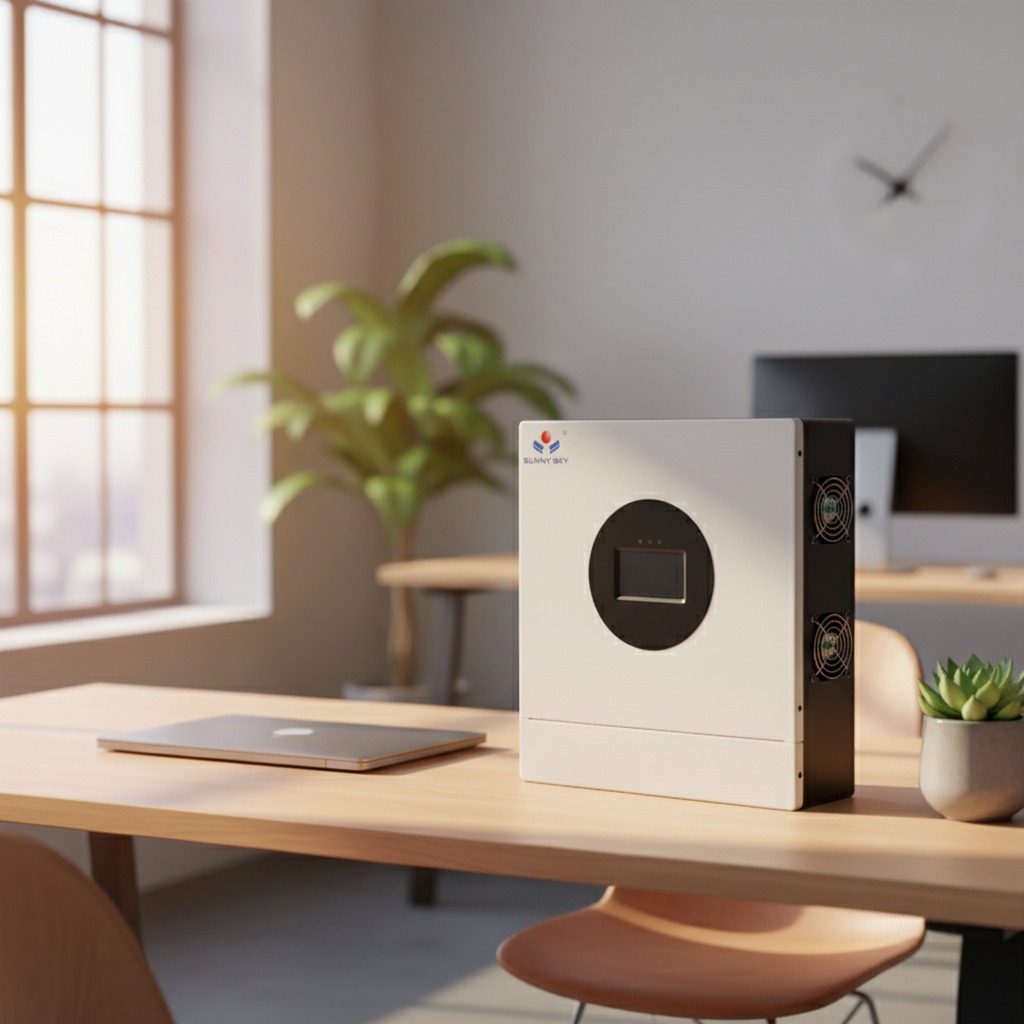
Are you tired of unpredictable electricity bills and the frustration of power outages disrupting your daily life? For many homeowners and businesses, dependency on a traditional power grid means a lack of control and rising costs. The search for a more reliable, cost-effective, and sustainable energy source can feel overwhelming. This is where a modern hybrid inverter steps in, offering a powerful solution to today's energy challenges by putting the control of your power generation and consumption directly into your hands.
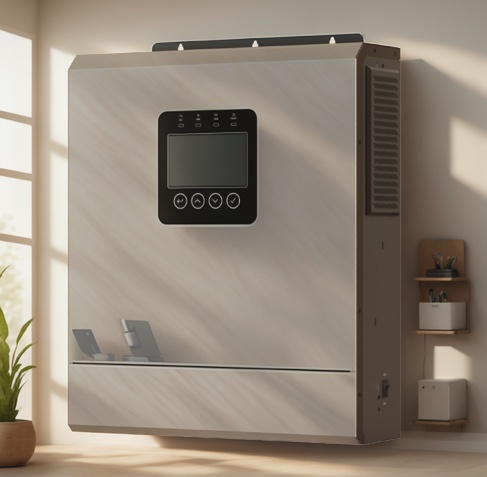
A hybrid solar inverter is the intelligent heart of a modern renewable energy setup. Unlike traditional inverters that simply convert DC power from solar panels to usable AC power for your home, a hybrid model does much more. It's an all-in-one power management hub that intelligently directs energy from solar panels, a battery bank, and the electrical grid. During the day, it powers your home with solar energy, sending any excess to charge your batteries. This stored energy can then be used at night or during a grid failure, making it the cornerstone of effective hybrid inverter systems. This seamless integration ensures you always have the most efficient and affordable power source available.
The primary benefit of this advanced hybrid inverter technology is the path it provides to energy independence. By pairing your solar panels with a battery, you can store the sun's energy for whenever you need it, significantly reducing your reliance on the utility company. This is particularly crucial for creating a robust backup system during blackouts. For those in remote locations, an off grid hybrid inverter can provide consistent, reliable power where a grid connection is impossible. Furthermore, this stored energy allows you to avoid peak-hour electricity rates, leading to substantial long-term savings on your energy bills and providing a buffer against future price hikes.
Choosing the right unit is key to maximizing your investment. To find the best hybrid inverter, you should consider several factors, including your household's energy consumption. A robust 6KW capacity, for instance, is perfect for powering multiple appliances in both residential and commercial settings. Look for models with an intuitive display interface that provides real-time data monitoring of battery levels and energy flow. Modern advancements also include smart features like remote monitoring through a smartphone app, giving you complete control from anywhere. Before making a decision, it's wise to read hybrid inverter reviews and select products from reputable hybrid inverter manufacturers known for quality and durability.
While the concept is straightforward, a professional hybrid inverter installation is crucial for safety and optimal performance. Certified installers will ensure that all components—the inverter, solar panels, and batteries—are correctly wired and configured to work together seamlessly. They will also handle the necessary connections to your home's main electrical panel and, if applicable, the grid. A proper installation ensures your system runs efficiently, is compliant with local regulations, and will provide reliable power for years to come. Investing in a professionally installed solar hybrid inverter is investing in a durable and sophisticated solution for your energy future.
What is a Hybrid Inverter and How Does It Work?
A hybrid solar inverter is the intelligent heart of a modern renewable energy setup. Unlike traditional inverters that simply convert DC power from solar panels to usable AC power for your home, a hybrid model does much more. It's an all-in-one power management hub that intelligently directs energy from solar panels, a battery bank, and the electrical grid. During the day, it powers your home with solar energy, sending any excess to charge your batteries. This stored energy can then be used at night or during a grid failure, making it the cornerstone of effective hybrid inverter systems. This seamless integration ensures you always have the most efficient and affordable power source available.
Unlocking Energy Independence and Savings
The primary benefit of this advanced hybrid inverter technology is the path it provides to energy independence. By pairing your solar panels with a battery, you can store the sun's energy for whenever you need it, significantly reducing your reliance on the utility company. This is particularly crucial for creating a robust backup system during blackouts. For those in remote locations, an off grid hybrid inverter can provide consistent, reliable power where a grid connection is impossible. Furthermore, this stored energy allows you to avoid peak-hour electricity rates, leading to substantial long-term savings on your energy bills and providing a buffer against future price hikes.
Finding the Best Hybrid Inverter for Your Needs
Choosing the right unit is key to maximizing your investment. To find the best hybrid inverter, you should consider several factors, including your household's energy consumption. A robust 6KW capacity, for instance, is perfect for powering multiple appliances in both residential and commercial settings. Look for models with an intuitive display interface that provides real-time data monitoring of battery levels and energy flow. Modern advancements also include smart features like remote monitoring through a smartphone app, giving you complete control from anywhere. Before making a decision, it's wise to read hybrid inverter reviews and select products from reputable hybrid inverter manufacturers known for quality and durability.
What to Expect from Hybrid Inverter Installation
While the concept is straightforward, a professional hybrid inverter installation is crucial for safety and optimal performance. Certified installers will ensure that all components—the inverter, solar panels, and batteries—are correctly wired and configured to work together seamlessly. They will also handle the necessary connections to your home's main electrical panel and, if applicable, the grid. A proper installation ensures your system runs efficiently, is compliant with local regulations, and will provide reliable power for years to come. Investing in a professionally installed solar hybrid inverter is investing in a durable and sophisticated solution for your energy future.