Understanding Hybrid Solar Inverters vs. Traditional Solar Inverters
In the evolving world of renewable energy, the hybrid solar inverter stands out as a versatile solution for modern energy needs. Unlike traditional solar inverters that solely convert DC power from solar panels to AC for immediate use, hybrid solar inverters integrate battery storage and grid compatibility, offering a more flexible approach to energy management. This comparison highlights how hybrid solar inverter+ technology bridges the gap between on-grid reliability and off-grid independence, making it a compelling choice for homeowners and businesses alike.
Key Advantages of Hybrid Inverters Over Conventional Models
When comparing hybrid inverter advantages to those of standard solar panel inverters, the differences become clear. Traditional solar inverters excel in straightforward grid-tied systems, efficiently powering homes during daylight hours but faltering during outages or at night without additional setups. In contrast, the best hybrid solar inverter, like the innovative Sunny Sky 6KW model, combines solar input with battery storage, ensuring uninterrupted power supply. This renewable energy inverter not only maximizes daytime solar generation but also stores excess energy for later use, reducing reliance on the grid and lowering utility bills. The hybrid inverter price might seem higher upfront—typically ranging from $1,500 to $3,000 depending on capacity—but the long-term savings through energy optimization often outweigh the initial investment, especially when contrasted with the ongoing costs of separate battery systems required for traditional setups.
Solar Inverter Technology: Hybrid vs. Off-Grid Options
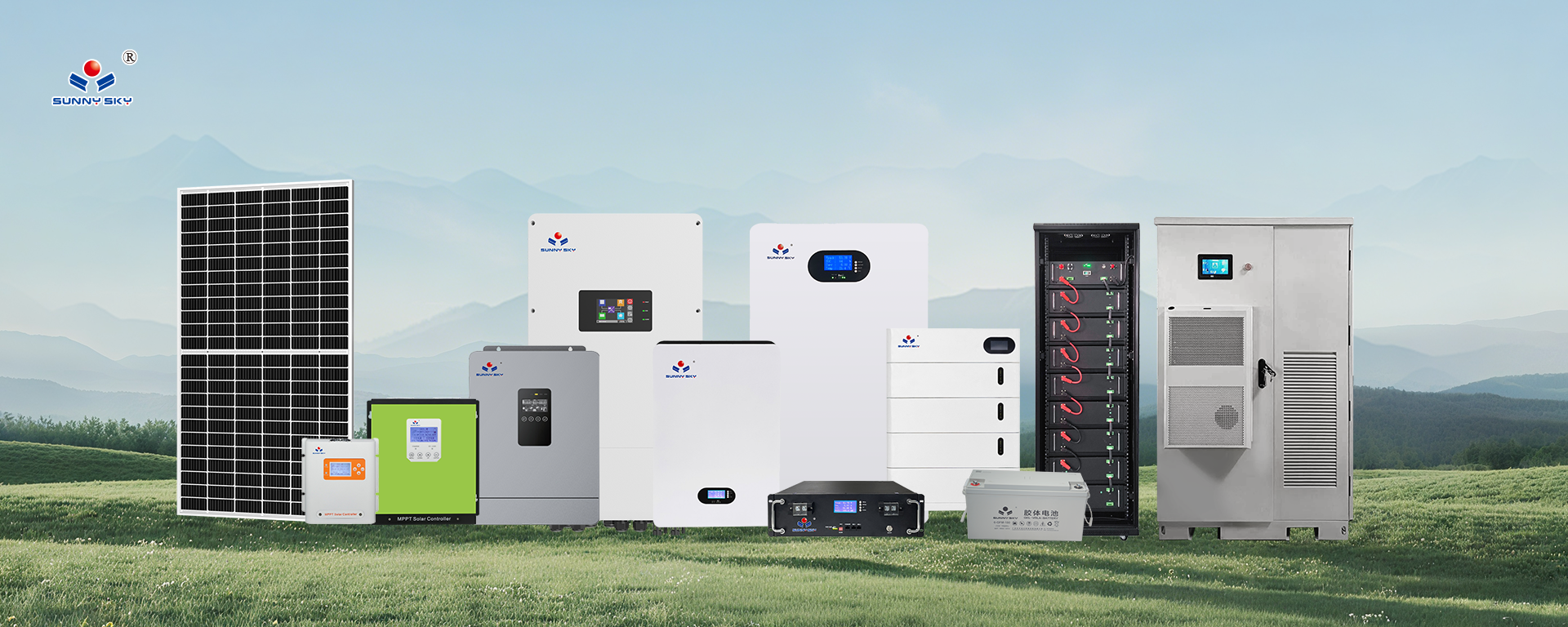
Delving into solar inverter technology, hybrid systems shine in their adaptability compared to purely off-grid hybrid inverters. Off-grid models are designed for remote locations, relying heavily on large inverter battery storage to sustain power without any grid backup, which can lead to higher complexity and maintenance. A hybrid solar system, however, intelligently switches between solar, battery, and grid sources, providing seamless operation. For instance, the Sunny Sky 6KW Hybrid Solar Inverter features an intuitive digital display for real-time monitoring of voltage, current, and consumption, paired with touch-sensitive controls for effortless adjustments. This contrasts with off-grid inverters that often require manual interventions and oversized batteries to handle variable loads. In residential settings, the hybrid approach offers superior efficiency, capturing up to 98% of solar energy versus the 90-95% typical of off-grid counterparts, while its sleek, minimalist design integrates aesthetically into any space, unlike bulkier off-grid units.
Cost and Efficiency: Weighing Hybrid Inverter Price Against Benefits
A closer look at hybrid inverter price reveals a stark contrast to the total cost of ownership for non-hybrid systems. While a basic solar panel inverter might cost under $1,000, adding battery storage separately can double or triple expenses, not to mention installation hassles. Hybrid inverters streamline this by bundling everything into one unit, with the Sunny Sky model's 6KW capacity handling significant loads for both homes and small commercial applications. Energy efficiency is another battleground: hybrid models reduce energy waste by prioritizing solar and stored power over grid draws, potentially cutting electricity costs by 50-70% in sunny regions. In comparison, traditional systems often export excess solar to the grid at low rates, yielding minimal returns. The robust build of hybrid inverters, including advanced MPPT tracking, ensures longevity—up to 10-15 years—outpacing the shorter lifespans of mismatched off-grid components.
Future-Proofing with Hybrid Solar Systems
Looking ahead, the hybrid solar inverter+ represents a forward-thinking choice over legacy technologies. As renewable energy inverter adoption grows, hybrids facilitate easier expansion, such as adding more panels or batteries without overhauling the system. This scalability contrasts with rigid traditional inverters that limit upgrades. For eco-conscious users, the environmental edge is undeniable: by optimizing a hybrid solar system, users minimize fossil fuel dependency, aligning with global sustainability goals. The Sunny Sky inverter's engineering emphasizes this, with its quality logo symbolizing innovation and reliability. Ultimately, while traditional inverters suit basic needs, the multifaceted benefits of hybrid solutions— from enhanced control via digital interfaces to resilient power during blackouts—position them as the superior, future-proof option in the solar landscape.