Unlocking the Power of Hybrid Solar Inverters: Your Path to Sustainable Energy
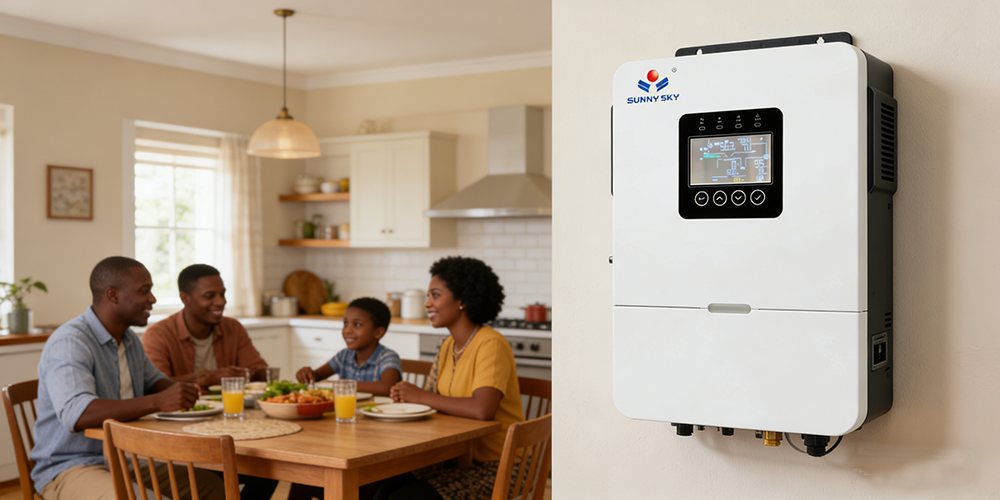
In today's world, where energy costs are rising and environmental concerns are at an all-time high, many homeowners and businesses face the challenge of unreliable power supplies and high electricity bills. The hybrid solar inverter emerges as a game-changing solution, addressing these issues by efficiently integrating solar energy with traditional grid power and battery storage. At Guangzhou Tianyuan Solar Equipment CO.,LTD, our SUNNYSKY brand has pioneered this technology, reaching over 50 countries with patented innovations that ensure stability and performance. This article explores the problems associated with conventional energy systems and how a hybrid solar inverter, like our Sunny Sky models, provides a reliable, eco-friendly fix.
The Problem: Inconsistent Power and Wasted Solar Potential
One major issue with traditional solar setups is their dependency on grid-tied solar inverters, which falter during outages, leaving users in the dark. Off-grid solar systems often lack seamless integration, leading to inefficient energy use and the need for oversized batteries that drive up costs. Solar energy solutions promise sustainability, but without proper solar inverter technology, much of the harvested photovoltaic power goes to waste, especially at night or on cloudy days. Renewable energy devices like basic panels alone can't manage fluctuating inputs, resulting in reduced energy efficiency products and higher reliance on fossil fuels. Homeowners struggle with solar power management, facing blackouts and escalating bills, while businesses lose productivity due to power disruptions.
The Solution: Advanced Hybrid Solar Inverter Technology from SUNNYSKY
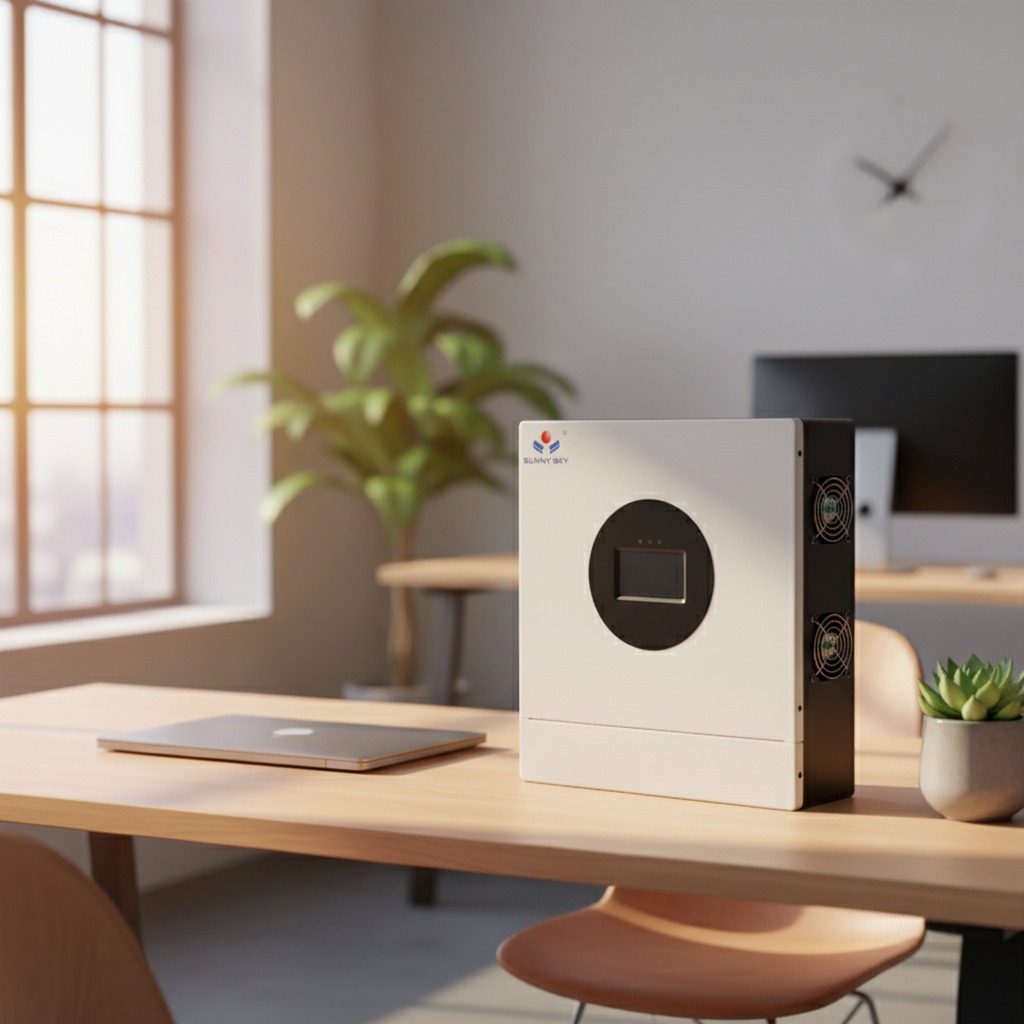
Enter the Sunny Sky Hybrid Inverter, a pinnacle of solar inverter technology designed to solve these pain points. This state-of-the-art device seamlessly blends grid-tied solar inverters with battery storage systems, ensuring uninterrupted power even during outages. Our 12KW model, for instance, features a sleek, wall-mounted design with an intuitive touchscreen and LCD display for real-time monitoring of photovoltaic inverter performance. By optimizing solar energy solutions, it maximizes output from your panels, intelligently directing excess power to batteries for later use. This hybrid approach in off-grid solar systems prevents energy waste, supports diverse input voltages, and enhances overall solar power management. With SUNNYSKY's commitment to innovation—backed by independent R&D and patented tech—users enjoy robust, low-maintenance renewable energy devices that reduce carbon emissions and energy consumption by up to 70%.
Why Choose SUNNYSKY for Your Energy Efficiency Products?
Guangzhou Tianyuan Solar Equipment CO.,LTD stands out with our dedication to delivering reliable, innovative green energy. Located just 20 minutes from Guangzhou Baiyun International Airport, we welcome global clients with complimentary pickups to tour our state-of-the-art facility. The Sunny Sky 12KW Hybrid Solar Inverter not only tackles the limitations of traditional systems but also fits effortlessly into residential or commercial spaces, offering a compact, stylish form factor. Its advanced digital interface allows effortless adjustments, making solar power management accessible to all. Whether transitioning to full off-grid solar systems or enhancing existing setups, this photovoltaic inverter ensures energy efficiency products that align with modern sustainability goals. Customers praise its durability and performance, which extend product lifecycle and minimize downtime.
Real-World Benefits and Implementation Tips
Implementing a hybrid solar inverter like Sunny Sky transforms daily energy use. For instance, in grid-tied solar inverters scenarios, it automatically switches to battery mode during peaks, slashing utility costs. Paired with battery storage systems, it provides backup for critical appliances, solving outage woes. To get started, assess your energy needs—our experts recommend a 12KW unit for medium-sized homes producing 48V output efficiently. Installation is straightforward, with wall-mounting options that save space. SUNNYSKY's focus on user-friendly design means no technical expertise is required; simply connect your panels, batteries, and grid for optimized solar energy solutions. Experience the peace of mind from reliable renewable energy devices that not only lower bills but also contribute to a greener planet. Join thousands worldwide who've empowered their lives with our cutting-edge technology—contact us today to revolutionize your energy future.